
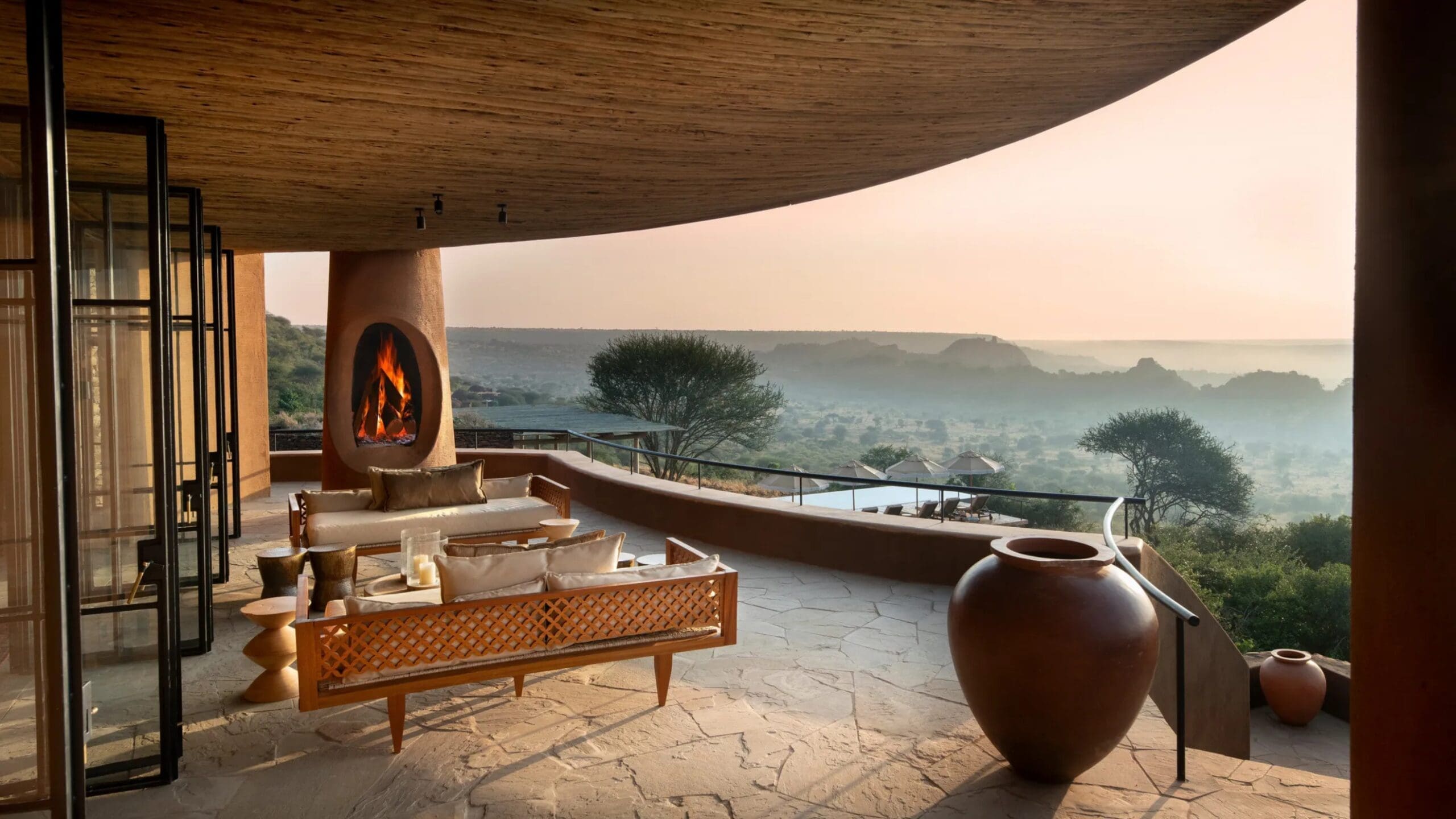
A new generation of safari stays is arriving across Africa – more private, more design-led, and more closely tied to the landscapes around them.
The week Sir David Attenborough turned 100 felt like a fitting moment to think about safari. Few people have done more to shape the way we look at the natural world – not as scenery, not as spectacle, but as something intricate, fragile, and profoundly alive. His centenary was marked around the world, with tributes celebrating a life spent bringing wild places into people’s homes and making conservation feel urgent, intimate, and impossible to ignore.
Safari, at its best, still has that same ability to change the way people look at things. It asks you to slow down and pay attention.
What feels particularly exciting now is how the safari world itself is evolving. The most compelling new lodges are not simply offering bigger suites, better pools, or more polished service. They are thinking harder about where they sit, how they are built, who they support, and how guests move through the landscape. There is more architectural restraint, more emphasis on private conservancies and lesser-visited regions, and a growing sense that the best safari experiences are not always the busiest or most famous.
Across Tanzania, Kenya, Botswana, and Zambia, a handful of new openings and launches point towards this next chapter. Some come from long-established safari names pushing into new territory; others from luxury hotel brands entering the wilderness with a more refined, design-conscious eye. What unites them is a shared interest in place – not just the wildlife you come to see, but the ecosystem, communities, materials, rhythms, and stories that shape the experience around it.
These are the new African safari lodges and launches to know now.
Auberge Safari, Tanzania
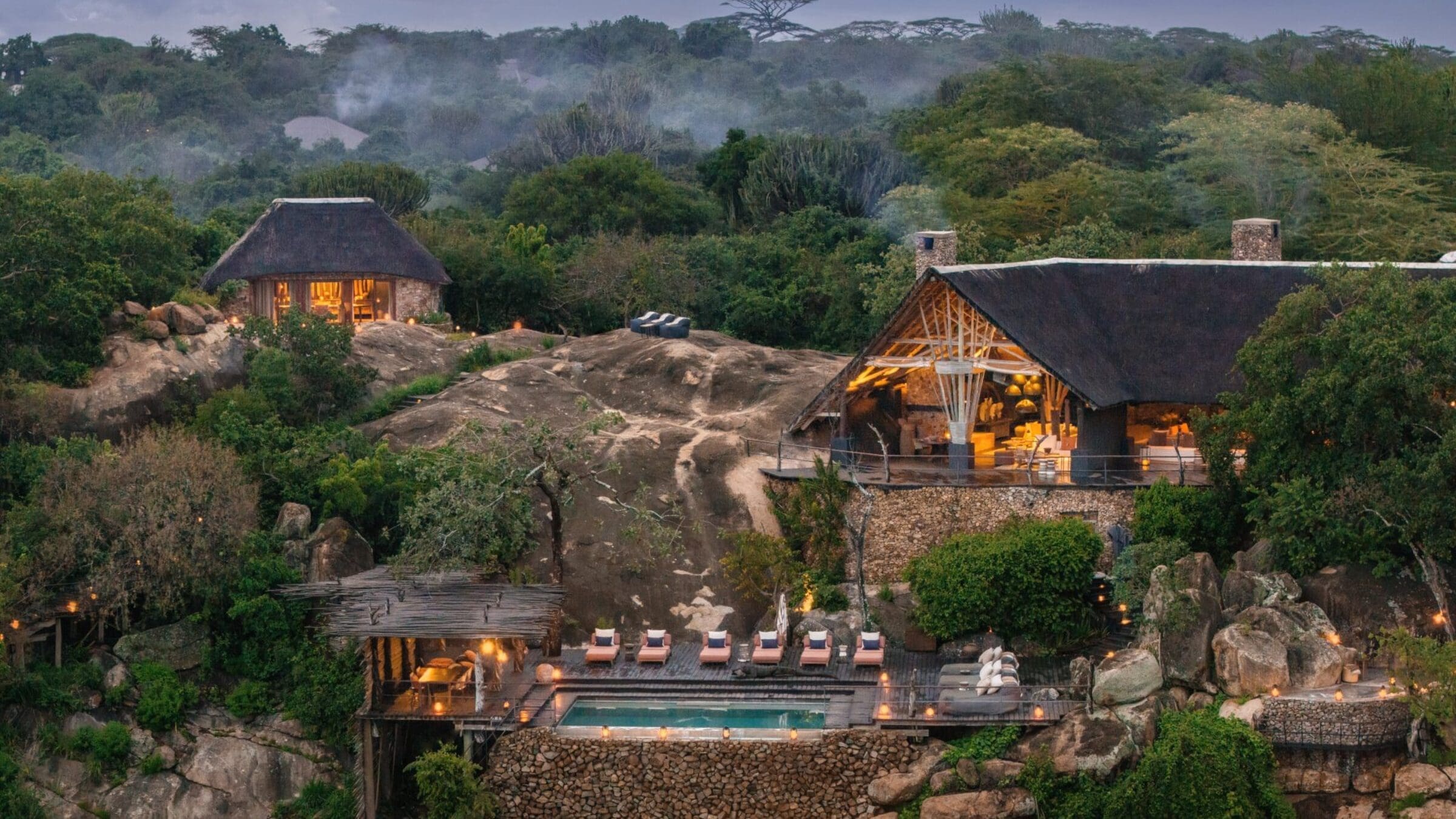
Rather than opening a single new lodge, Auberge Collection has made a far more ambitious move into safari. In 2026, the brand announced Auberge Safari – its first venture into Africa – bringing together nine existing camps and lodges across Tanzania in partnership with Legendary Expeditions and Chem Chem Safari.
For those less familiar with Auberge, the brand has become known for some of the world’s most design-conscious luxury hotels and resorts, from Chileno Bay in Los Cabos and Susurros del Corazón in Punta de Mita to Domaine des Étangs in France and The Lodge at Blue Sky in Utah. The common thread has always been deeply place-led hospitality – hotels that feel connected to their landscapes rather than imposed upon them. Safari feels like a surprisingly natural next step.
The new Tanzania collection spans the Serengeti, Lake Manyara, Arusha, and the Greater Mwiba Wildlife Reserve, allowing guests to move between dramatically different ecosystems and styles of safari within one more connected journey. Importantly, Chem Chem remains independently owned, with its Slow Safari philosophy and long-standing conservation work continuing beneath the wider Auberge Safari umbrella.
More than anything, the launch signals something larger happening across the safari world: major luxury brands entering Africa more thoughtfully, aligning themselves with operators already deeply rooted in the landscapes, communities, and conservation work surrounding them.
andBeyond Suyian Lodge, Kenya
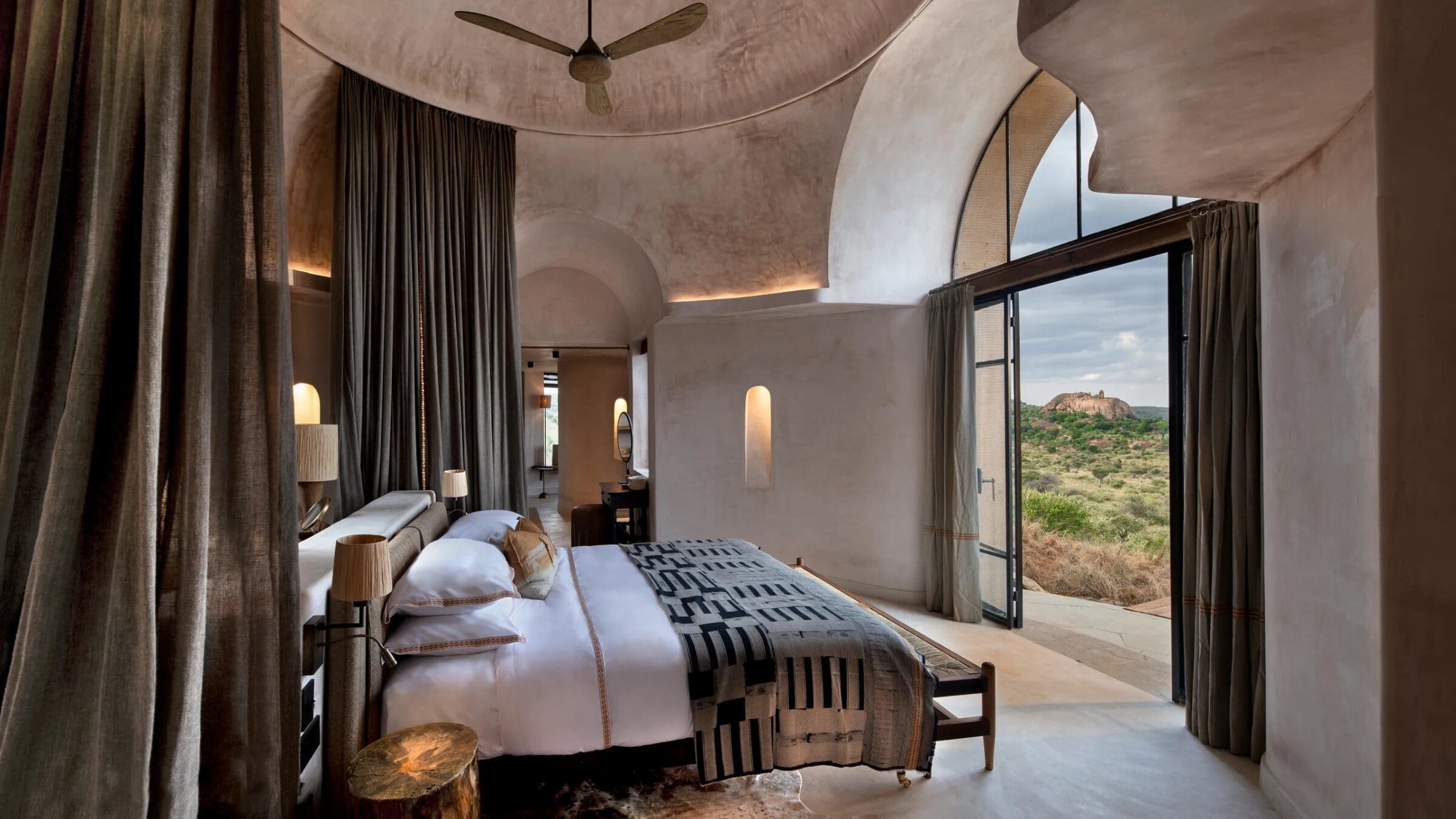
Opened in Kenya’s Laikipia region in 2025, andBeyond Suyian Lodge feels like part of a broader shift happening across safari right now – away from larger, more traditional lodge experiences and towards something quieter, more architectural, and far more connected to the landscape itself.
Set within the 44,000-acre Suyian Conservancy, the lodge sits amongst granite outcrops, ancient valleys, and vast open plains that feel dramatically different from the softer, greener rhythms of the Maasai Mara. Laikipia has long appealed to travellers looking for a wilder, less predictable kind of safari, where days unfold more slowly, and wildlife encounters are less choreographed. It’s one of the few places in East Africa where you can still spend hours without seeing another vehicle, while also encountering species rarely spotted elsewhere in Kenya, including Grevy’s zebra, reticulated giraffe, African wild dog, and, for the fortunate few, black leopard.
The architecture is central to the experience. Designed in collaboration with Nicholas Plewman Architects and Michaelis Boyd, the lodge draws heavily from the surrounding geology, with curved stone walls, earthy pigments, hand-finished plaster, weathered timber, and wide openings framing the conservancy beyond. Suites are intentionally understated – private plunge pools, enormous beds facing the landscape, and lavish, outdoor showers.
What makes Suyian particularly compelling is the sense of movement beyond the traditional game drive format. Guests can spend mornings on horseback across the conservancy, walk with Samburu guides, visit conservation projects, or simply sit back and watch elephants moving between the rocks below camp as the light shifts across the valley.
Singita Elela, Botswana
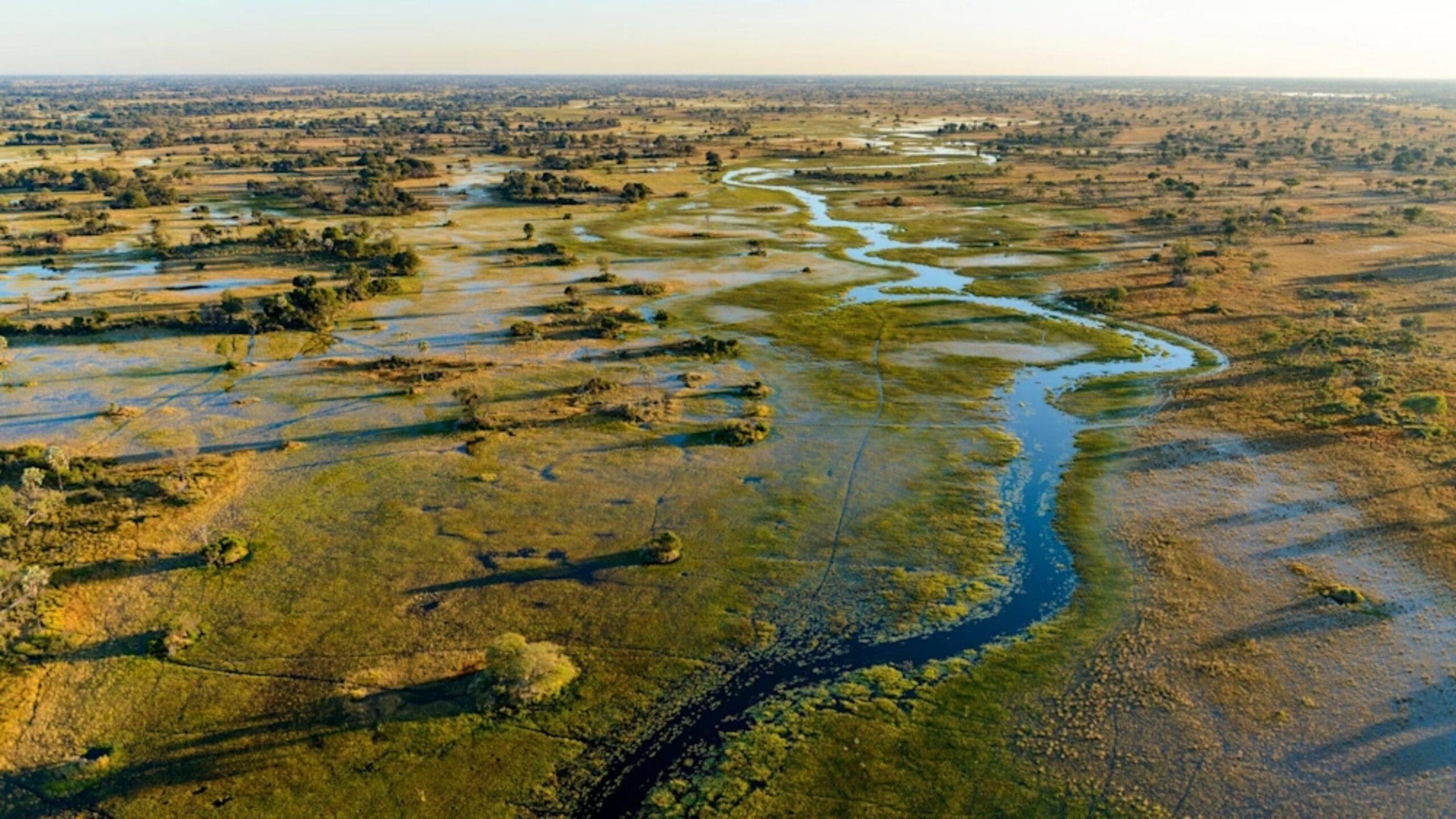
If you’re as passionate about safari as we are, you’ll already know the name Singita. For years, the brand has set the benchmark for conservation-led luxury safari across Africa, building a reputation around extraordinary guiding, deeply private reserves, and lodges that feel inseparable from the landscapes surrounding them. With Singita Elela, opening in Botswana’s Okavango Delta in December 2026, the group appears to be pushing that philosophy even further.
Set within the NG26 concession in the south-western reaches of the Delta, the property has been designed around the movement of water itself – seasonal floodplains, reed-lined channels, palm islands, and lagoons that shift constantly throughout the year. The name Elela, meaning “to flow” in Setswana, feels woven into the entire concept.
Rather than operating as one centralised lodge, Elela will consist of eight individual camps positioned above the wetlands on raised structures, each operating almost like its own standalone safari residence. Every camp comes with dedicated guides and private vehicles, allowing days to unfold entirely around the pace of the guest and the landscape itself.
Anantara Kafue River Tented Camp, Zambia
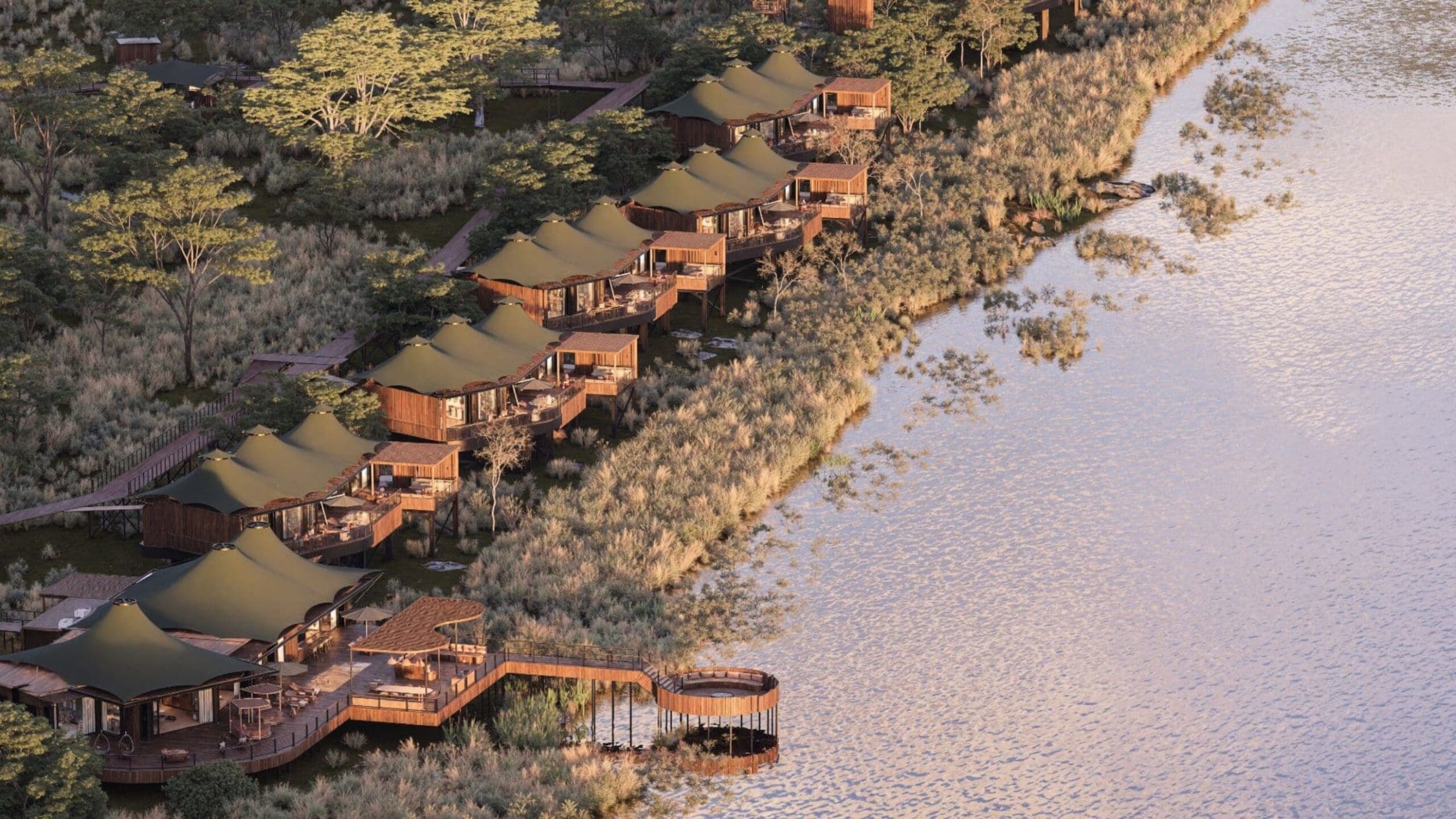
Opening in 2026 within Kafue National Park – one of the largest protected areas in Africa – Anantara Kafue River Tented Camp sits directly above the Kafue River, elevated on timber structures designed to leave the surrounding floodplain largely untouched. With just a small number of tented suites spread along the riverbank, the atmosphere is intentionally low-density.
Unlike many safari destinations built around dramatic wildlife spectacles, Kafue’s appeal lies more in its scale, silence, and unpredictability. The park remains far less visited than many of Africa’s better-known reserves, which gives the experience a stronger sense of discovery. Days here revolve around the river itself – boating through quieter waterways, fishing, birdwatching, and slow game drives across landscapes where wildlife sightings feel earned rather than staged.
The camp’s design leans into a softer, more contemporary vision of safari, with open-air living spaces, natural textures, outdoor bathtubs, and expansive decks overlooking the water. There’s also a stronger wellness element than many traditional safari camps.
Ubuyu, A Banyan Tree Escape, Tanzania
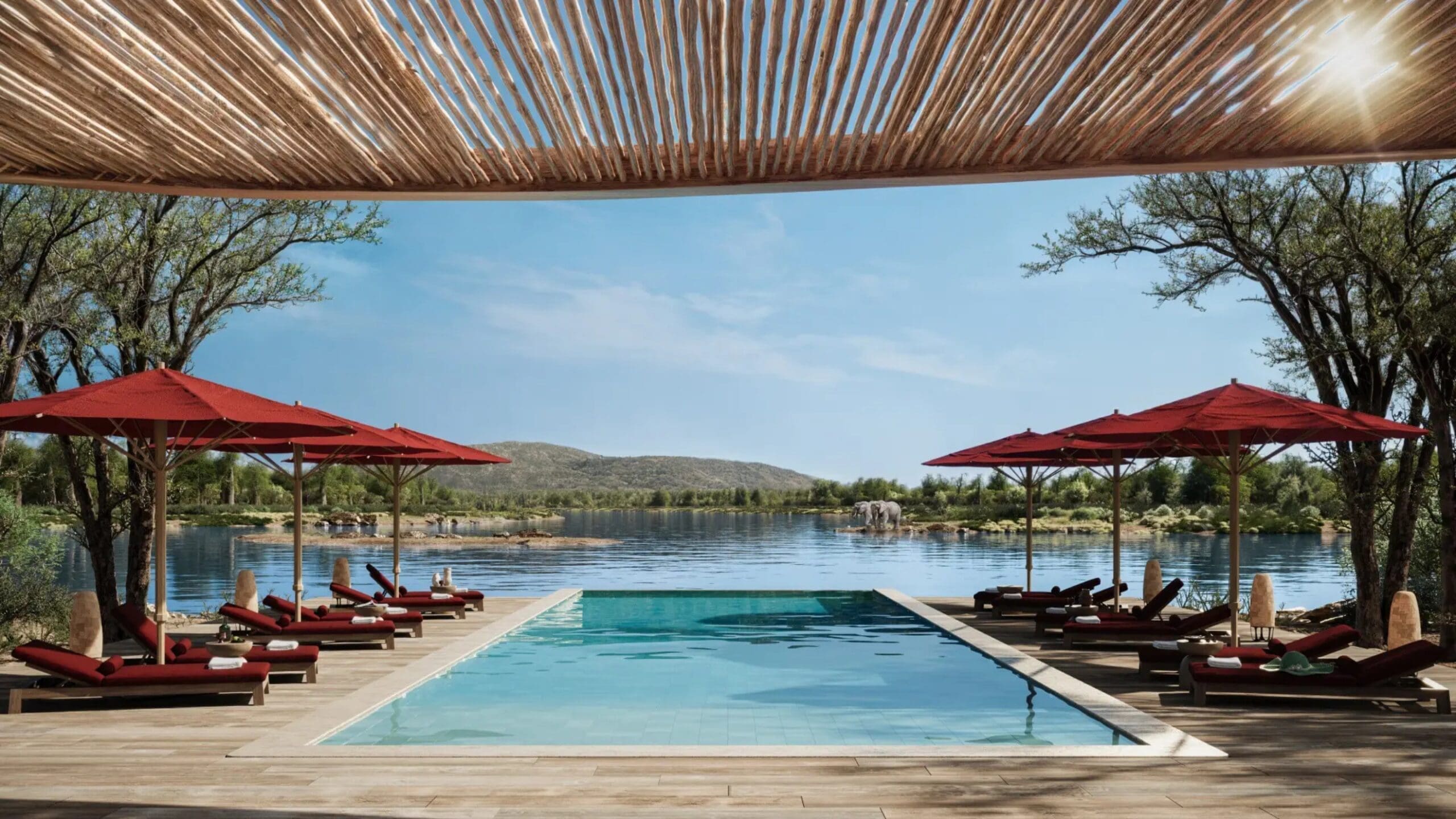
Opening in Ruaha National Park in 2026, Ubuyu marks Banyan Tree’s first safari-focused Escape property in Africa – and one of the more interesting attempts yet to blend safari, wellness, and design-led slow travel into a single experience.
Ruaha remains one of Tanzania’s most extraordinary safari regions, though far quieter than the country’s northern circuit. Baobab trees dominate much of the landscape, the Great Ruaha River cuts through the park like a lifeline, and wildlife densities remain remarkable, particularly for elephant, lion, leopard, and endangered African wild dog. Yet despite its scale and biodiversity, the region still feels comparatively untouched by mainstream tourism.
That sense of stillness appears central to Ubuyu’s design. The villas draw from local building traditions and natural materials, with wide-open layouts intended to dissolve the line between indoors and out. Rather than the darker, more colonial aesthetic many safari lodges still lean towards, the atmosphere here feels lighter, calmer, and more contemporary – soft textures, open views across the river, and spaces designed as much for slowing down as for wildlife viewing.
The experience itself also moves at a gentler pace. Private game drives remain part of the offering, but so do wellness rituals, quieter moments around camp, and long stretches of uninterrupted time within the landscape itself.
A Different Direction For Safari
Taken together, these openings say a great deal about where safari is heading. The emphasis is shifting away from sheer scale and towards something more thoughtful – fewer rooms, stronger conservation stories, architecture that sits more quietly within the landscape, and experiences designed around immersion rather than excess.
Planning a safari across Africa? Get in touch with RASK Travel, and we’ll help design a journey shaped entirely around how you want to experience the wild.


