
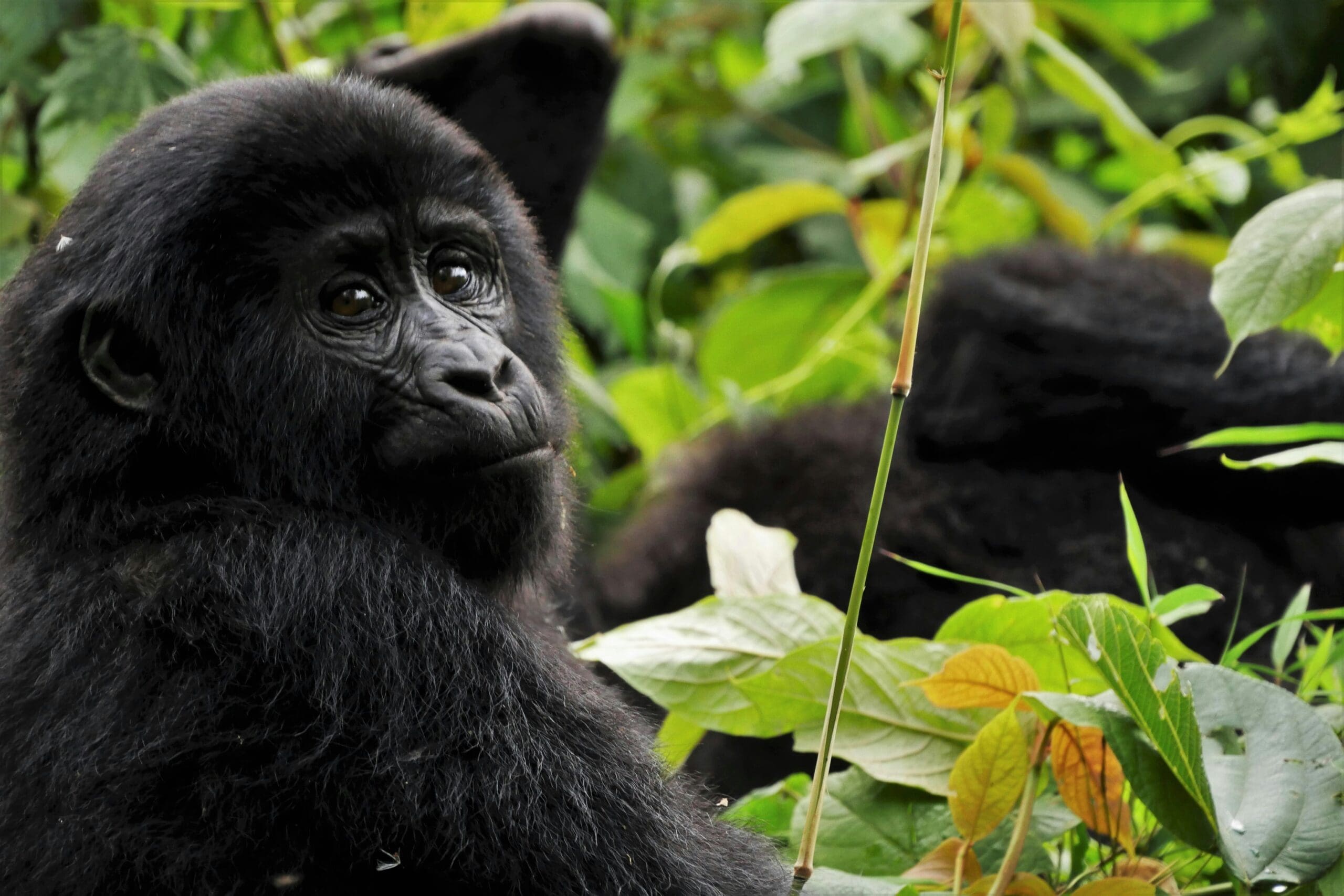
Wildlife exists on a scale that is difficult to comprehend until you experience it first-hand. Mountain gorillas moving through Rwandan rainforest. Blue whales cutting through cold Canadian waters. Marine life drifting across the Great Barrier Reef. Emperor penguins navigating Antarctic ice. Each ecosystem operates with its own rhythm, complexity and fragility.
World Wildlife Day offers an opportunity to reflect not only on the diversity of species across continents, but on how we choose to encounter them. Travel, when approached responsibly, can directly support conservation, protect habitats and strengthen local communities. When approached carelessly, it does the opposite.
At RASK, we favour experiences rooted in protection rather than performance. That means working with lodges, guides and conservation partners who place habitat preservation at the centre of what they do, and choosing properties that actively reinvest in the landscapes and species that surround them.
From equatorial rainforest to polar wilderness, these are some of the most considered wildlife journeys around the world.
Gorilla Trekking in Rwanda & Uganda
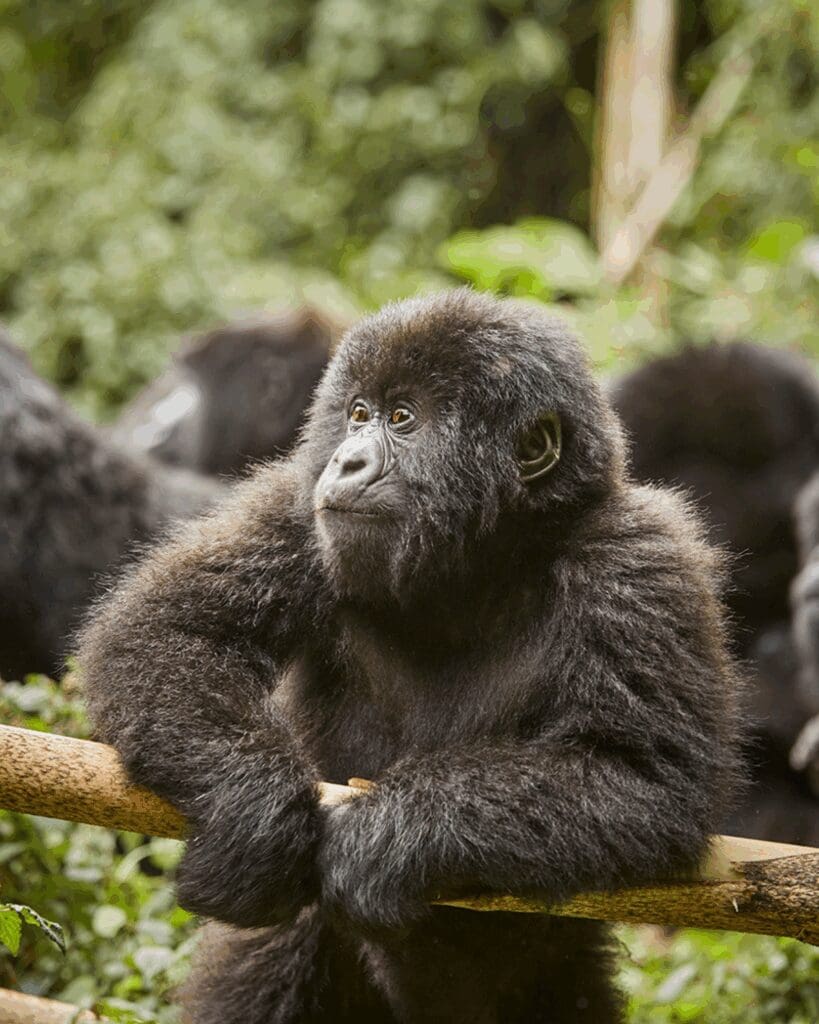
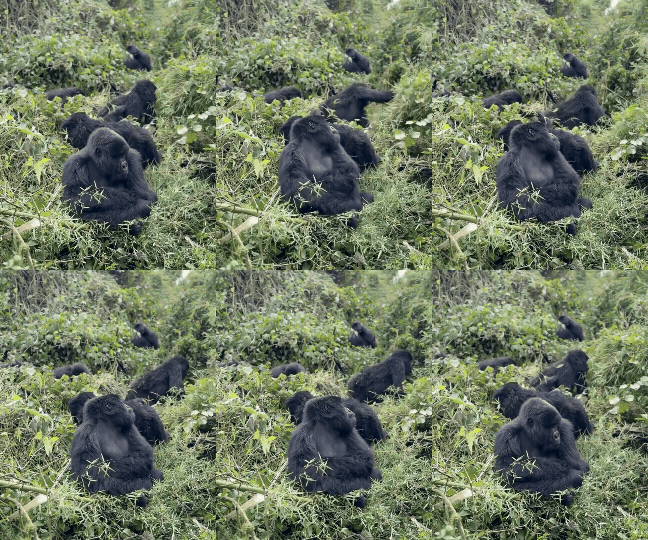
Mountain gorilla trekking is one of the most carefully controlled wildlife experiences in the world, and rightly so. Permits are limited. Groups are small. Time with each habituated family is capped. You trek as far as the forest demands, and it’s certainly not the easiest excursion.
In Rwanda, that means climbing into the mist-covered slopes of Volcanoes National Park, where bamboo forest gives way to dense vegetation and the air feels cooler than you expect. In Uganda, Bwindi Impenetrable Forest is steeper, thicker, more tangled. The terrain shapes the experience before you see a single gorilla.
The encounter itself is not dramatic in the way people imagine. It is quiet. Observational. A silverback holds eye contact for a moment longer than expected. Juveniles move through vines overhead. The forest continues around you, indifferent to your presence. Local guides and trackers are central to the experience. Many have worked in these forests for decades. They know the terrain, the families, the subtle shifts in behaviour. Their role is not only logistical, but protective – of both gorillas and guests.
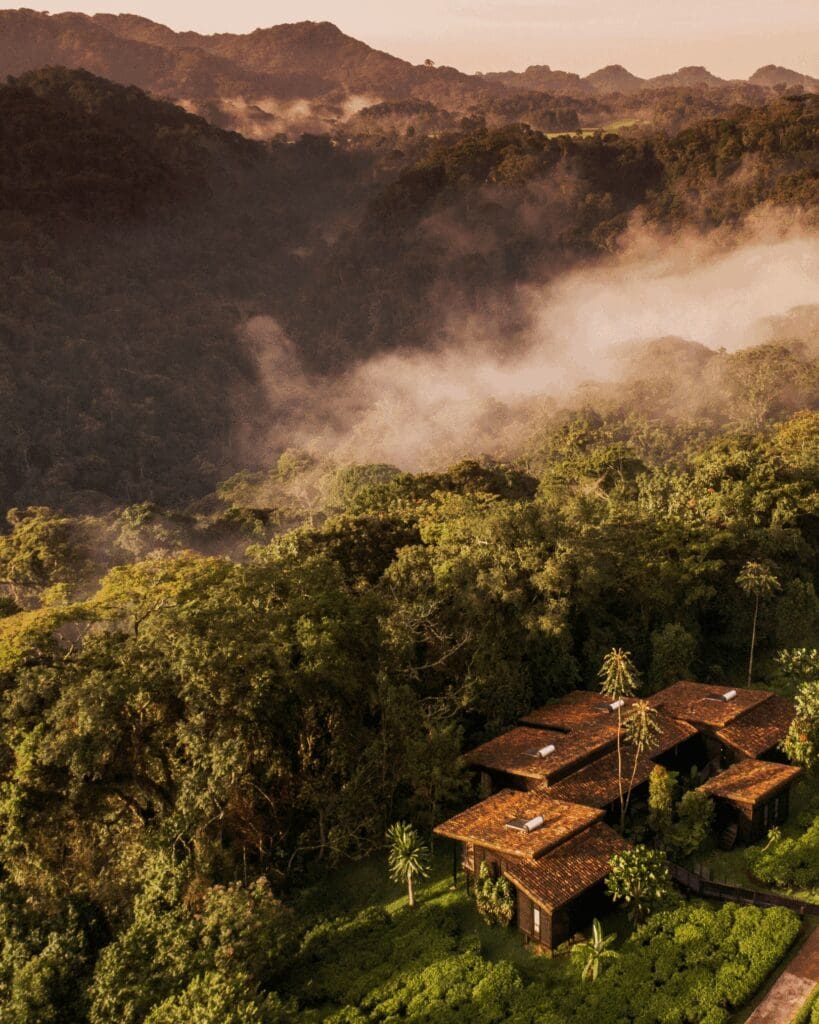
The finest lodges here are deliberately low-key. They sit close to the park boundary, allowing early access, but retreat into a kind of soul-quieting stillness by late afternoon. One&Only Gorilla’s Nest in Rwanda and Nyungwe House offer comfort and strong conservation alignment, yet the emphasis remains on proximity to the forest rather than distraction from it.
Exploring the Galápagos Islands
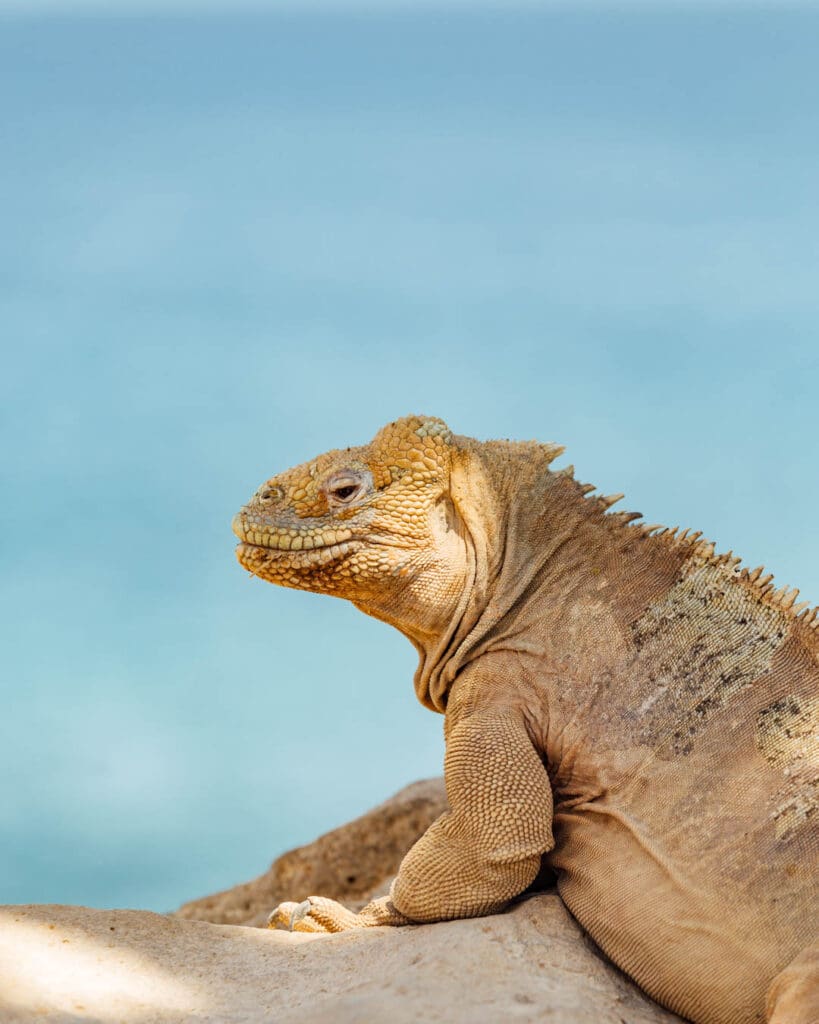
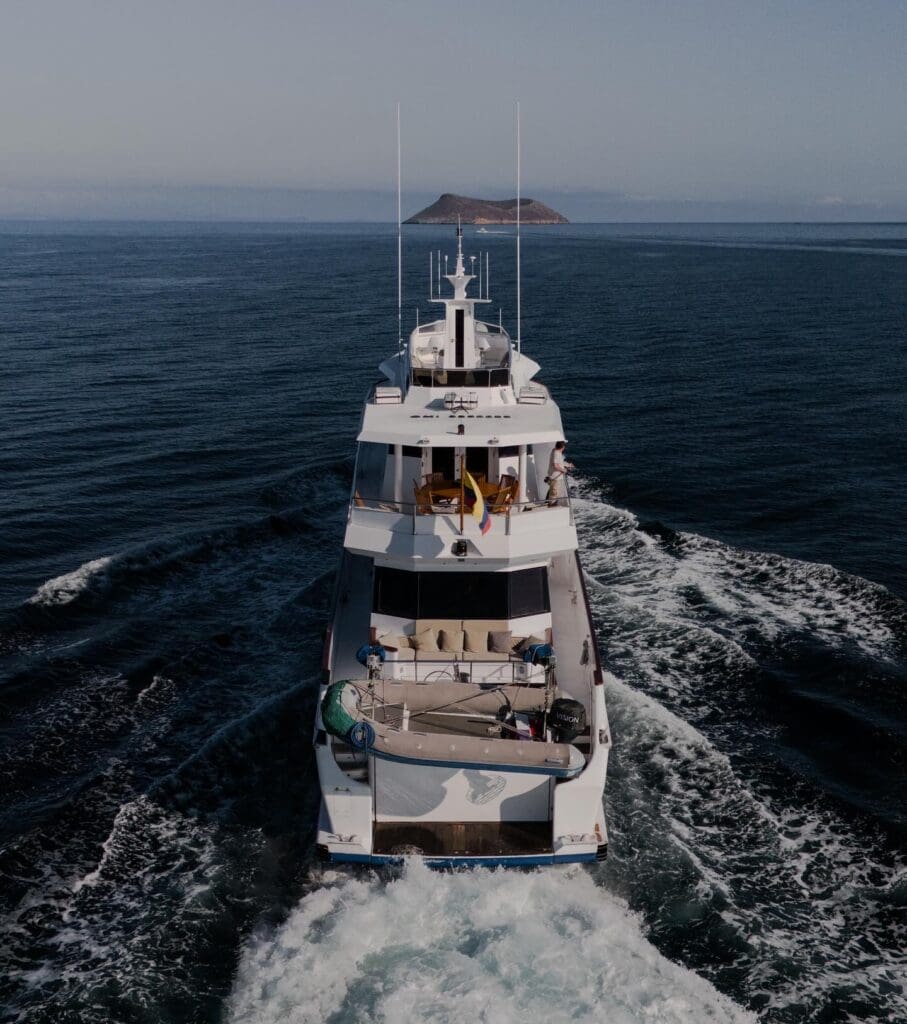
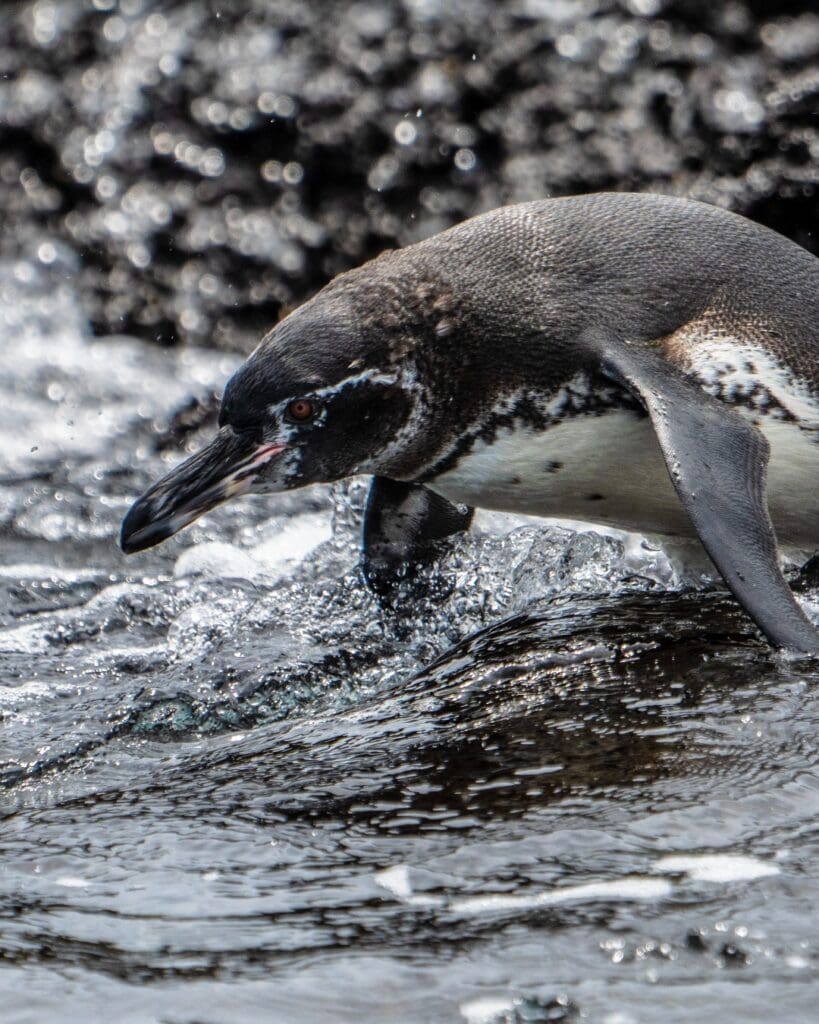
Six hundred miles off the coast of Ecuador, the Galápagos feel elemental. Black lava fields, low cacti, wind that carries salt and heat. It is the isolation that shaped the wildlife here.
Giant tortoises move slowly through the highlands. Marine iguanas warm themselves on volcanic rock before slipping into cold Pacific water. Sea lions weave through snorkellers without alarm. The species evolved without natural predators; they behave accordingly.
Access is tightly regulated by the national park authority. Visitor numbers are capped. Landing sites are fixed. Licensed naturalist guides are mandatory. That structure is precisely why the archipelago still feels intact.
Whether exploring by small expedition vessel or staying on land at a conservation-minded property such as Pikaia Lodge, the key is scale. Smaller groups. Slower movement. Time spent understanding what you are seeing, not just photographing it.
The Galápagos reward curiosity more than speed.
Peru – From the Andes to the Amazon
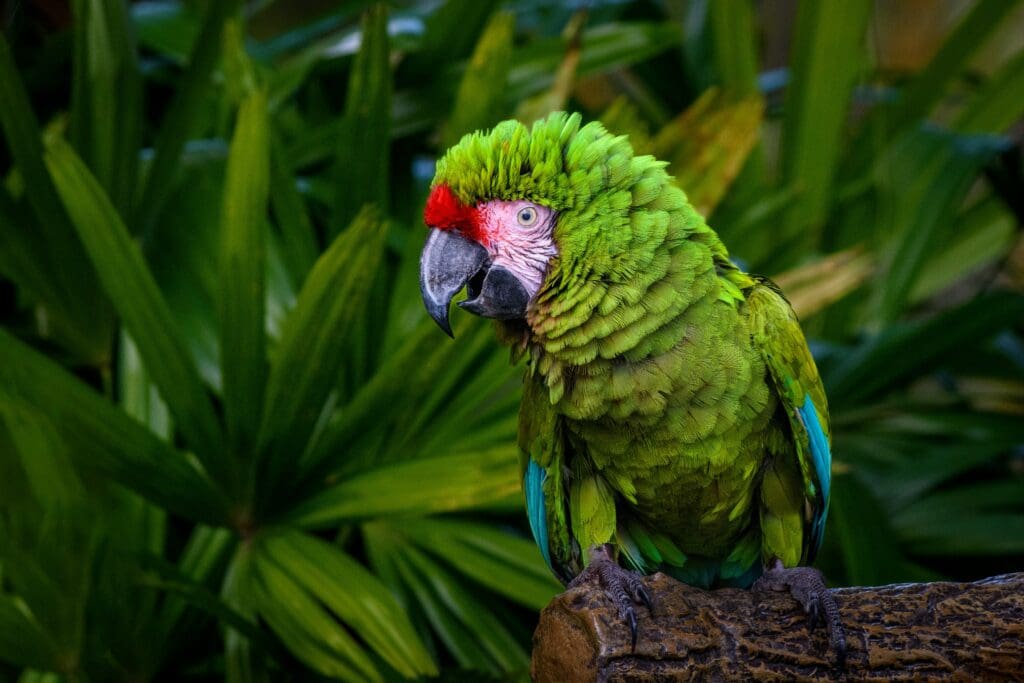
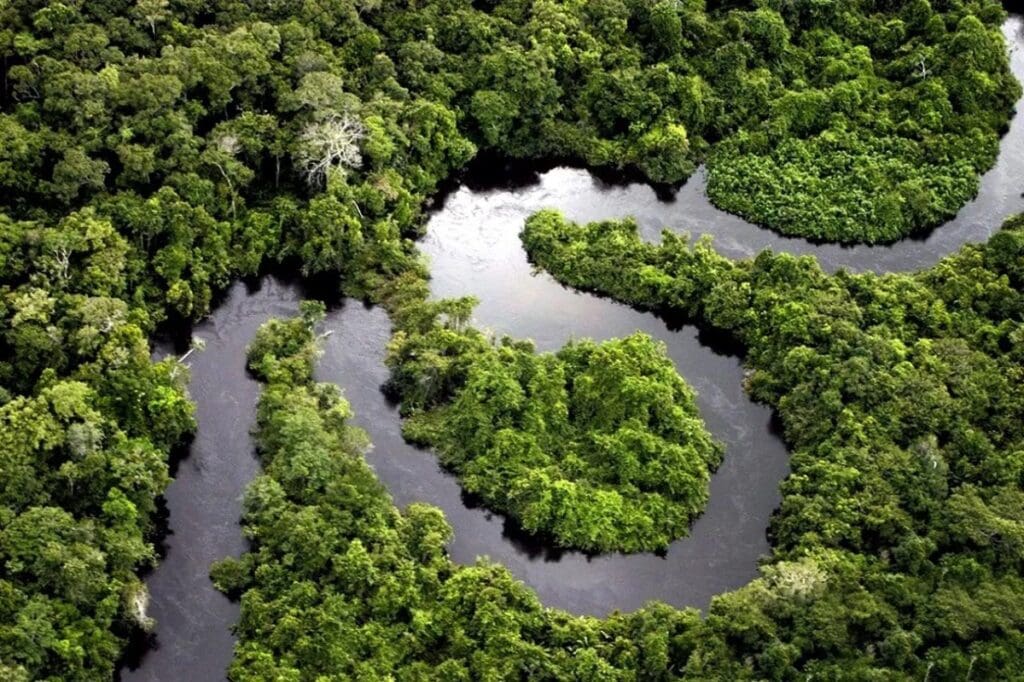
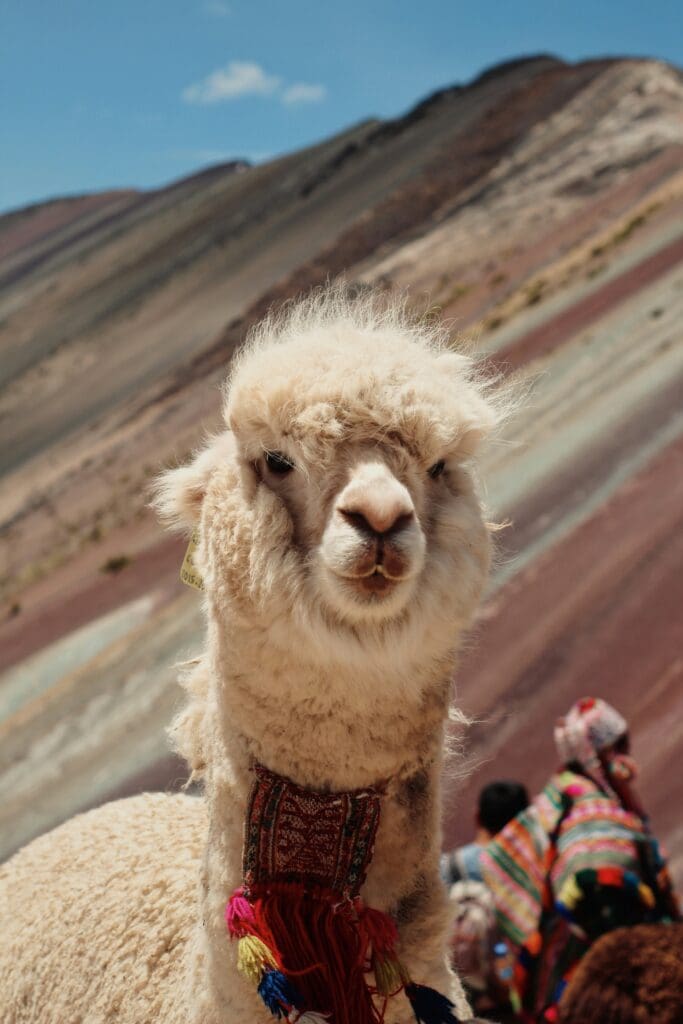
Peru offers one of the most varied wildlife landscapes in South America. Within a single journey, you can move from high Andean plateaus to cloud forest and down into the Amazon basin.
Last year, Jonas travelled through Cusco and the Sacred Valley before continuing on to Machu Picchu. At altitude, wildlife is woven into daily life. Llamas and alpacas graze against terraced hillsides. Andean condors circle high above the valley walls. Even around Machu Picchu itself, the surrounding cloud forest is home to spectacled bears, orchids, and a surprising density of birdlife if you take the time to notice it.
Staying at Belmond Sanctuary Lodge – the only hotel located directly at the entrance to Machu Picchu – changed the rhythm entirely. Being on site before the first buses arrive allows space to experience both the ruins and the surrounding ecology more quietly.
From Cusco, many journeys continue east into the Amazon basin. In Peru’s Tambopata and Pacaya-Samiria reserves, wildlife reveals itself through movement rather than spectacle. Early-morning boat excursions along glassy tributaries. Canopy walks suspended above the forest floor, where macaws and monkeys move at eye level. Guided night walks that expose an entirely different ecosystem of amphibians and insects. Slow river cruises that cover distance without cutting through habitat.
Clay licks draw hundreds of macaws in concentrated bursts of colour. Pink river dolphins surface in oxbow lakes. Jaguars remain elusive but present.
Exploring Antarctica by Land or Sea
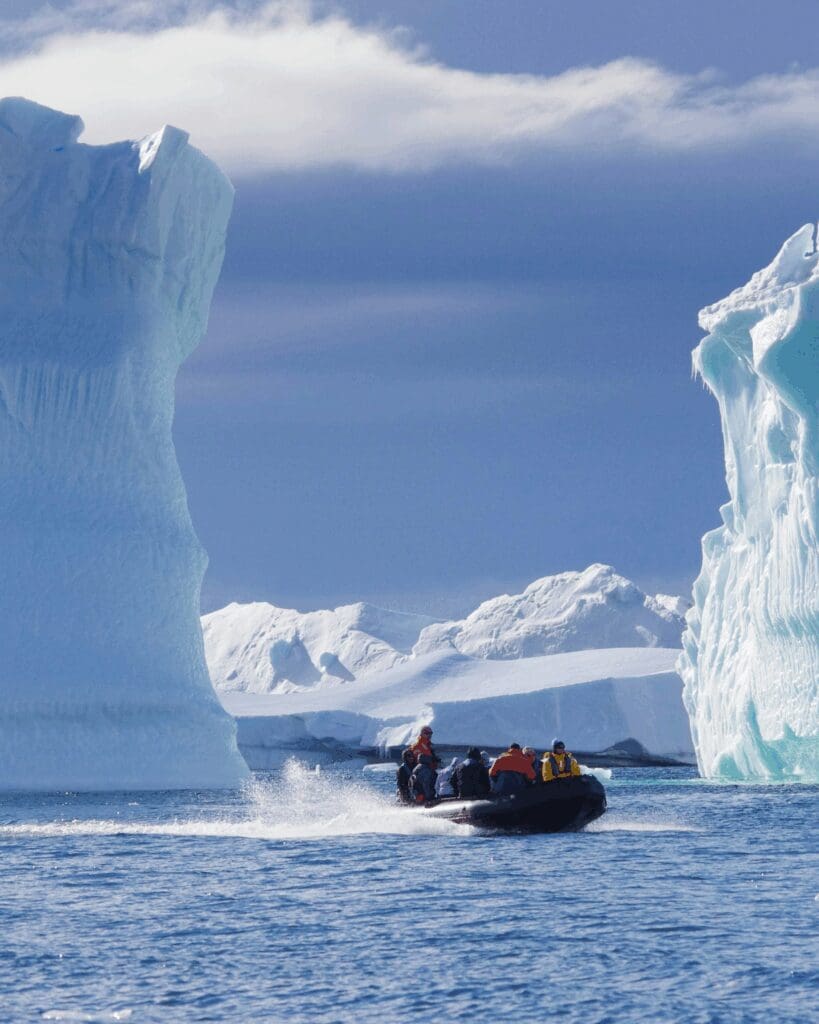
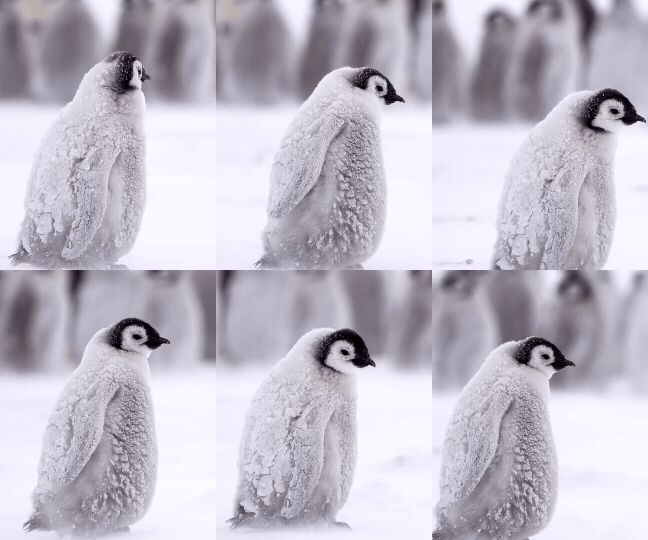
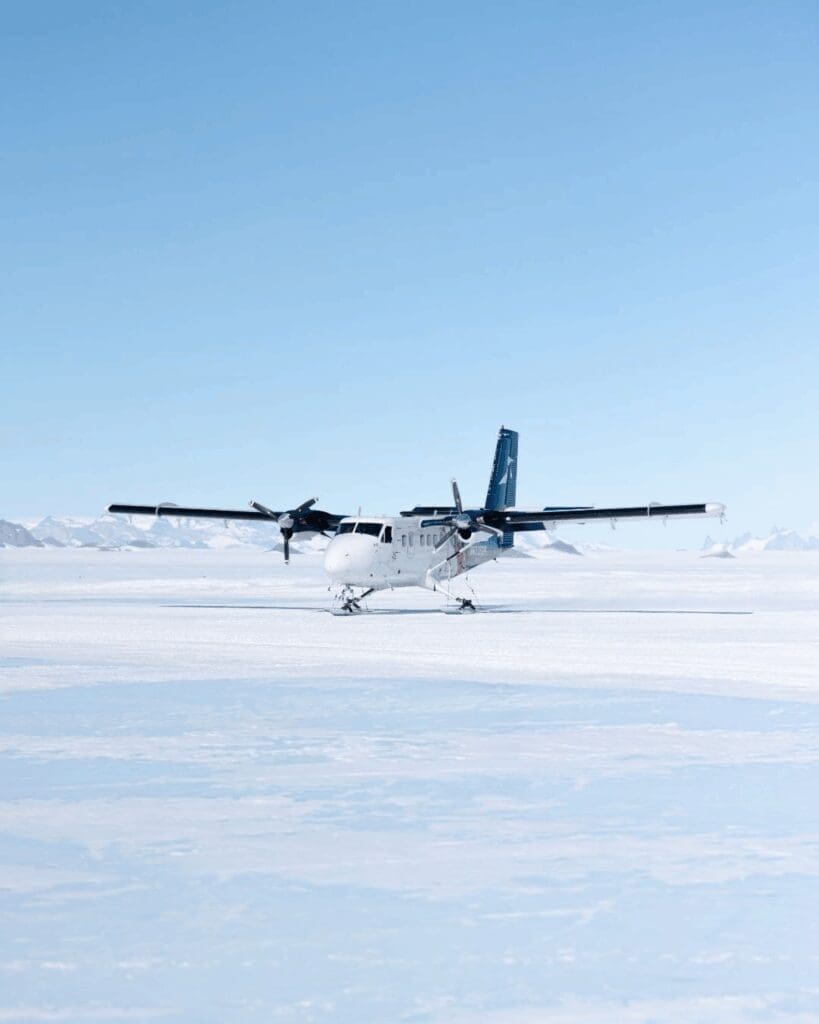
For many travellers, Antarctica sits firmly on the bucket list. Most journeys begin in Ushuaia, crossing the Drake Passage before reaching the Antarctic Peninsula. Icebergs begin to appear on the horizon. The air sharpens. Days unfold by Zodiac, stepping ashore among penguin colonies, watching humpbacks surface in narrow channels, pausing while seals rest on drifting ice.
A well-run expedition cruise balances comfort with scale. Smaller vessels allow for more frequent landings and a greater sense of intimacy with the landscape, while onboard polar experts deepen understanding without overcomplicating it.
There is, however, another way.
White Desert offers a completely different Antarctic experience – flying directly from Cape Town to a private camp set against a backdrop of sculptural ice formations. From there, days might include visiting emperor penguin colonies, exploring ice tunnels, or even dining beneath towering blue ice walls. It is logistically complex and unapologetically ambitious, yet still operates within the same strict environmental frameworks that govern the continent.
Whether by sea or by air, Antarctica remains one of the last places on earth that still feels genuinely remote.
On Safari in Southern Africa
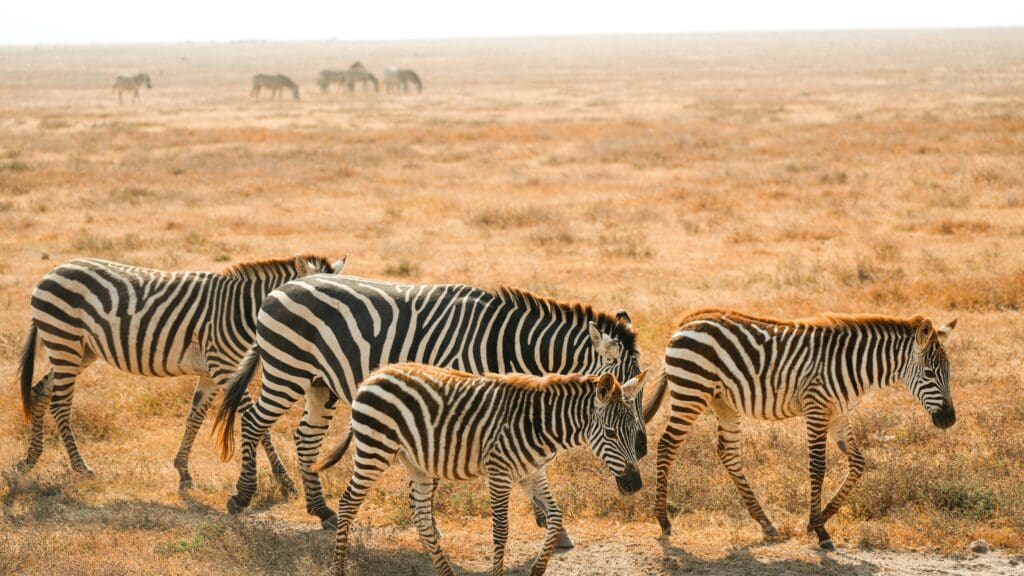
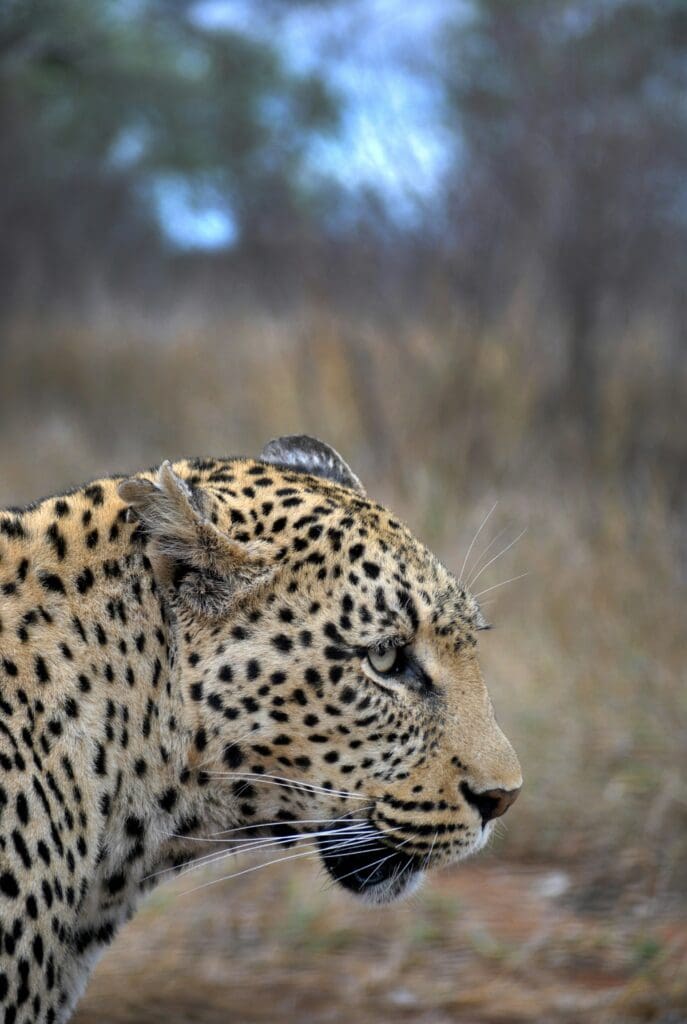
The phrase “Big Five” originally referred to the most difficult animals to hunt on foot: lion, leopard, elephant, rhino and buffalo. Today, it defines one of the most sought-after wildlife experiences in the world – and in the right parts of Southern Africa, it remains extraordinary.
In Botswana’s Okavango Delta, elephants move through shallow floodplains at dusk while hippos surface in quiet channels. In South Africa’s Sabi Sands, leopards are tracked with remarkable consistency thanks to experienced rangers and private concession access. In Kenya’s Maasai Mara, open savannah provides the stage for large prides of lion and seasonal migration on a scale that feels almost cinematic.
What distinguishes a strong safari is not simply wildlife density, but how you move through the landscape. Early morning drives before the heat settles. Walking safaris where you learn to read tracks and wind direction. Mokoro excursions through reed-lined waterways. Evenings that end with a drink in hand while the sky shifts from gold to deep indigo.
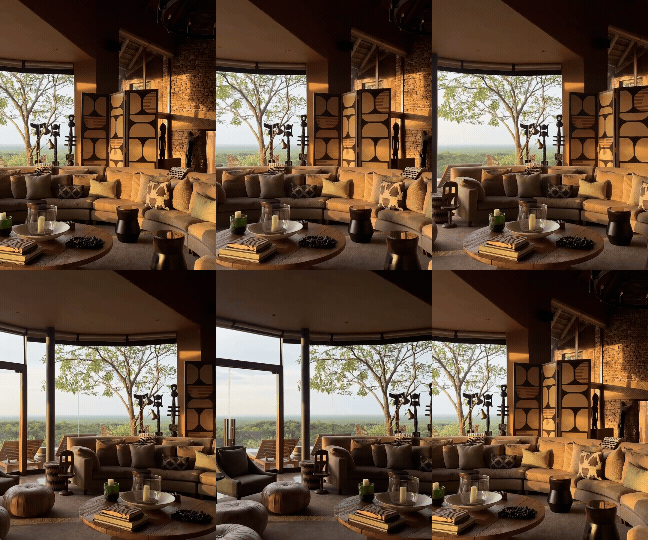
Operators such as Singita and &Beyond manage vast tracts of private land where vehicle numbers are controlled and conservation is embedded into the operating model, translating directly into experience – fewer vehicles at sightings, greater flexibility, and a stronger sense of immersion. Just as importantly, their lodges are positioned with intention, often overlooking riverbeds or floodplains where wildlife remains part of the backdrop even at rest. Architecture blends into the plains, suites are generous with private decks or plunge pools, and service is immaculate. After early mornings in the bush, returning to a beautifully designed space, a long lunch, or a firelit dinner under open sky becomes part of the safari rhythm itself.
The Great Barrier Reef, Australia
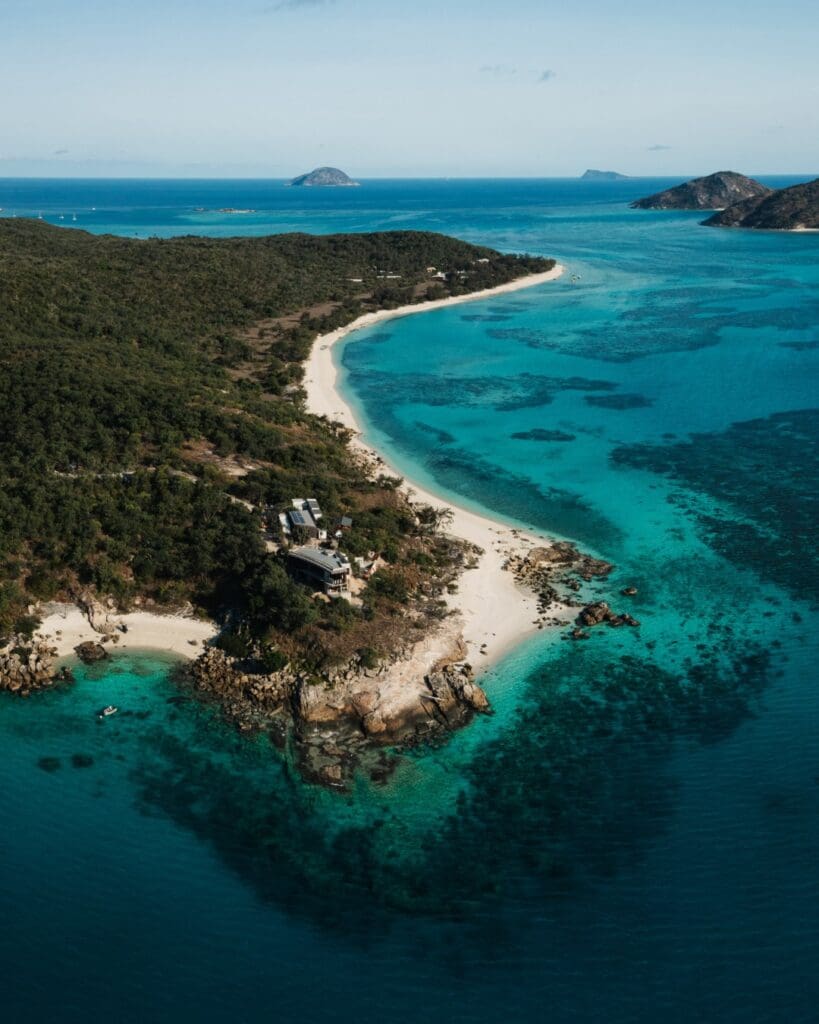
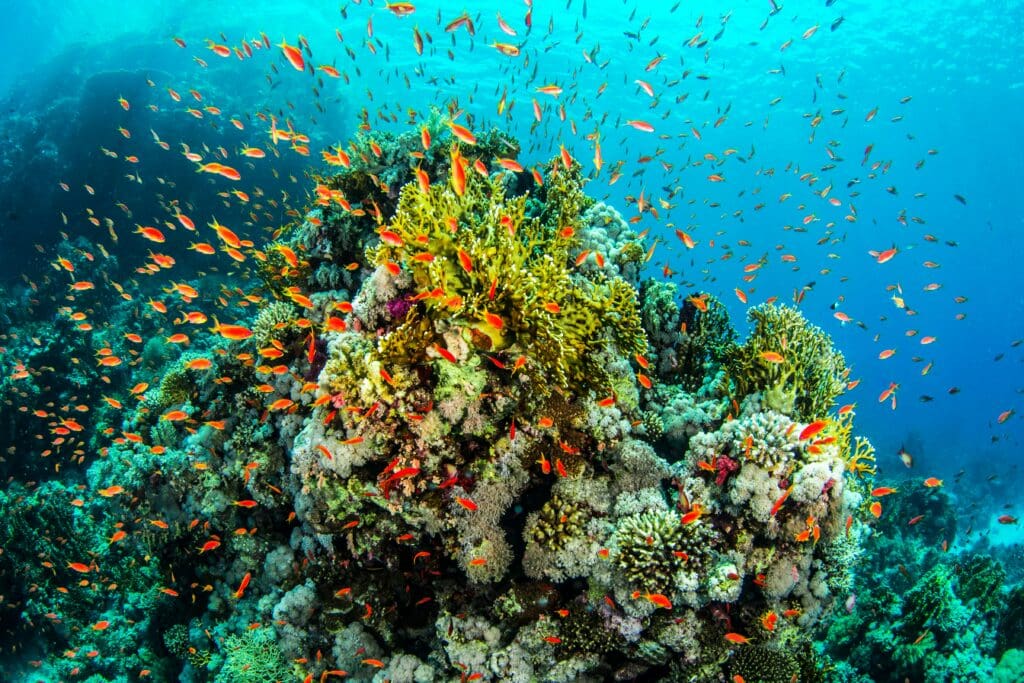
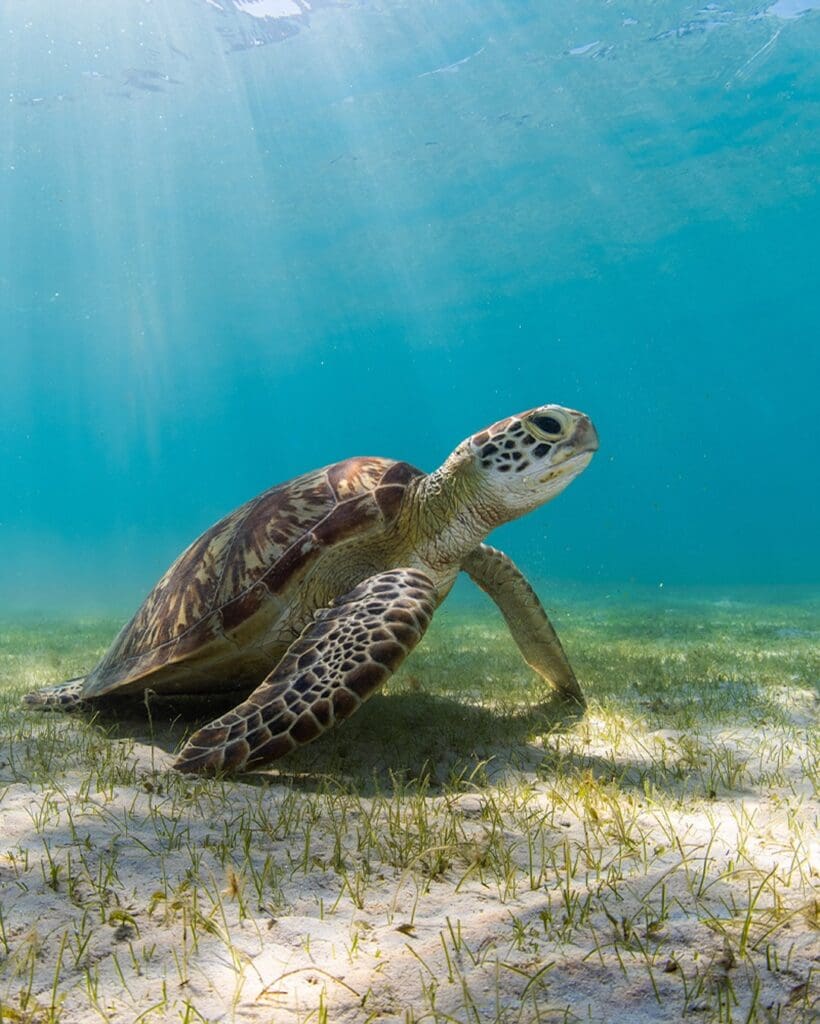
Stretching over 2,300 kilometres along Queensland’s northeast coast, the Great Barrier Reef is the largest coral reef system on earth and one of the few living structures visible from space. Its scale is difficult to comprehend until you’re in it.
Access varies enormously. The outer reef – reached by boat or helicopter from remote islands – offers clearer water, healthier coral systems and fewer day visitors. Snorkelling here reveals green turtles grazing on seagrass beds, reef sharks patrolling the drop-offs, giant clams embedded in coral, and schools of fish moving in near-synchronous formation. For certified divers, the deeper sections expose dramatic walls and bommies alive with colour and movement.
Staying somewhere such as Lizard Island by Relais & Chateaux or Pelorus Private Island (opened only in 2024) changes the rhythm entirely. You’re not part of a queue returning to shore; you’re based within the marine park itself, with direct access to quieter reef systems and the ability to head out early or late when conditions are at their best. Guided experiences with marine specialists add context – coral restoration, bleaching patterns, the role of the Great Barrier Reef Marine Park Authority – without turning the day into a classroom.
Above water, the landscape is all white sand and clear horizon. Below it, an ecosystem of remarkable complexity continues uninterrupted.
How to Experience the World’s Greatest Wildlife for Yourself
From polar ice to equatorial rainforest, the diversity of wildlife across the planet is extraordinary. Experiencing it comes with responsibility.
In many of the regions mentioned above, carefully managed tourism plays a direct role in funding conservation initiatives, protecting habitats and supporting local communities. Choosing how – and with whom – you travel genuinely matters.
At RASK, we partner with some of the world’s finest expedition teams, destination specialists and local guides – people who understand their landscapes intimately and operate with integrity. Whether that means polar experts navigating Antarctic ice, rangers who have tracked the same gorilla families for decades, or marine biologists interpreting reef ecosystems, the quality of expertise shapes the journey.
If you are considering a wildlife-led expedition – from Rwanda to the Amazon, Southern Africa to Antarctica – we would be pleased to shape it thoughtfully. Get in touch with our team here.


