
Paris to Istanbul by train takes five nights aboard the Venice Simplon-Orient-Express. In Bhutan, the road between Paro and Bumthang passes monasteries, mountain passes and valleys where staying for two nights instead of one can change the whole trip. Botswana’s Okavango Delta is often best understood from the tiny aircraft carrying you between camps, while in Antarctica, the plan for tomorrow might not be decided until the expedition team has checked the ice.
These are the bucket-list travel ideas we love working on at RASK. Not eight places to fly to, stay for a week and fly home from, but routes that unfold as you travel: by train, yacht, expedition ship, light aircraft, 4WD and, occasionally, on foot.
They also bring together some of the people and companies we most enjoy working with. Belmond aboard one of the world’s great trains. Aman across five valleys in Bhutan. Specialist safari teams in Botswana who know their concessions down to individual guides and recent wildlife movements. Expedition crews who can read sea ice far better than we can even attempt.
The hotel still matters, of course. But for these eight journeys, we’re just as interested in what happens between check-in and the next one.
Cape Town, Botswana and Victoria Falls
Cape Town → Winelands → Okavango Delta → Victoria Falls
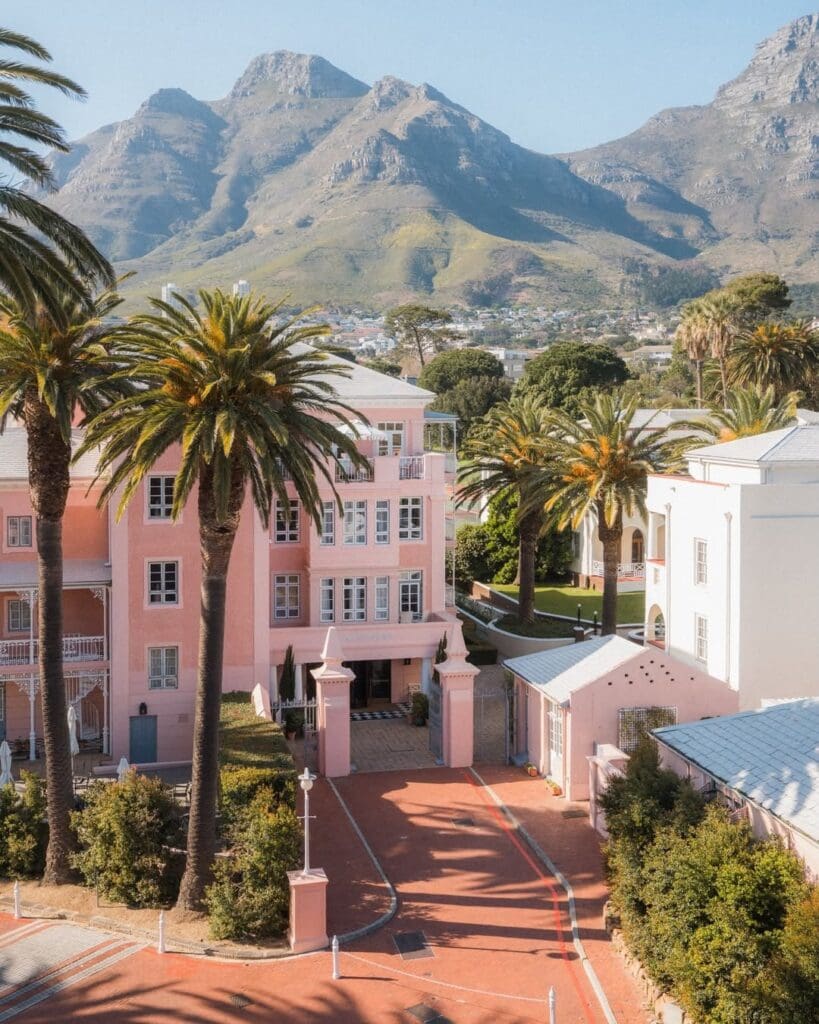
Start with four nights in Cape Town. Table Mountain, the Cape Peninsula, the city’s art scene and an afternoon around Boulders Beach quickly fill the diary, while Mount Nelson, A Belmond Hotel gives you a brilliant base in the city, set within nine acres of gardens beneath Table Mountain. From here, move into the Winelands rather than squeezing them into an afternoon excursion. Two nights in Franschhoek or Stellenbosch leaves time for smaller estates, mountain walks, beautiful gardens and some of the restaurants that have made this corner of the Cape a destination in itself.
From the Winelands, the landscape changes completely as you fly north into Botswana. Belmond can actually carry the journey through from Cape Town into the safari, with its Grand Tour of Southern Africa combining Mount Nelson with its two Botswana lodges, Eagle Island Lodge and Savute Elephant Lodge. It’s an interesting pairing because the two lodges show you very different sides of Botswana rather than simply repeating the same safari experience.
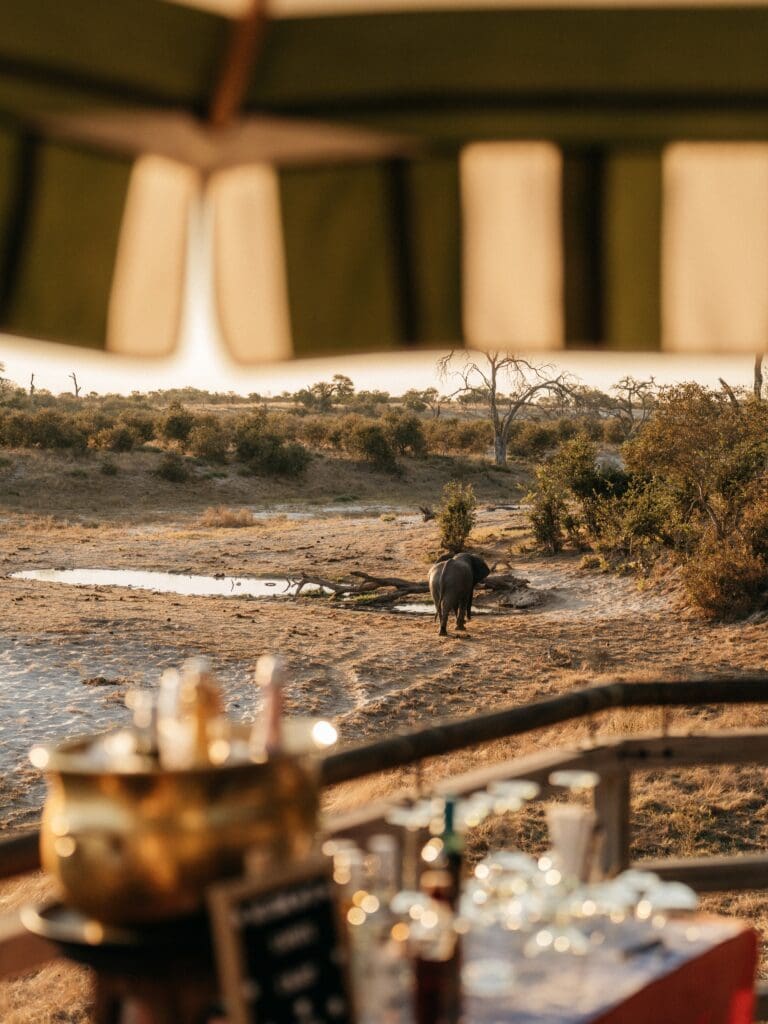
Eagle Island Lodge sits on Xaxaba Island in the Okavango Delta, where days can move between the waterways, land and even the air, with mokoro excursions and helicopter experiences among the possibilities. Savute Elephant Lodge takes you into a different landscape again, in the wildlife-rich Savute region. Connecting them by light aircraft also gives you that extraordinary aerial view of Botswana: water channels, islands and animal tracks appearing beneath you as you move between camps.
Belmond is one way of putting the safari together, but there are exceptional camps across Botswana from groups such as &Beyond, Wilderness and Great Plains too. The right combination depends on the season, water levels, wildlife and how you want to spend your days, which is where our relationships with specialist safari teams on the ground become invaluable.
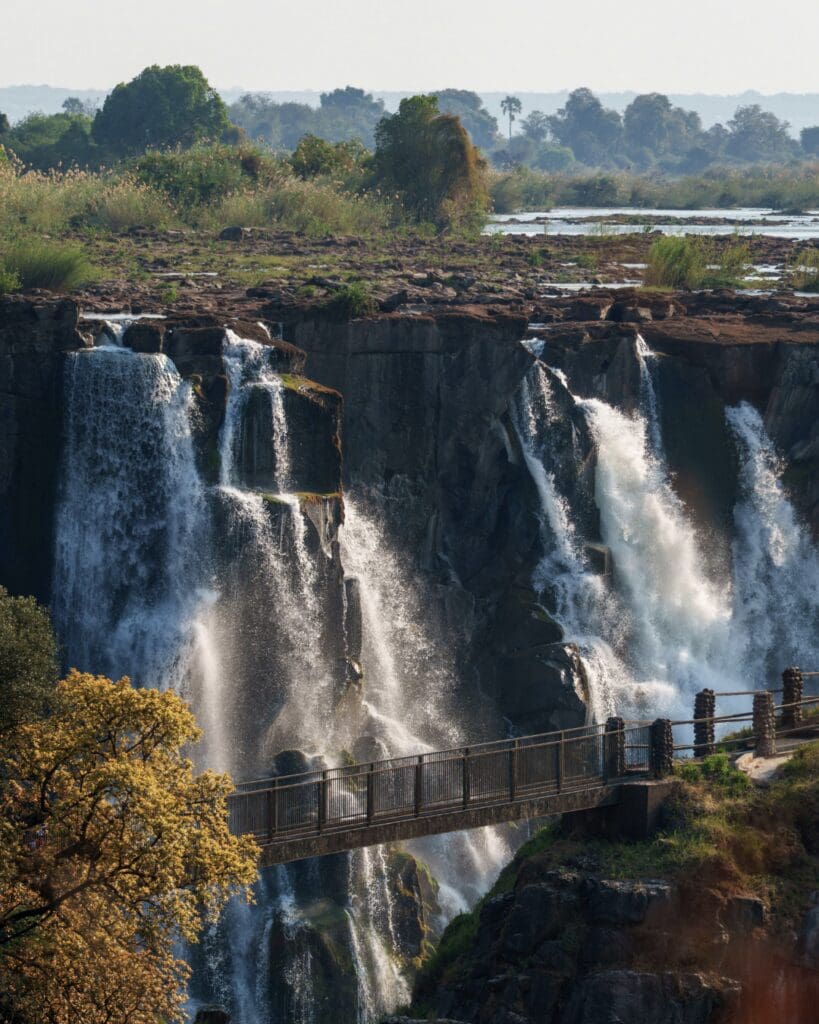
Finish at Victoria Falls, with time to see the falls on foot, get out onto the Zambezi and, if you fancy it, take to the air for the view from above. By then you’ve travelled from Cape Town and the vineyards into two very different corners of Botswana before reaching the Zambezi. It’s a brilliant two weeks.
2. The Galápagos by sea
Quito → Galápagos Islands → Ecuador
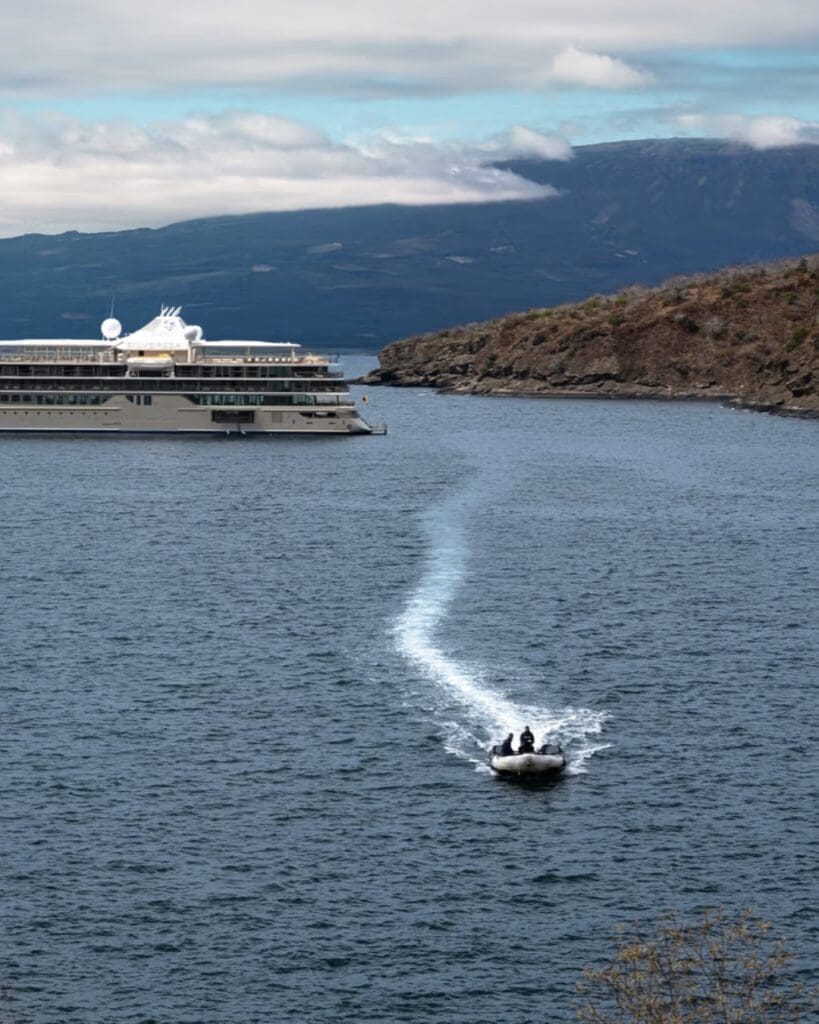
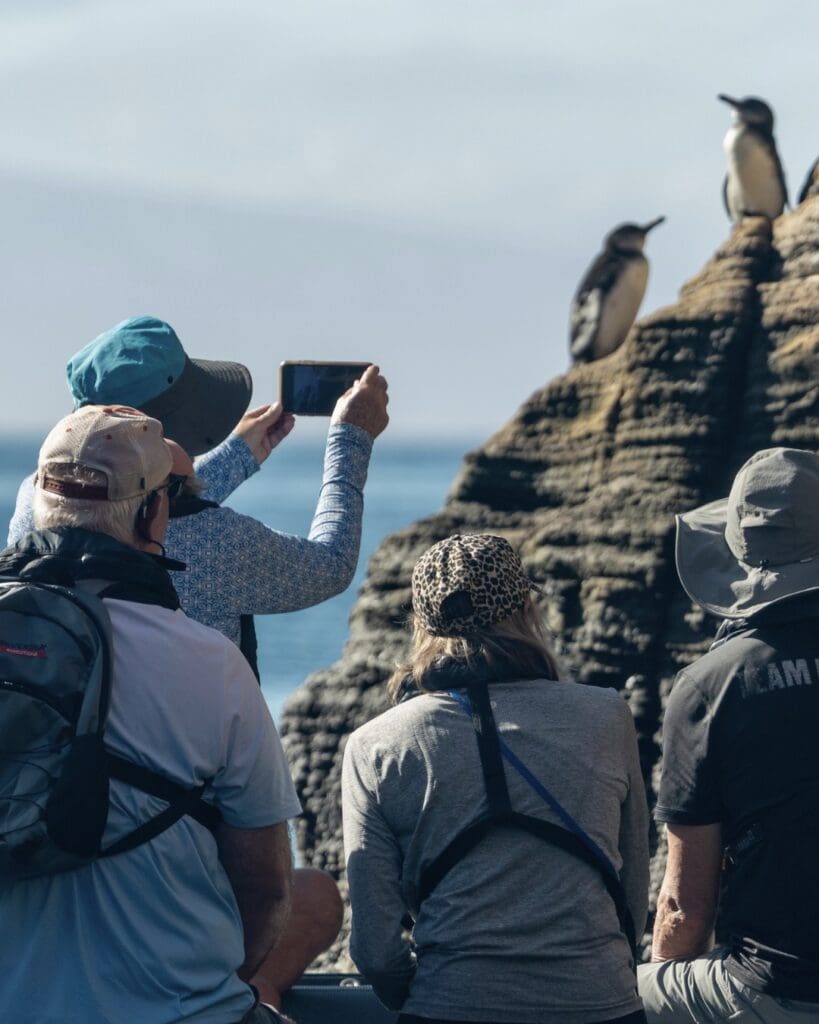
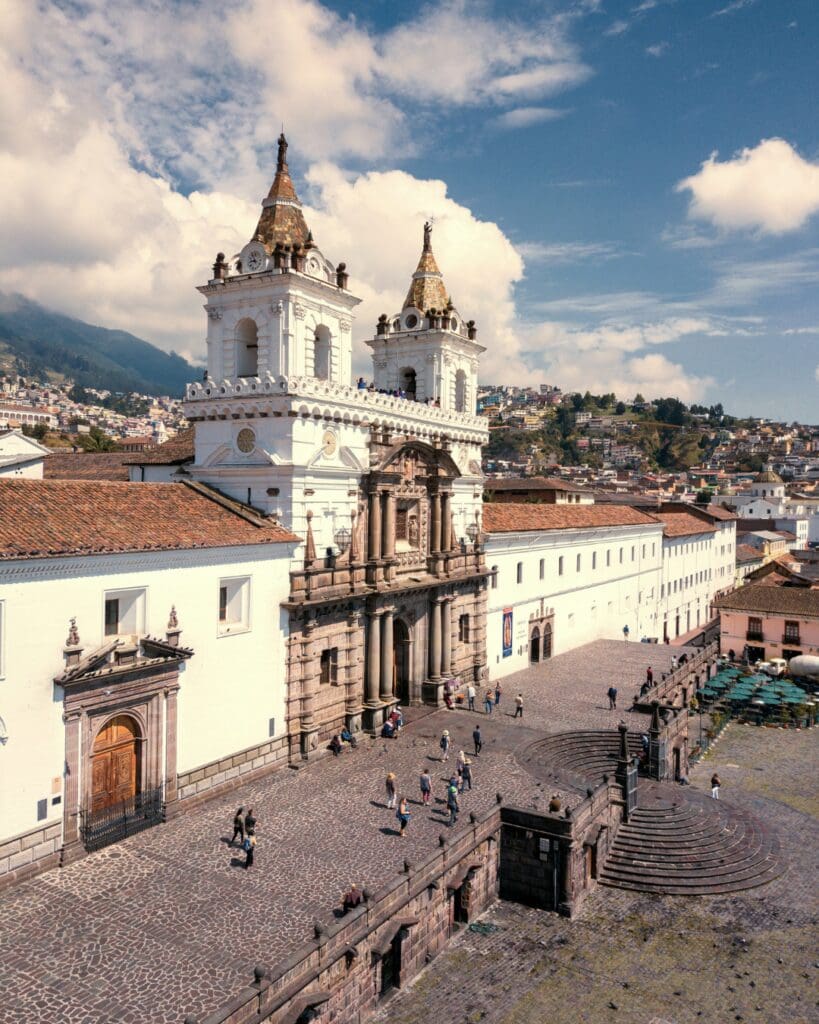
Choosing the ship comes before choosing the suite.
The Galápagos National Park controls where vessels can land, and itineraries vary considerably between routes, so it pays to look beyond the photographs of the yacht. Which islands will you reach? How much time is spent ashore? Who are the naturalists? Do you want a small private yacht or the facilities of a larger expedition vessel?
Silver Origin by Silversea carries 100 guests and was built specifically for the Galápagos, with an expedition team, Zodiacs and an interactive Basecamp alongside the suites, restaurants and generous deck space you’d expect from Silversea.
Once you’re sailing, life revolves around what’s outside.
A Zodiac might take you ashore first thing to walk across lava fields where marine iguanas barely register your presence. By late morning you could be snorkelling off another island, watching a sea lion twist around you underwater. Giant tortoises are found in the greener highlands; elsewhere it’s penguins, frigatebirds, rays, turtles and blue-footed boobies.
Your naturalist is with you through all of it. They’re the person pointing towards a seemingly empty patch of rock before you realise exactly what you’re looking at, or explaining why the vegetation and wildlife on today’s island bear little resemblance to yesterday’s.
We’d put a couple of nights in Quito at the beginning. The historic centre deserves time, and arriving early removes the pressure from the onward flight to the islands. A private guide can take you through the churches, markets and neighbourhoods before the wildlife takes over the conversation for the rest of the week.
For anyone with more time, Ecuador has plenty left after the cruise. The cloud forests around Mashpi are an easy addition; the Amazon changes the landscape completely.
But seven nights sailing between the Galápagos Islands can stand quite happily at the centre of the trip.
3. Bhutan, one valley at a time
Paro → Thimphu → Punakha → Gangtey → Bumthang → Paro
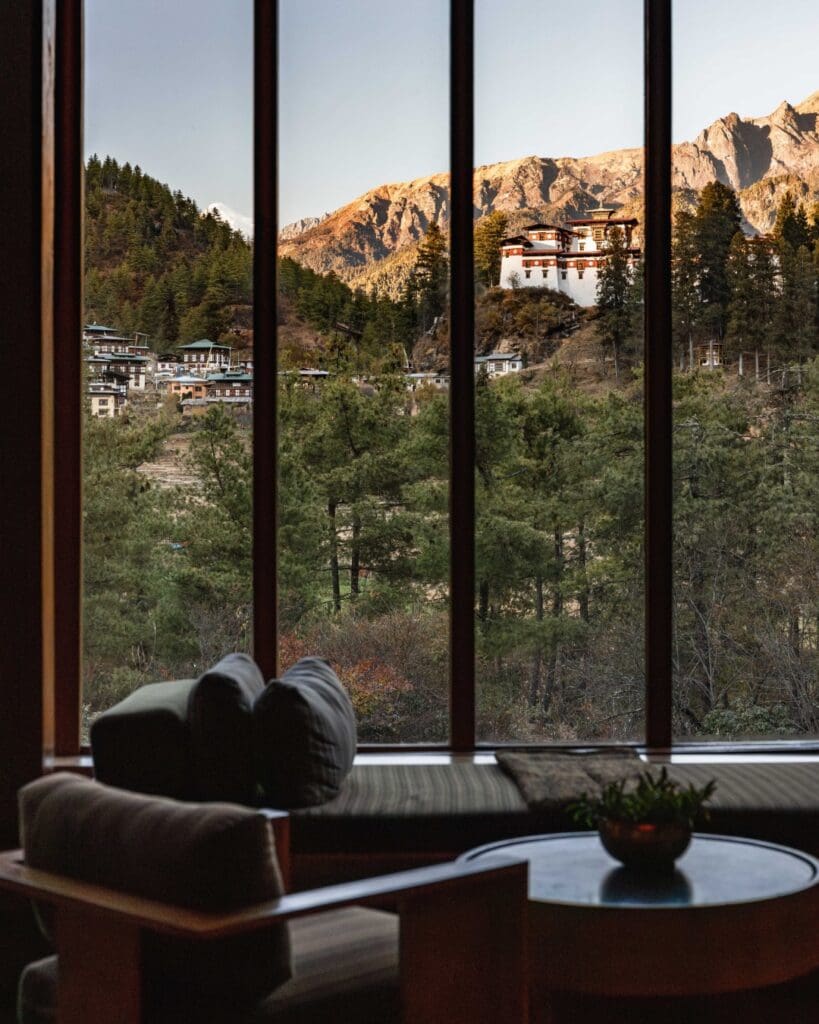
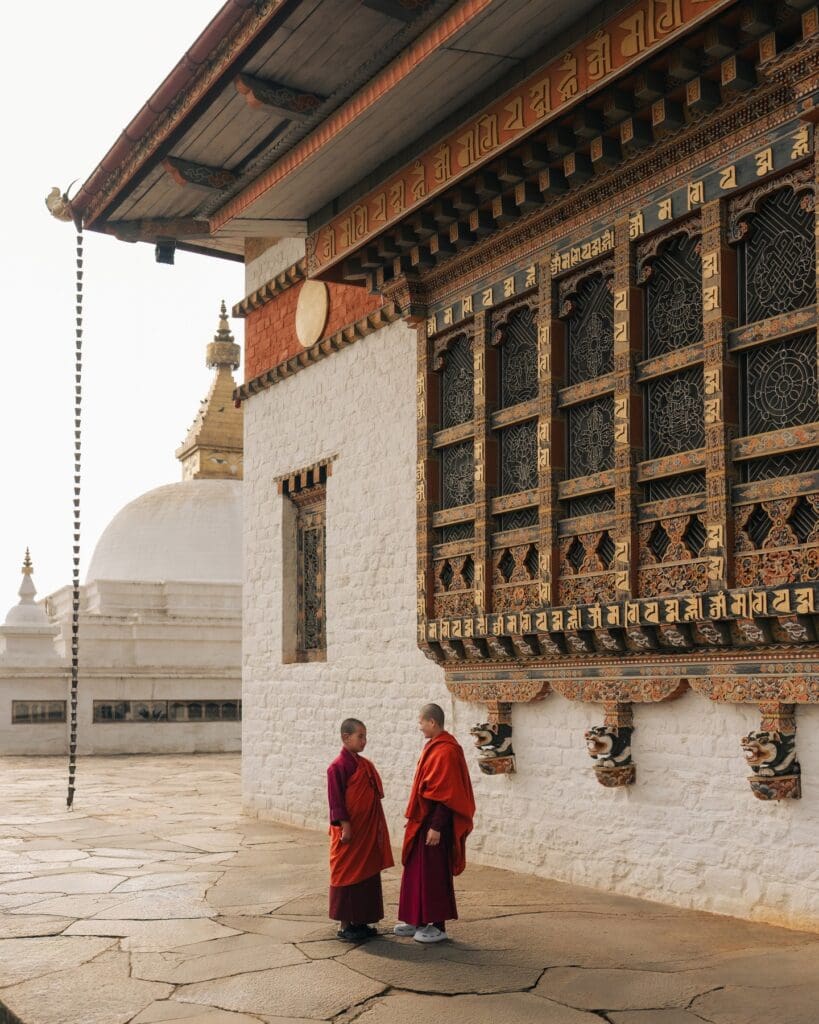
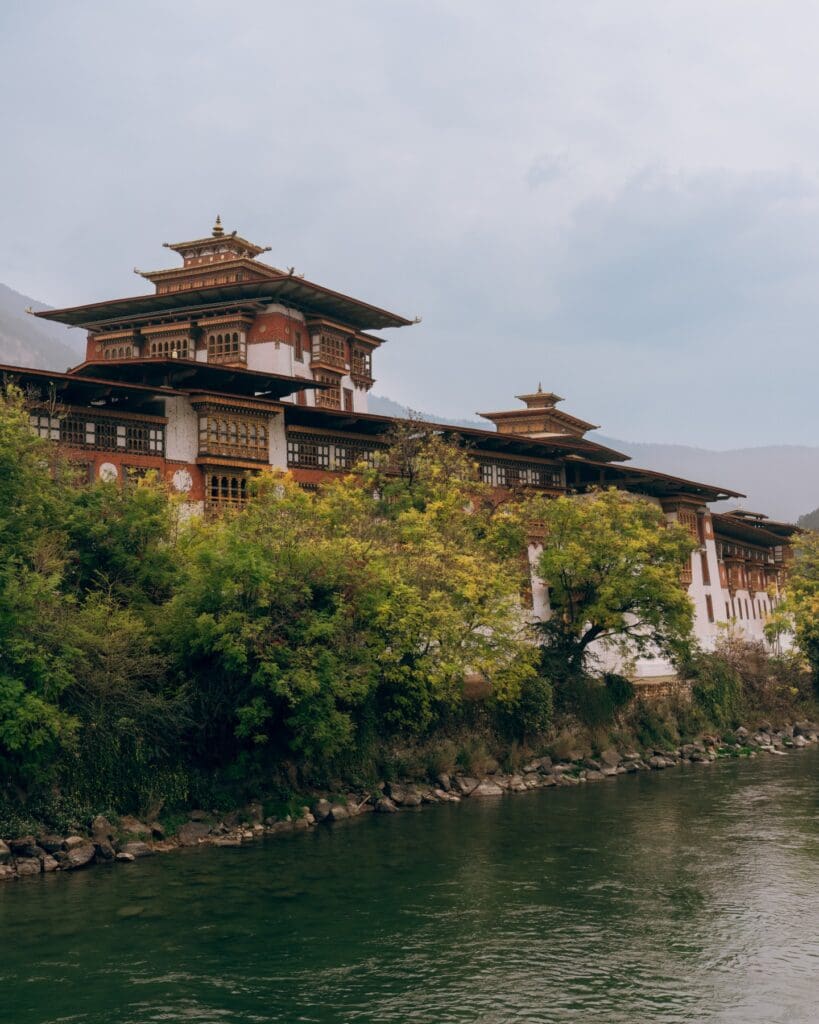
The approach into Paro is memorable before the wheels have even touched the runway. Mountains sit close to the aircraft as it descends into the valley, giving you a fairly immediate introduction to Bhutanese geography.
From the airport, one guide and driver can travel with you across the country.
We like that continuity. After several days together, your guide knows whether to spend another hour in a monastery, stop when a local festival appears along the road or abandon something planned because you’ve become far more interested in textiles, food, Buddhism or architecture.
Amankora makes an interesting route through Bhutan possible without returning to the same base each evening. Its five lodges are spread across Paro, Thimphu, Punakha, Gangtey and Bumthang, following almost exactly the journey we’d want to make.
Thimphu comes first, before the road climbs over the Dochula Pass towards Punakha. On a clear day, Himalayan peaks appear beyond the 108 chortens at the summit. Down in the valley, Punakha Dzong sits where the Pho Chhu and Mo Chhu rivers meet, its whitewashed walls and timber windows surrounded by jacaranda in spring.
Gangtey feels different again. The road opens onto the broad Phobjikha Valley, winter home of the black-necked crane. Walk between villages, visit Gangtey Monastery and spend a couple of nights here rather than seeing the valley through a car window.
Bumthang lies further east, across several mountain passes. Four valleys, old temples, farmhouses and monasteries make it worth the extra distance, particularly for anyone interested in Bhutan’s Buddhist history.
Eventually you return to Paro. Tiger’s Nest waits until now. The trail climbs through pine forest to Taktsang Monastery, built into the cliff around 900 metres above the valley floor. Stop at the viewpoint for tea, continue up the steps and cross the waterfall before the final climb.
4. Paris to Istanbul aboard the Venice Simplon-Orient-Express
Paris → Budapest → Bucharest → Istanbul
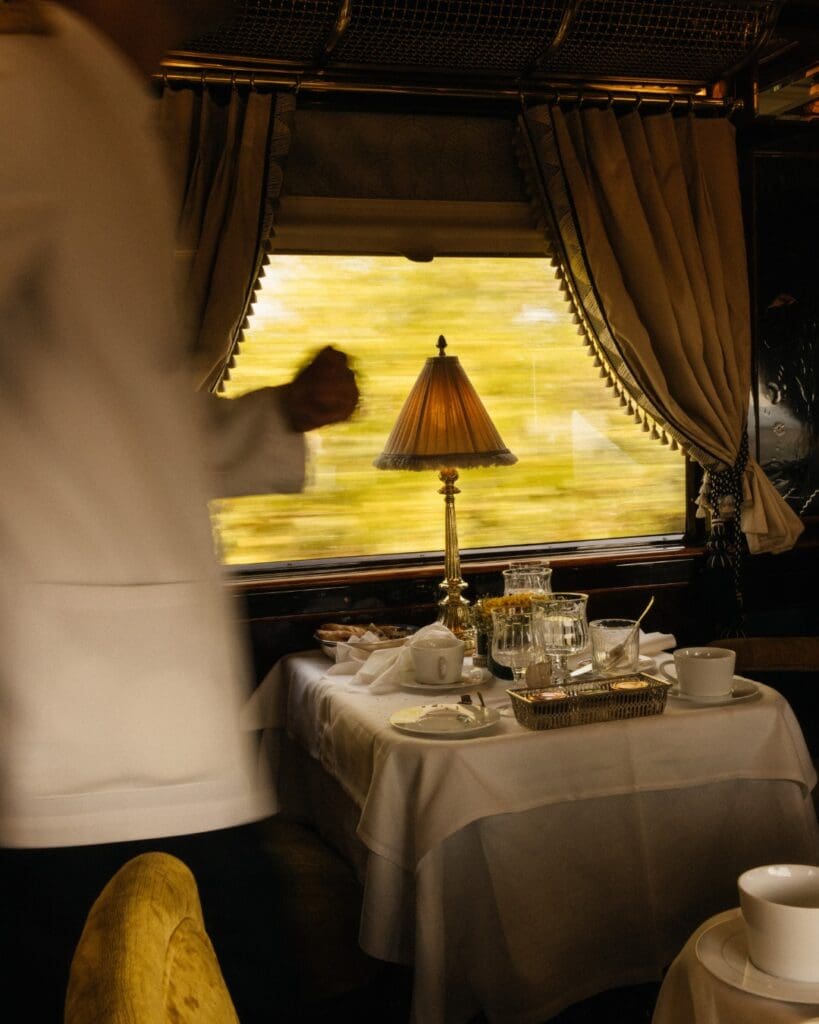
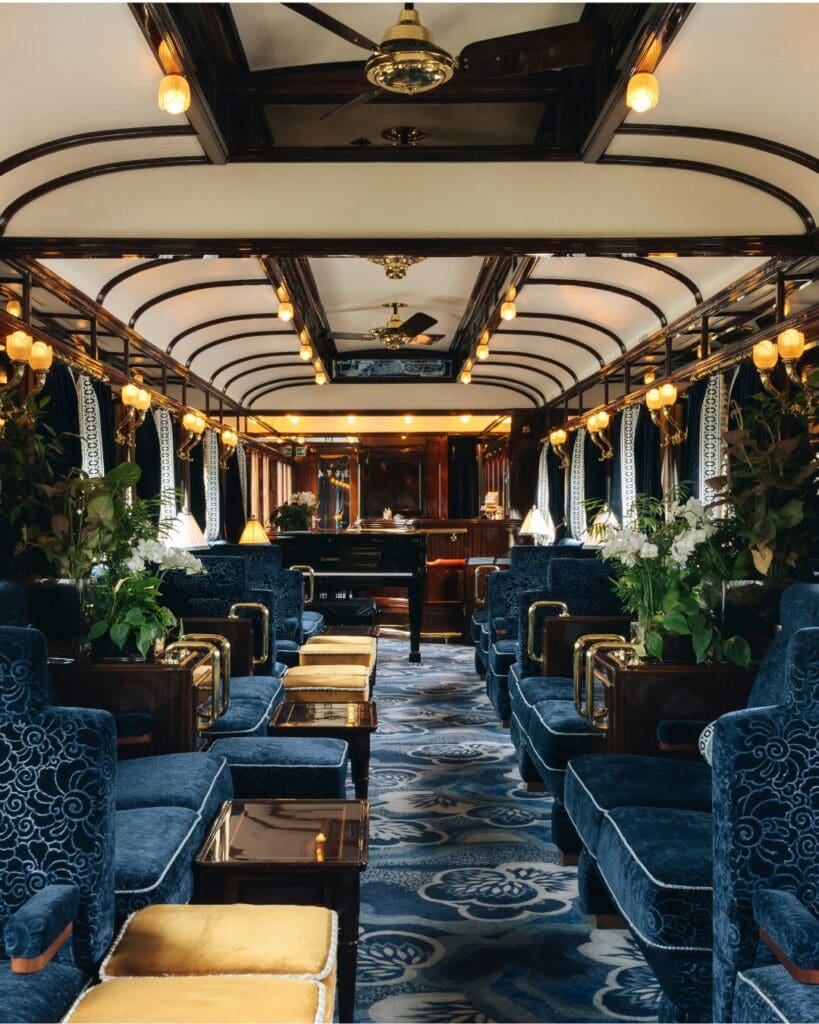
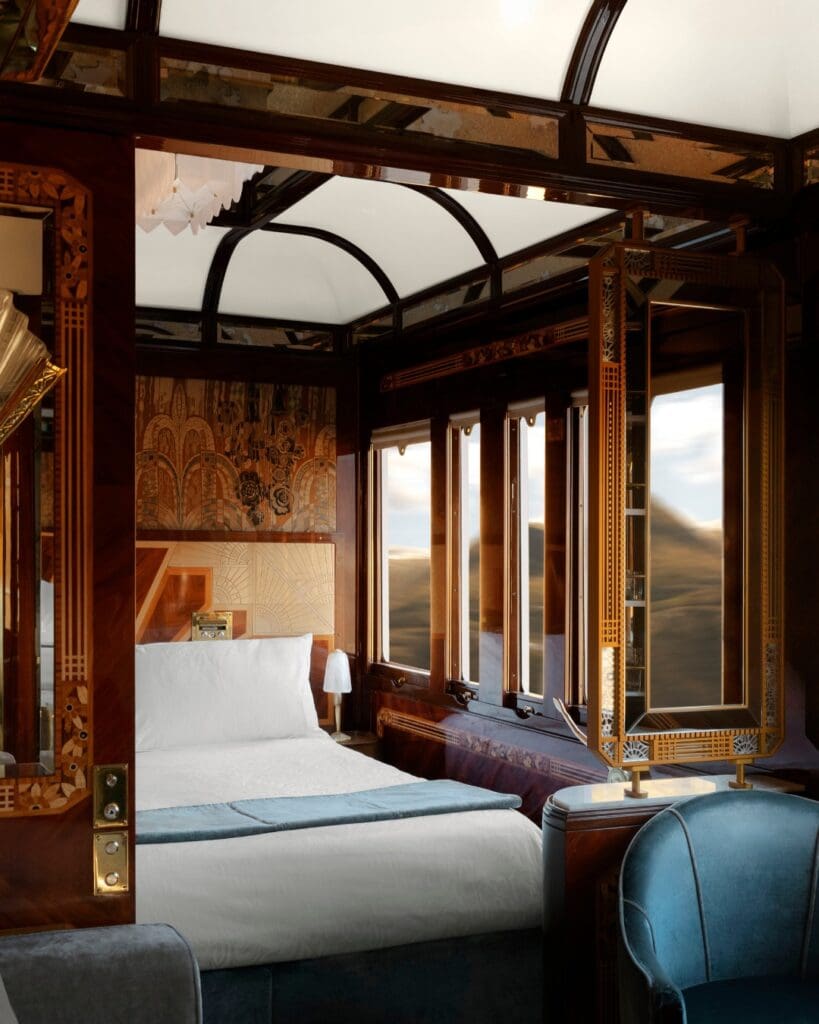
We’ve had our fair share of time aboard the Orient Express, and it’s only strengthened our addiction to rail travel.
Belmond’s Venice Simplon-Orient-Express travels east through Budapest and Bucharest before reaching Istanbul, with hotel stays and time off the train along the way. Original 1920s and 1930s details run throughout the restored carriages: marquetry, polished timber, Lalique glass and cabins that range from the historic originals to Grand Suites with private bathrooms.
By early evening, people have changed for dinner. Three restaurant cars handle lunch and dinner, while the bar car has a habit of keeping people up later than planned. The pianist plays, another bottle gets opened, and Europe carries on past the windows. Breakfast arrives the following morning with a different country outside.
Keep three nights for Istanbul at the end. After arriving at Sirkeci, there is the Bosphorus, Sultanahmet, the bazaars, contemporary galleries around Karaköy and a restaurant scene that warrants arriving with a list. A few nights in Paris before departure bookends the journey nicely too.
Belmond also runs shorter Venice Simplon-Orient-Express routes across Europe, so the train can become one chapter of a longer holiday. Our relationship with Belmond is particularly useful when it comes to choosing between the different journeys and cabin categories, as well as planning the hotels and experiences that sit either side of your time aboard.
5. Patagonia and Antarctica
Torres del Paine → Southern Patagonia → Antarctic Peninsula
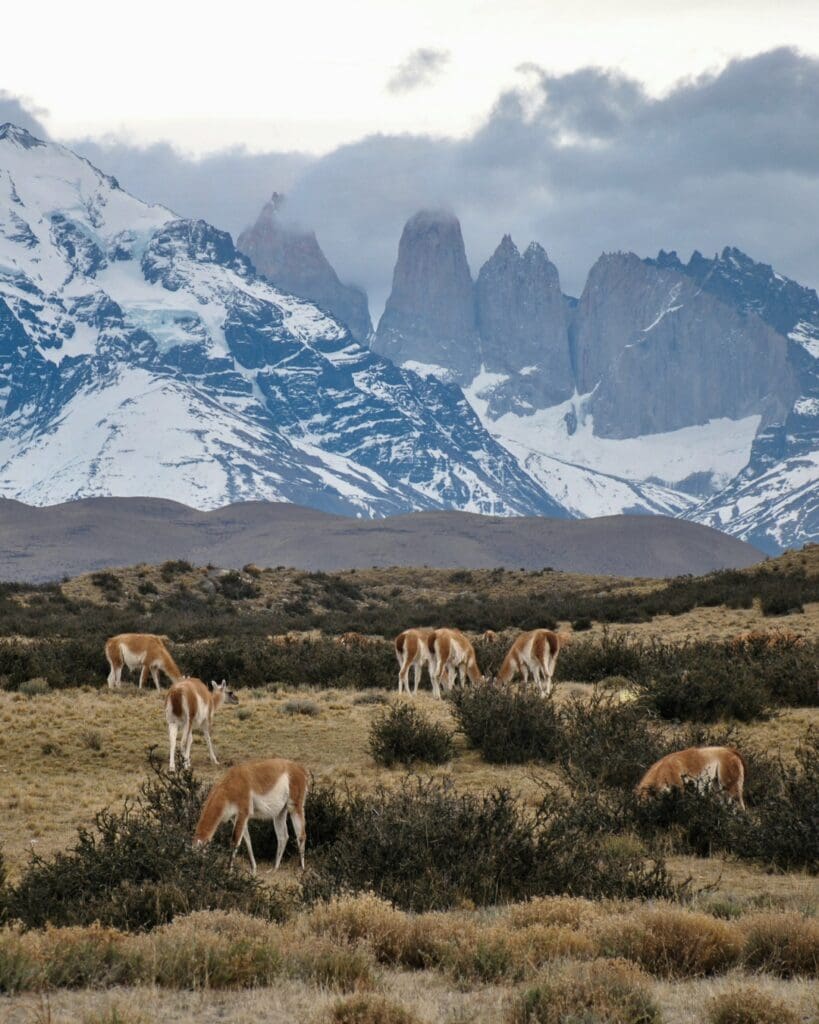
The road into Torres del Paine gives you plenty to look at before you’ve even reached the hotel. Guanacos appear beside the road, the Paine massif gradually comes into view, and lakes shift between slate, turquoise and deep blue depending on the weather. Stay for four or five nights and the days can be shaped around walking, riding, wildlife and whatever Patagonia has decided to do with the weather that morning.
One day could mean a long hike beneath the granite towers; another, a boat towards Grey Glacier. Puma tracking with specialist guides can be arranged for anyone happy with early starts and a fair amount of waiting. From Patagonia, continue south towards the ship that will carry you into Antarctica.
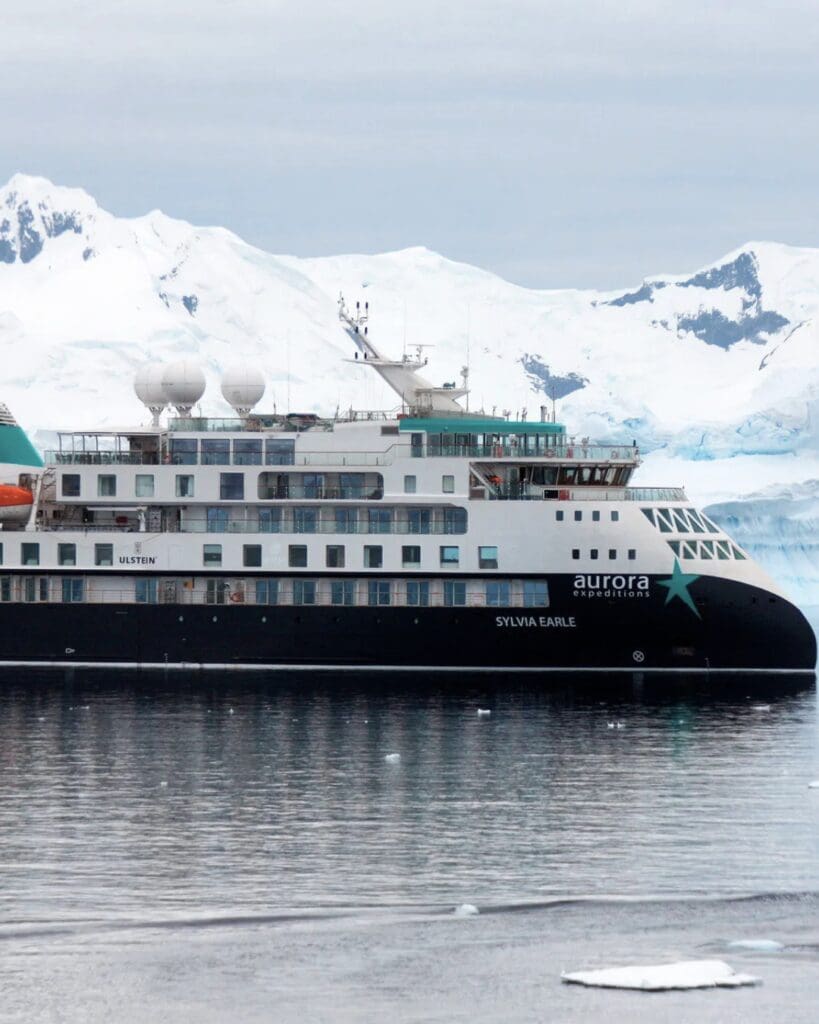
Aurora Expeditions is exemplary when it comes to exploration. Zodiacs take you away from the ship for shore landings and wildlife encounters, with activities such as sea kayaking available on selected voyages. Days are decided around weather, ice and wildlife rather than a rigid sightseeing timetable. A bay that looked accessible yesterday may not be this morning; whales spotted from the bridge can warrant a closer look; a change in conditions might open up somewhere the expedition team hadn’t expected to reach. Aurora also offers fly options for travellers who would rather cross one or both legs of the Drake Passage by air.
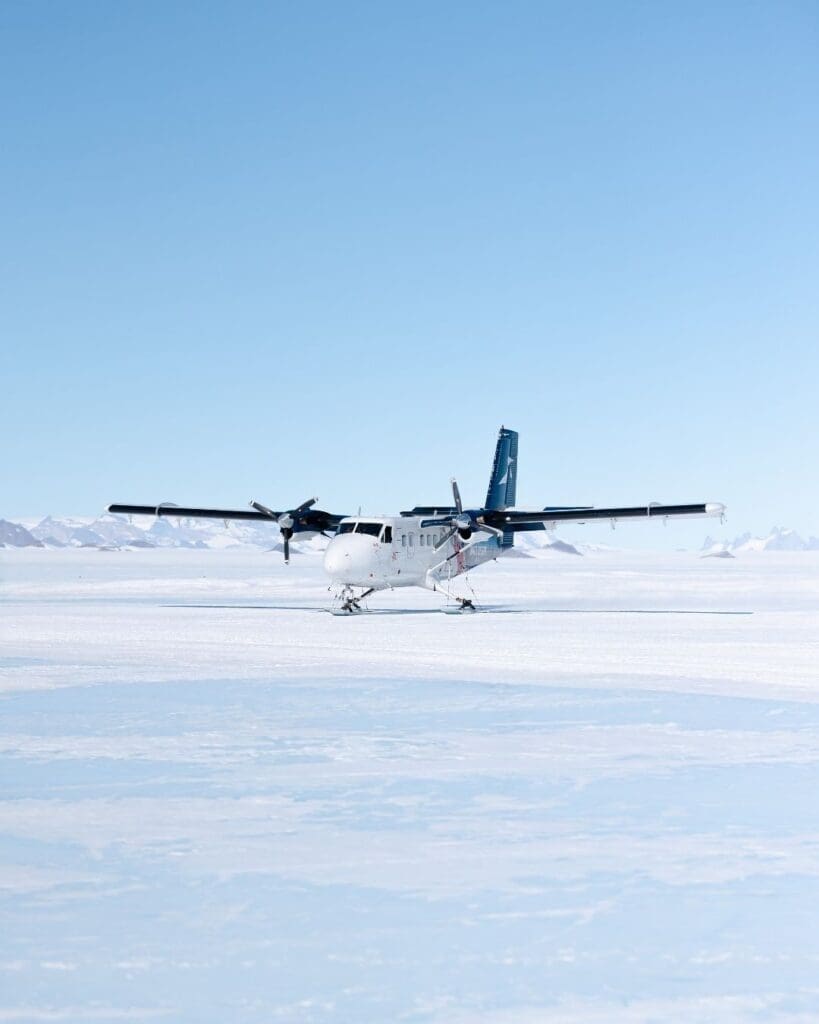
There is another, very different way to experience Antarctica too. White Desert flies guests into the interior of the continent, where its remote camps become a base for exploring landscapes that expedition ships simply can’t reach. Depending on the itinerary, that might mean travelling to an Emperor penguin colony, exploring extraordinary blue-ice formations or flying all the way to the South Pole. It’s a significant step up in both logistics and budget, but for someone looking for one of the world’s most unusual adventures, it’s certainly a conversation worth having.
When you think of bucket list itineraries, this is up there.
6. Japan by rail
Tokyo → Kanazawa → Kyoto → Kii Peninsula → Kyushu
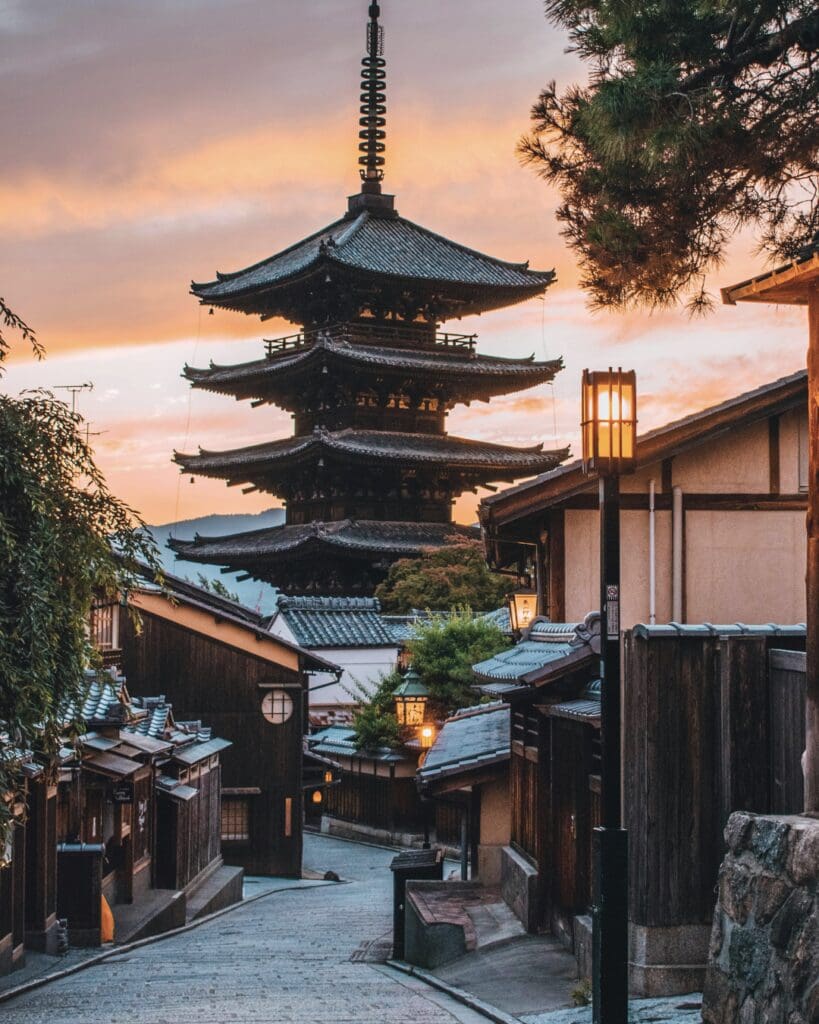
Japan is wonderfully suited to a journey by rail, moving between huge cities, smaller cultural centres and quieter stretches of countryside without needing to fly between them. Start in Tokyo, giving yourself enough time to explore beyond the obvious, perhaps with a private guide for a day before leaving plenty of room to wander.
From here, take the train to Kanazawa on the Sea of Japan, known for Kenroku-en, the 21st Century Museum of Contemporary Art, the old Higashi Chaya district and its long tradition of ceramics, lacquerware and gold leaf.
Kyoto deserves three or four nights. Early starts help with its busiest temples and gardens, while a private guide can introduce smaller workshops, neighbourhoods and places that are easily missed when you’re navigating alone. Continue into the Kii Peninsula afterwards for a ryokan, an onsen and a section of the Kumano Kodo pilgrimage route.
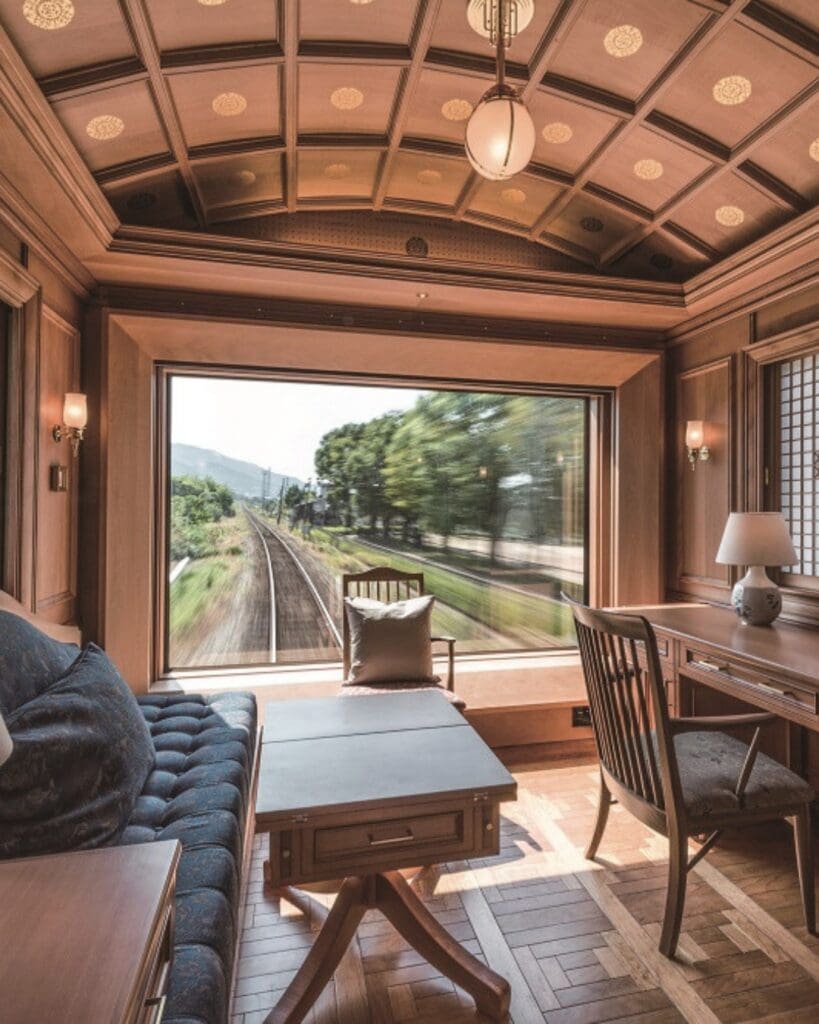
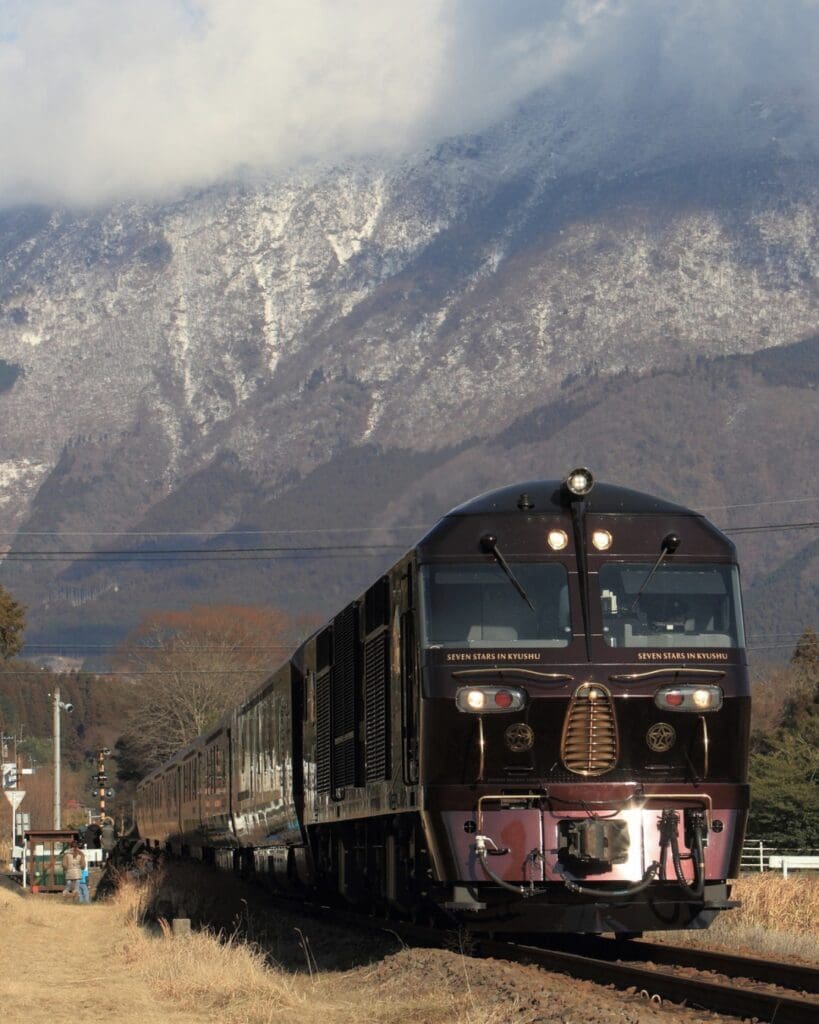
Kyushu changes the railway experience again. Seven Stars in Kyushu is a seven-car sleeper train with multi-day journeys built around the island’s landscapes, food and crafts. Stops take passengers away from the railway into smaller communities, hot-spring towns and workshops, making the journey itself as interesting as the places it connects.
Spaces are limited, so securing the Seven Stars dates first gives the rest of the itinerary something to work around. Our team and partners in Japan can also take care of rail reservations, private guides and luggage forwarding, particularly useful when a ryokan stay or mountain detour takes you away from the main railway route.
7. Namibia from the air
Sossusvlei → Damaraland → Skeleton Coast
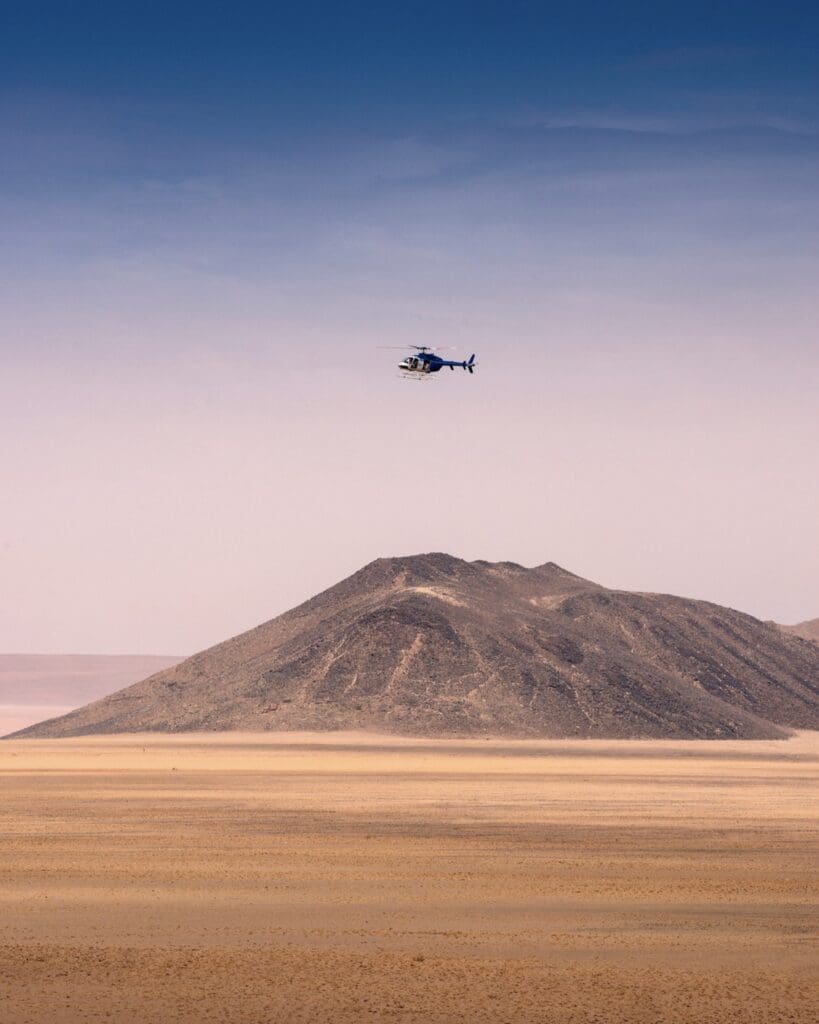
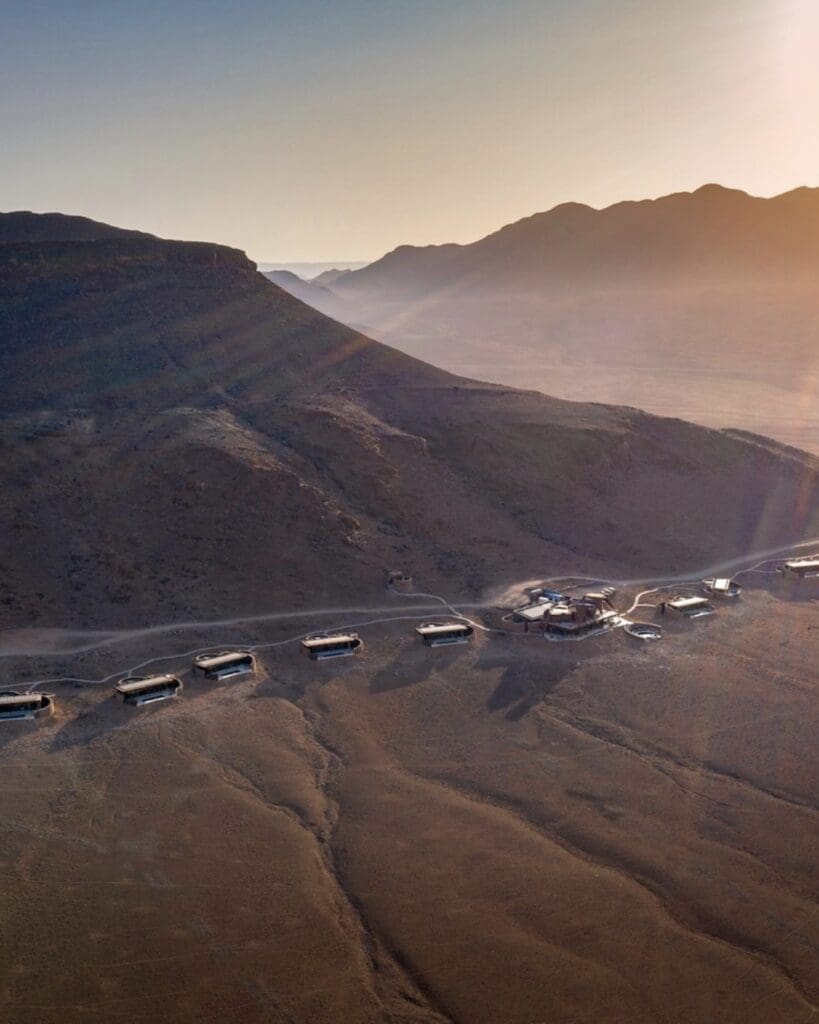
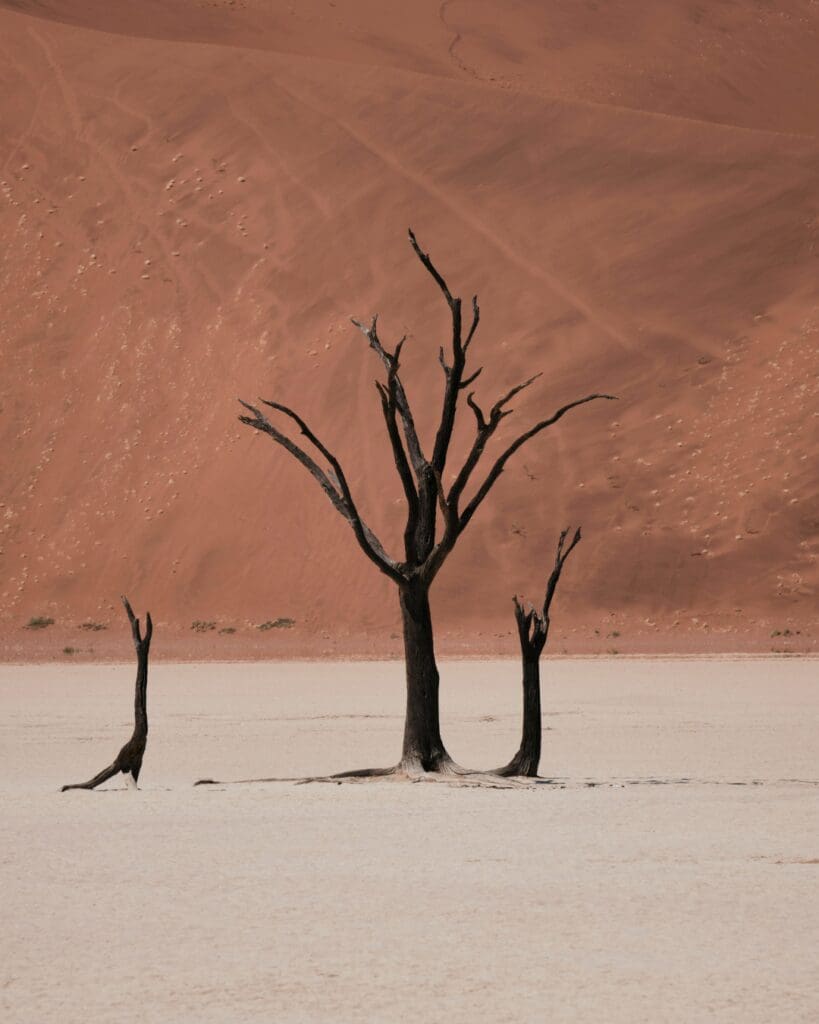
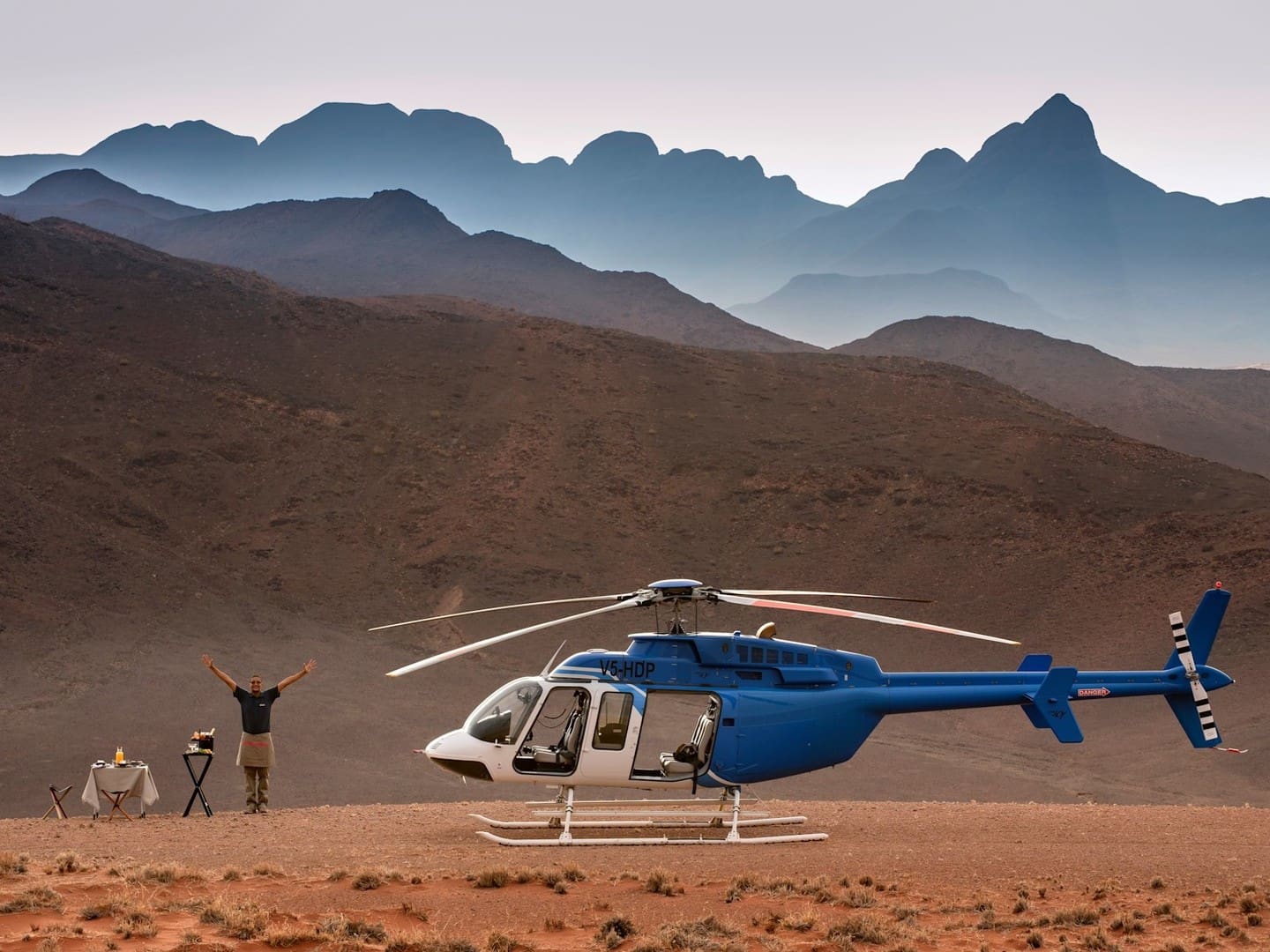
Namibia is made for a journey that covers some ground. The landscapes change enormously as you travel north, from the great dune fields of the Namib to the rocky wilderness of Damaraland and, eventually, the foggy Atlantic coastline of the Skeleton Coast. The distances are vast, which is why travelling between camps by light aircraft works so beautifully here.
Begin around Sossusvlei, where &Beyond Sossusvlei Desert Lodge and Wilderness Little Kulala are two very different options in extraordinary desert settings. Early mornings are for Sossusvlei and Deadvlei, where enormous red dunes surround a white clay pan scattered with ancient camel-thorn trees. There are desert walks, scenic drives and stargazing too, and at &Beyond, the observatory and resident astronomer make such good use of some of the clearest night skies in southern Africa.
From here, the little aircraft is part of the experience. The view below shifts from dunes to mountains and dry riverbeds as you travel north towards Damaraland and the Kaokoveld, where desert-adapted elephants move through seemingly empty landscapes and specialist conservation teams track black rhinos.
Further north, Wilderness Hoanib Skeleton Coast Camp takes you into an even more remote corner of the country. Days might be spent following desert-adapted wildlife through the Hoanib riverbed or travelling towards the Atlantic, where cold ocean currents create great banks of fog, Cape fur seals gather along the shoreline and shipwrecks lie among miles of sand.
One of the most memorable ways to experience this part of Namibia is to travel overland towards the Skeleton Coast before returning by air. By then, those flights have become much more than a convenient way of covering the distances. From above, you begin to understand the sheer scale of the place, and why travelling through Namibia is every bit as interesting as the individual camps.
8. Cairo and the Nile
Cairo → Luxor → Nile → Aswan → Abu Simbel
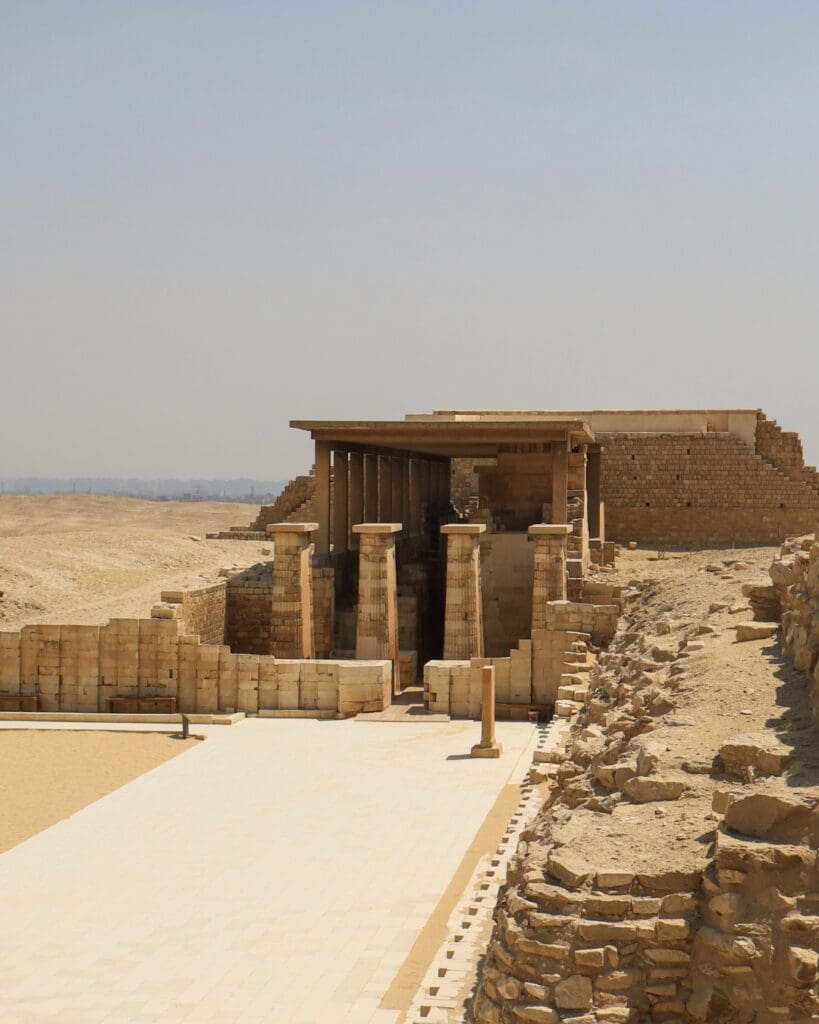
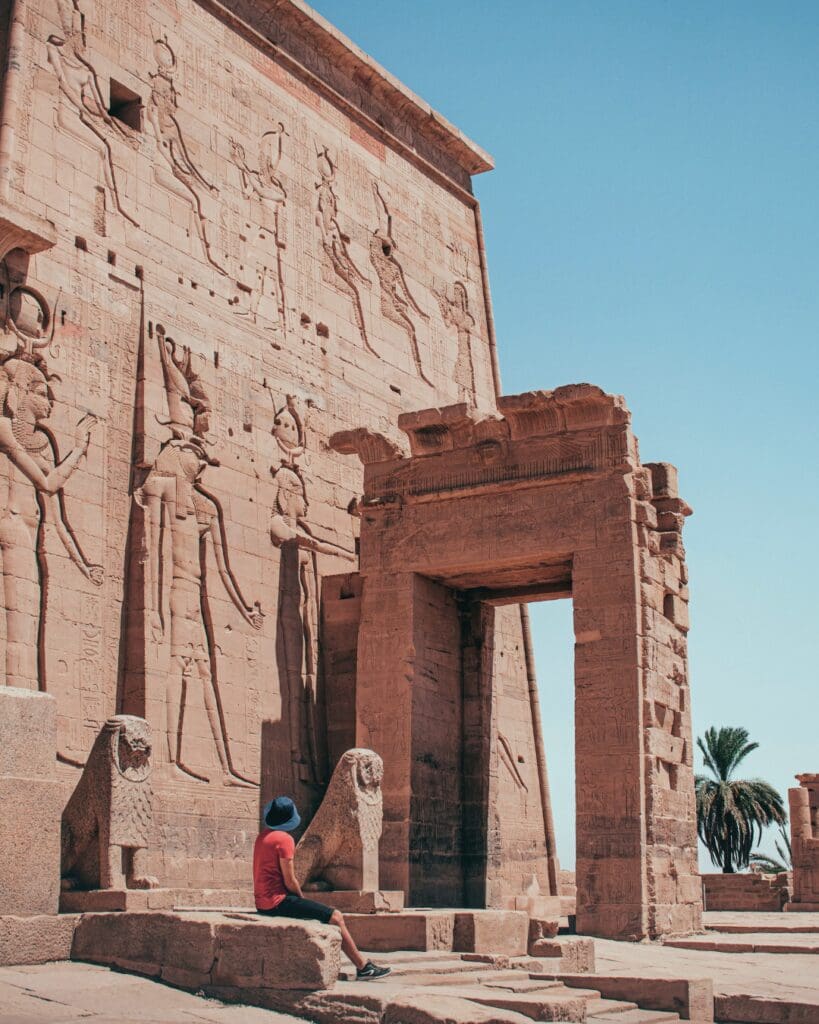
Give Cairo a few days before heading south. Giza is the obvious appointment, but Saqqara, the city’s museums and Islamic Cairo give the pyramids far more context than a single morning ever could. Four Seasons Hotel Cairo at Nile Plaza makes a beautiful base on the river, and a private Egyptologist can shape the days around the sites you’re most interested in rather than a standard sightseeing circuit.
That same expertise becomes even more valuable as you travel south. Fly to Luxor and stay before boarding the boat, giving Karnak the time it deserves and crossing to the west bank for the Valley of the Kings, the Temple of Hatshepsut and some of the smaller tombs beyond the headline sites.
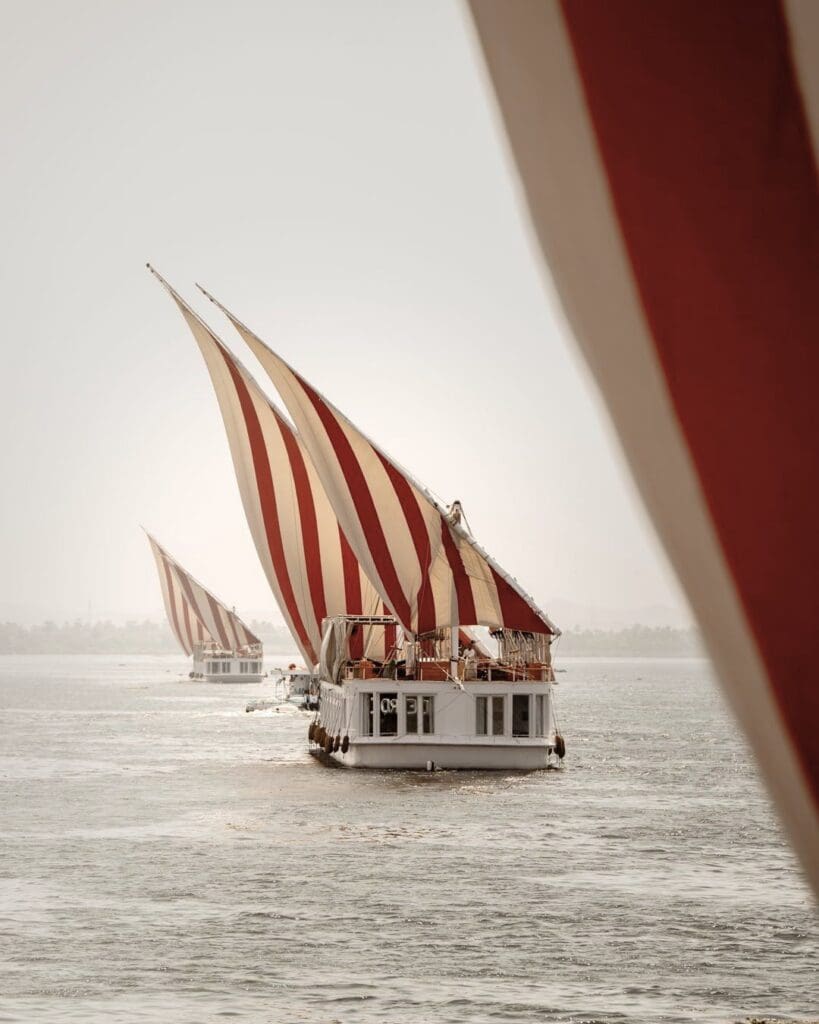
There are some wonderful ways to travel the Nile now. Nour El Nil has a fleet of beautifully designed dahabiyas sailing the quieter stretch between Esna and Aswan, mooring at riverbanks and smaller sites that the larger ships cannot always access. Its newest boat, Dendera, is the most spacious in the fleet, with panoramic suites looking directly onto the river. For more of a luxury river ship experience, Uniworld’s S.S. Sphinx has 42 suites, French balconies, a swimming pool and two restaurants.
The choice changes the pace of the trip. A dahabiya is about sailing slowly, smaller numbers and evenings moored along quieter stretches of river; a larger ship brings more space and facilities on board. Either way, the days move between archaeological sites and life on the Nile, with farmland and palms hugging the banks before giving way abruptly to desert.
Finish in Aswan, with Philae and a felucca around the islands, followed by Abu Simbel. After travelling south with an Egyptologist, the temples cut into the mountainside for Ramesses II no longer feel like an isolated monument at the end of the holiday. They’re connected to everything you’ve been seeing since Cairo.
Where would we start?
You don’t need to arrive with the itinerary worked out. Wildlife might be the starting point, or a train you’ve wanted to board for years. Perhaps Antarctica has been sitting on the list for decades, or Bhutan has moved several places higher after reading this.
That’s where our relationships become useful. RASK works closely with the hotels, lodges, cruise lines and rail companies featured here, as well as specialist teams on the ground who know the guides, aircraft, boats and smaller experiences that you might not otherwise find.
They can tell us which Botswana concession is interesting at the time you’re travelling, which Galápagos route matches the wildlife you’re hoping to see, whether to spend another night in Gangtey or which cabin makes sense aboard the Venice Simplon-Orient-Express.
Bring us the idea. We can work out where it leads.
Have an Incredible Journey in mind? Speak to the RASK team and we’ll start planning.


