
Japan is a country that rewards those who look a little closer. Beyond Tokyo’s extraordinary restaurant scene, Kyoto’s famous temples and the reassuring precision of its bullet trains lies a world of private gardens, centuries-old rituals, remarkable artisans and traditions that remain very much alive.
Some of the most memorable encounters require a little more than a reservation. An introduction to a respected master, access to a temple after the gates have closed, or an invitation into a workshop where techniques have been refined over generations. These are the experiences that reveal the extraordinary depth of Japanese culture.
At RASK Travel, our relationships with trusted specialists on the ground allow us to approach Japan with an insider’s perspective. We build each journey around the people travelling, drawing on local expertise to arrange exceptional encounters, thoughtful itineraries and stays at some of the country’s most beautiful addresses.
Here are five experiences that deserve a place on the itinerary.
1. After-Hours Temple Access and the Art of Kaiseki in Kyoto
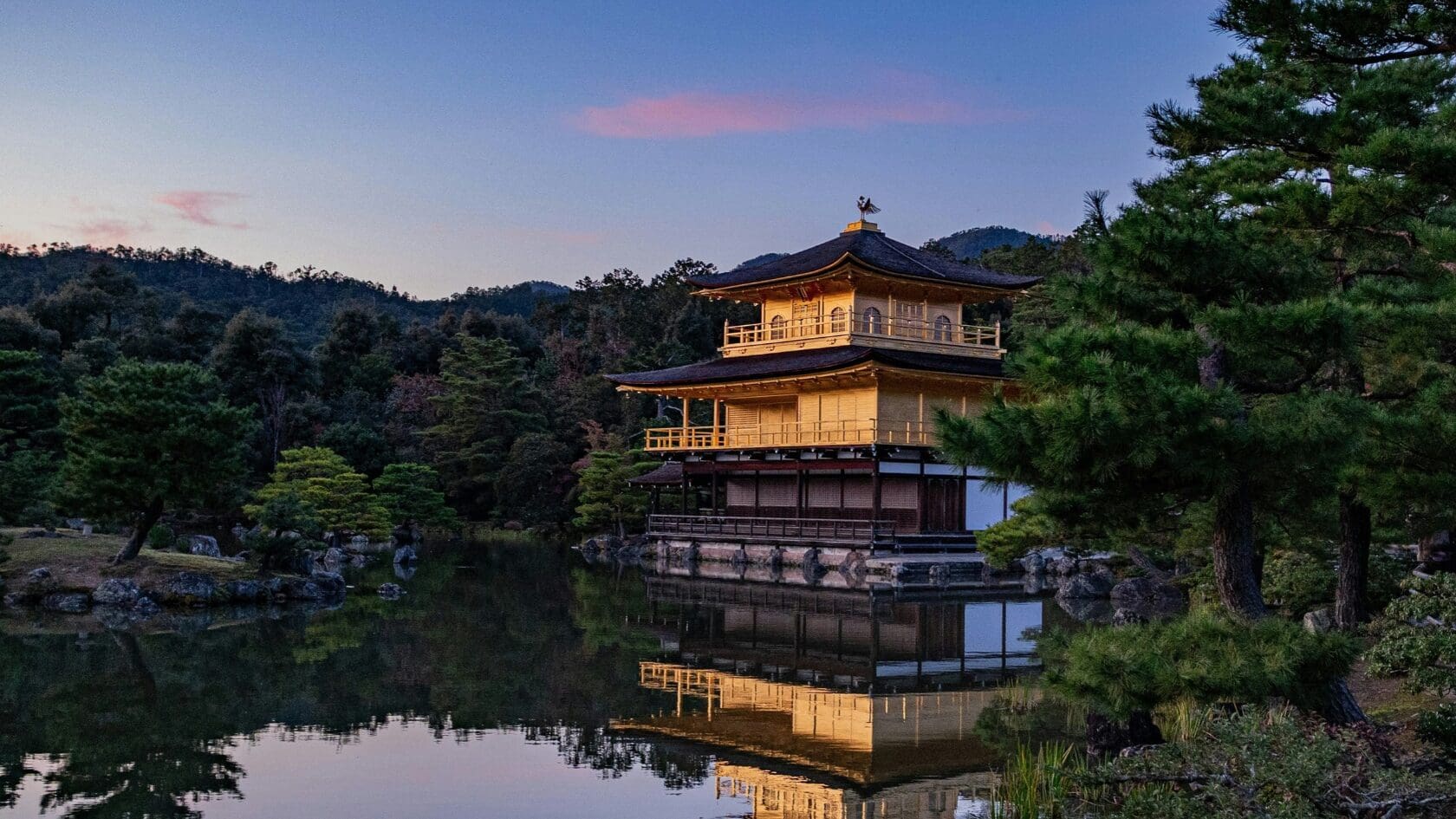
Kyoto’s temples are among Japan’s greatest cultural treasures, although appreciating their finer details can be challenging when you’re sharing the experience with several hundred other visitors.
Imagine arriving after the gates have closed, when the gardens have emptied and the evening light begins to settle across the wooden verandas. Through carefully arranged private access, certain historic temples can be experienced in an entirely different atmosphere, accompanied by someone who understands the significance of the architecture, gardens and rituals.
At Ninna-ji, a UNESCO World Heritage Site founded in 888, specialist programmes can offer access to areas normally closed to visitors. Elsewhere in Kyoto, private introductions to Buddhist priests and opportunities to explore Zen philosophy can provide a fascinating perspective on the city’s spiritual heritage.
Another possibility is Kinkaku-ji, Kyoto’s celebrated Golden Pavilion, whose upper floors are covered in gold leaf and reflected in the still waters of its surrounding pond. Originally built as a retirement villa for the shogun Ashikaga Yoshimitsu, it’s one of Japan’s most recognisable landmarks.
The evening could continue with an intimate kaiseki dinner, perhaps arranged in a private dining room with a celebrated chef. Rooted in Japanese tea culture, kaiseki is an elaborate expression of seasonality, with each course reflecting the ingredients, colours and traditions of a particular moment in the year.
Even the tableware has a story. A ceramic bowl might have been made by a local artisan, while the arrangement of a dish could reference a seasonal festival or a particular landscape. It’s an extraordinary amount of thought to put into dinner, and the results can be exquisite.
Where we’d stay: Hidden within a secluded garden in Kyoto’s northern hills, Aman Kyoto really is a private sanctuary, with minimalist pavilions, ancient woodland and a beautiful onsen. For those who prefer to be closer to the city’s cultural heart, Six Senses Kyoto offers a contemporary interpretation of Japanese craftsmanship and wellness, within easy reach of historic Higashiyama.
2. Discover Naoshima’s Extraordinary Art Collection by Private Charter
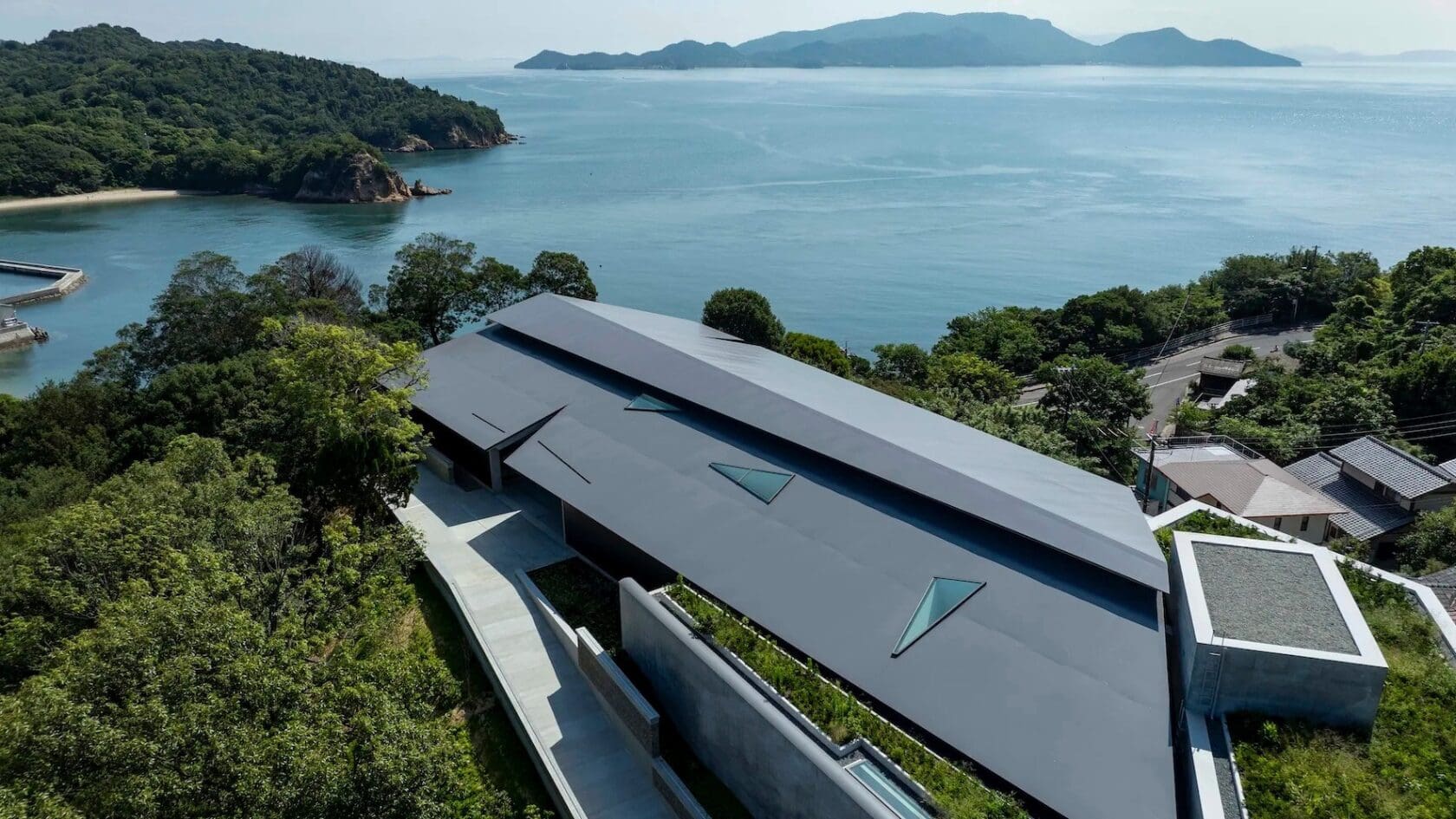
For anyone with an interest in contemporary art or architecture, Naoshima is essential. This small island in the Seto Inland Sea has become one of the world’s most remarkable cultural destinations, thanks largely to the vision of the Benesse Art Site Naoshima project and its long-standing collaboration with architect Tadao Ando.
Arriving by privately chartered boat is a beautiful introduction. The Seto Inland Sea is scattered with hundreds of islands, their forested hills rising from remarkably calm waters. Naoshima’s architecture appears gradually along the coastline, with galleries and installations incorporated into the landscape.
The island’s most celebrated institution is the Chichu Art Museum, designed by Ando and built largely underground. Its collection includes five original paintings from Claude Monet’s Water Lilies series, displayed in a remarkable naturally illuminated gallery. Works by James Turrell and Walter De Maria occupy equally extraordinary spaces, where architecture, light and art are inseparable.
Elsewhere, Yayoi Kusama’s famous pumpkins punctuate the coastline, while the Art House Project has transformed traditional buildings in the village of Honmura into installations by contemporary artists.
With a specialist art historian or curator-level guide, the island becomes an opportunity to explore the ideas behind the work, from Ando’s architectural philosophy to the relationship between art and the natural environment. For collectors and serious enthusiasts, our local specialists can help shape the visit around particular interests, subject to the access available at the time.
Where we’d stay: Benesse House, also designed by Tadao Ando, offers the rare pleasure of staying within an art museum. Certain works can be enjoyed by hotel guests outside normal public visiting hours, making an overnight stay especially rewarding. Alternatively, Naoshima can be incorporated into a longer private journey through western Japan.
3. Discover Japan’s Art of Rail Travel Aboard the Seven Stars
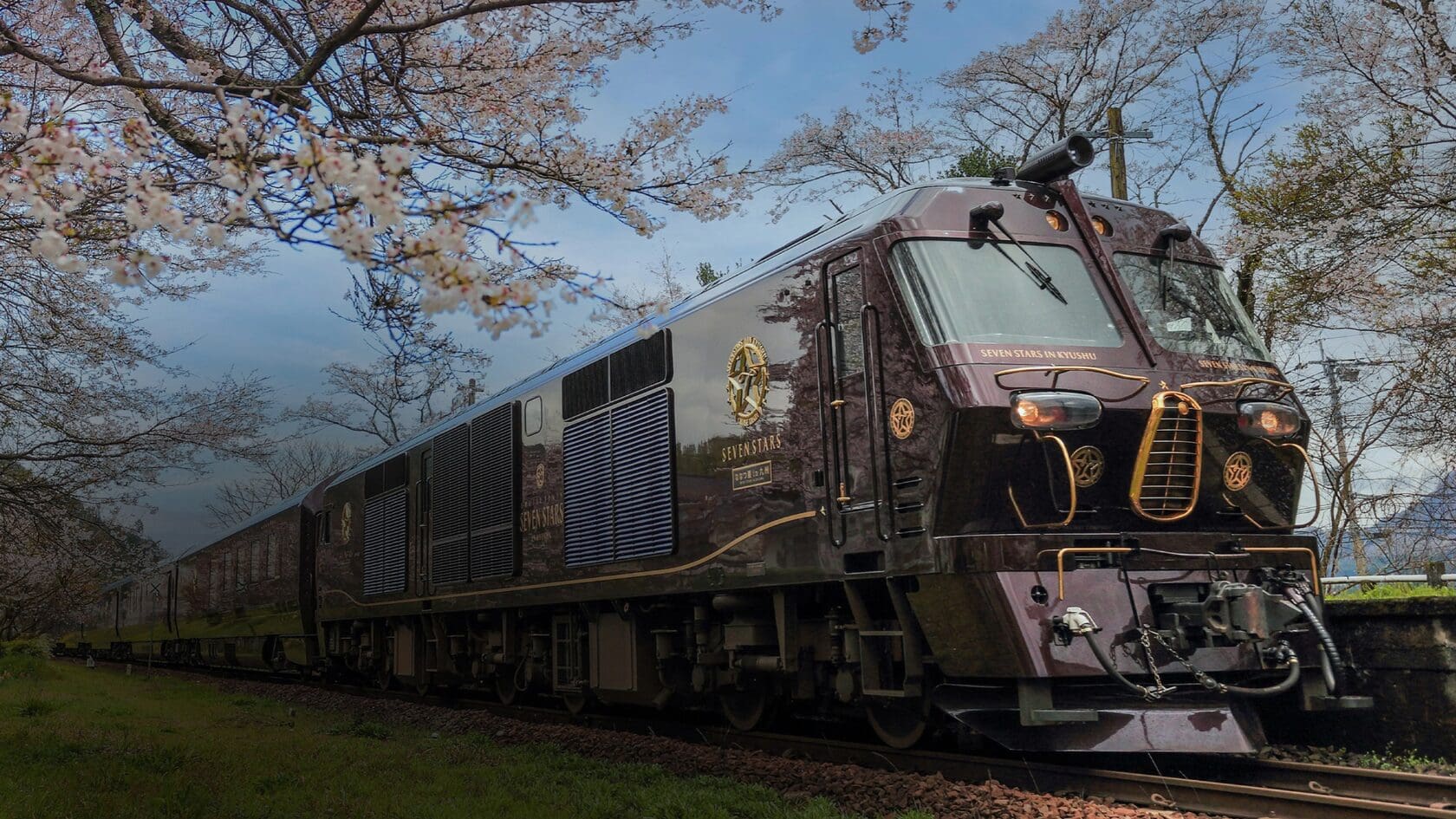
Japan’s relationship with trains borders on an obsession, and frankly, the rest of the world could learn a thing or two. The Shinkansen has been making other countries’ rail networks look faintly disorganised since 1964, but Japan’s most extraordinary railway experiences have little interest in breaking speed records.
Take the Seven Stars in Kyushu, a beautifully crafted sleeper train that travels through Japan’s southernmost main island. Its deep burgundy carriages conceal a world of polished wood, intricate marquetry, handcrafted furnishings and a rather splendid lounge where live piano music accompanies the evening.
The train itself is a celebration of Japanese craftsmanship, with interiors drawing on the artistic traditions of Kyushu. Beyond the windows, the scenery shifts between volcanic mountains, rice fields and historic towns, with carefully planned stops introducing guests to regional culture and local communities.
Dining is a major part of the experience, with seasonal menus showcasing Kyushu’s ingredients and culinary traditions. The journeys span two or four days, allowing time to appreciate a part of Japan that many international visitors never reach.
For travellers drawn to contemporary design, Train Suite Shiki-shima offers another fascinating interpretation of luxury rail travel, with champagne-gold carriages and spectacular observation windows framing the landscapes of northern Japan.
These are journeys worth planning well in advance, with limited accommodation and highly competitive application processes. Our local specialists can advise on the available routes and help incorporate a luxury rail journey into a wider Japanese itinerary.
Where we’d stay: A luxury sleeper train is an experience in its own right, but we’d recommend combining the journey with a stay in Fukuoka, Kyushu’s lively gateway city, before continuing to the hot springs, historic towns and remarkable landscapes of southern Japan.
4. Experience Traditional Japanese Hospitality in the Shadow of Mount Fuji
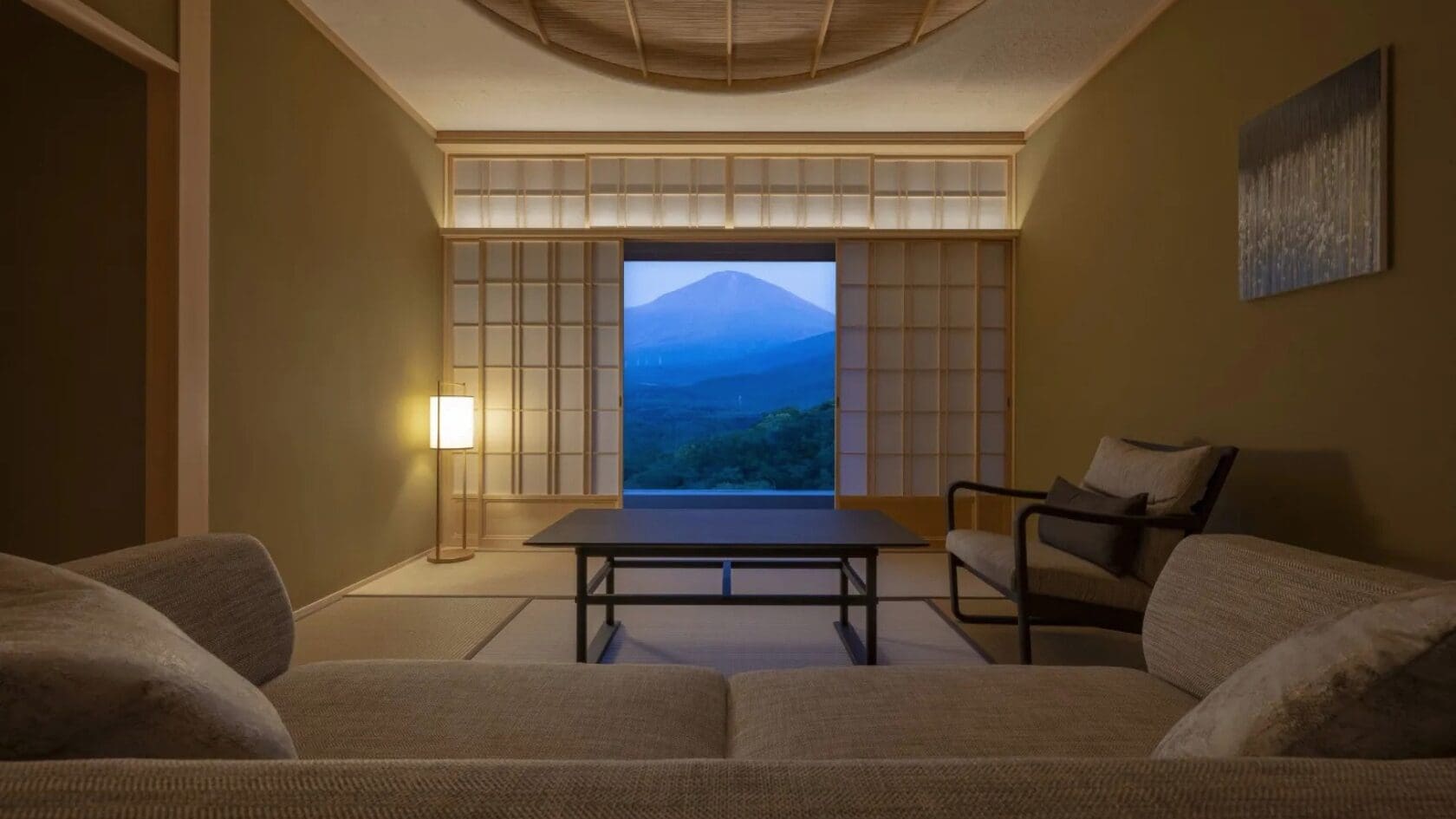
The Japanese have elevated hospitality to something of an art form, and few places demonstrate this quite as beautifully as Gora Kadan. The celebrated ryokan in Hakone, once associated with the Japanese imperial family’s summer residence, has long been considered one of the country’s finest places to experience traditional Japanese hospitality.
Now, the family has opened Gora Kadan Fuji, a spectacular new retreat at the foot of Mount Fuji. Opened in 2025, the property brings centuries-old ryokan traditions into a contemporary setting, with 39 suites and three villas overlooking Japan’s most famous mountain.
Expect exquisite craftsmanship, from ancient cedar and volcanic stone to carefully chosen ceramics, alongside private bathing facilities and beautifully considered interiors. Dining is an experience in itself, with seasonal kaiseki menus, intimate sushi counters and teppanyaki showcasing the precision of Japanese cuisine.
At the heart of it all is omotenashi, Japan’s philosophy of intuitive hospitality, where the smallest details are often the most memorable. We’d recommend allowing at least two nights to settle into the rituals of ryokan life, with time to explore the surrounding landscapes and, of course, admire Mount Fuji in all its glory.
Where we’d stay: Gora Kadan Fuji for its extraordinary setting, contemporary Japanese design and spectacular mountain views. The original Gora Kadan in Hakone is equally compelling for those drawn to its imperial heritage and more traditional atmosphere.
5. Meet Japan’s Master Craftspeople in Kanazawa
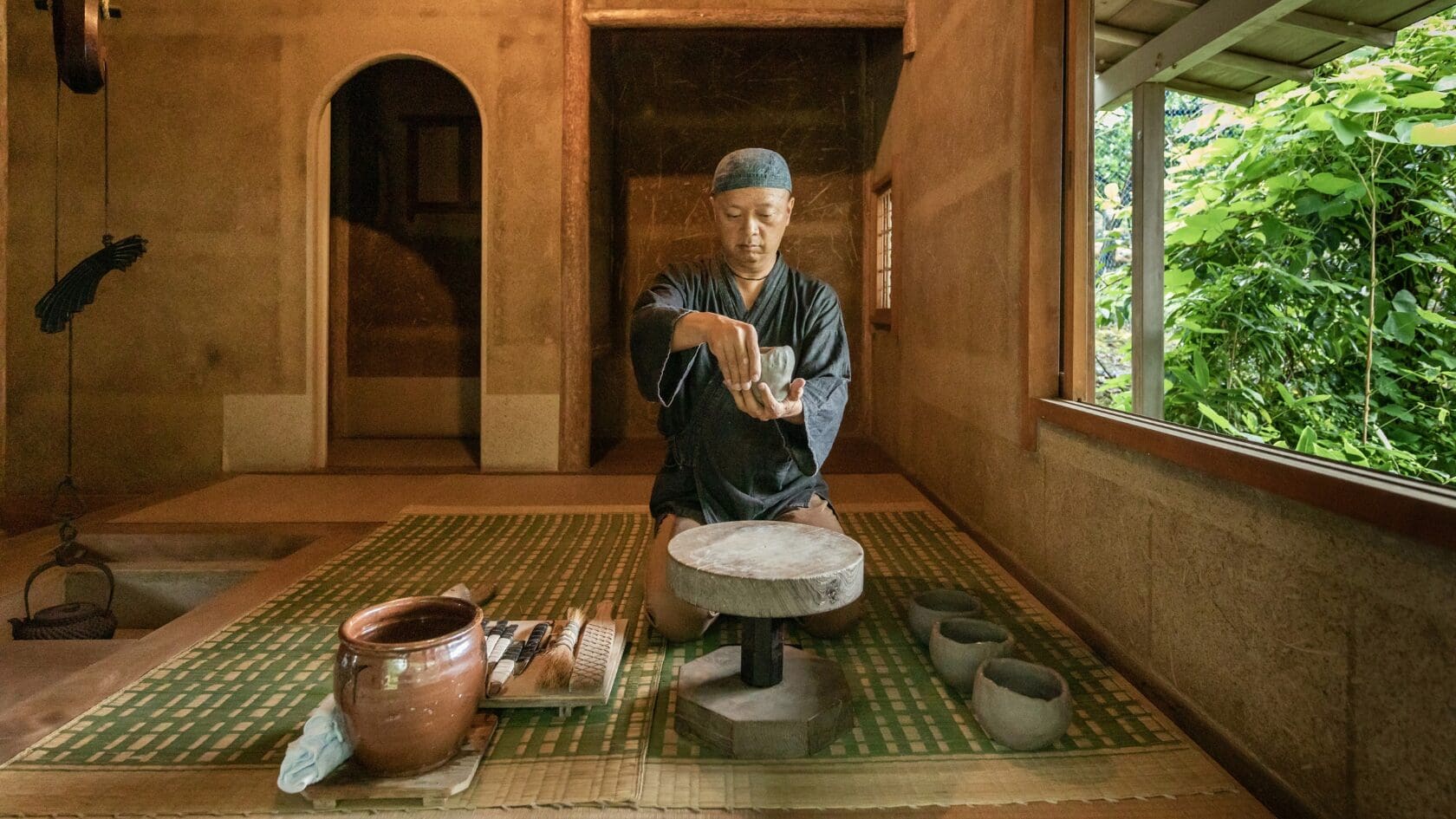
In Japan, craftsmanship is a serious business. Certain techniques have been passed down through generations for hundreds of years, with artisans dedicating entire careers to perfecting a single discipline.
Kanazawa, on the country’s western coast, is one of the finest places to explore this extraordinary heritage. Once an influential castle town, it remains celebrated for its traditional arts, particularly gold leaf, lacquerware, ceramics and silk dyeing.
Through our specialist contacts, we can explore opportunities for private introductions to master craftspeople, offering a chance to visit workshops, understand the techniques involved and, where appropriate, participate in a carefully guided session.
The city’s gold-leaf artisans are especially fascinating. Kanazawa produces the vast majority of Japan’s traditional gold leaf, which is beaten into sheets so fine they can be carried away by the slightest movement of air. Ceramics offer another compelling avenue. The colourful Kutani ware tradition is known for its elaborate decoration, while contemporary Japanese ceramicists continue to reinterpret centuries-old techniques.
For travellers with a particular interest in art, collecting or design, we can work with our local experts to develop more specialised encounters, perhaps focusing on a particular medium or visiting a workshop connected to an established artistic lineage. It’s a wonderful opportunity to meet the people preserving Japan’s cultural identity and to appreciate the extraordinary dedication behind objects that are so easily taken for granted.
Where we’d stay: Asadaya Ryokan has been welcoming guests since 1867, and remains one of Kanazawa’s most distinguished traditional inns. Intimate, wonderfully atmospheric and celebrated for its exquisite seasonal kaiseki cuisine, it’s a beautiful expression of the city’s artistic and culinary heritage. Expect tatami-matted rooms, impeccable hospitality and the sort of attention to detail that makes you appreciate just how seriously Japan takes the art of looking after its guests.
How Can You Experience a Different Side of Japan?
The best place to start is with what fascinates you. Perhaps it’s contemporary art, centuries-old craftsmanship, Japan’s extraordinary culinary traditions or the chance to understand a culture through the people who keep it alive. With so much to discover, the most rewarding itineraries are those shaped around individual interests, with enough time to appreciate the details.
That’s where having the right people on the ground makes all the difference. At RASK Travel, we work closely with trusted local experts who can make thoughtful introductions, arrange specialist guides and open doors to experiences that aren’t always available through conventional travel planning. From private cultural encounters to beautifully chosen hotels, we take care of the logistics while leaving room for the unexpected.
Whether it’s your first visit or your fifth, we’d love to show you a side of Japan you haven’t met yet.
Ready to explore Japan? Get in touch with RASK Travel, and let’s start planning something extraordinary.


