
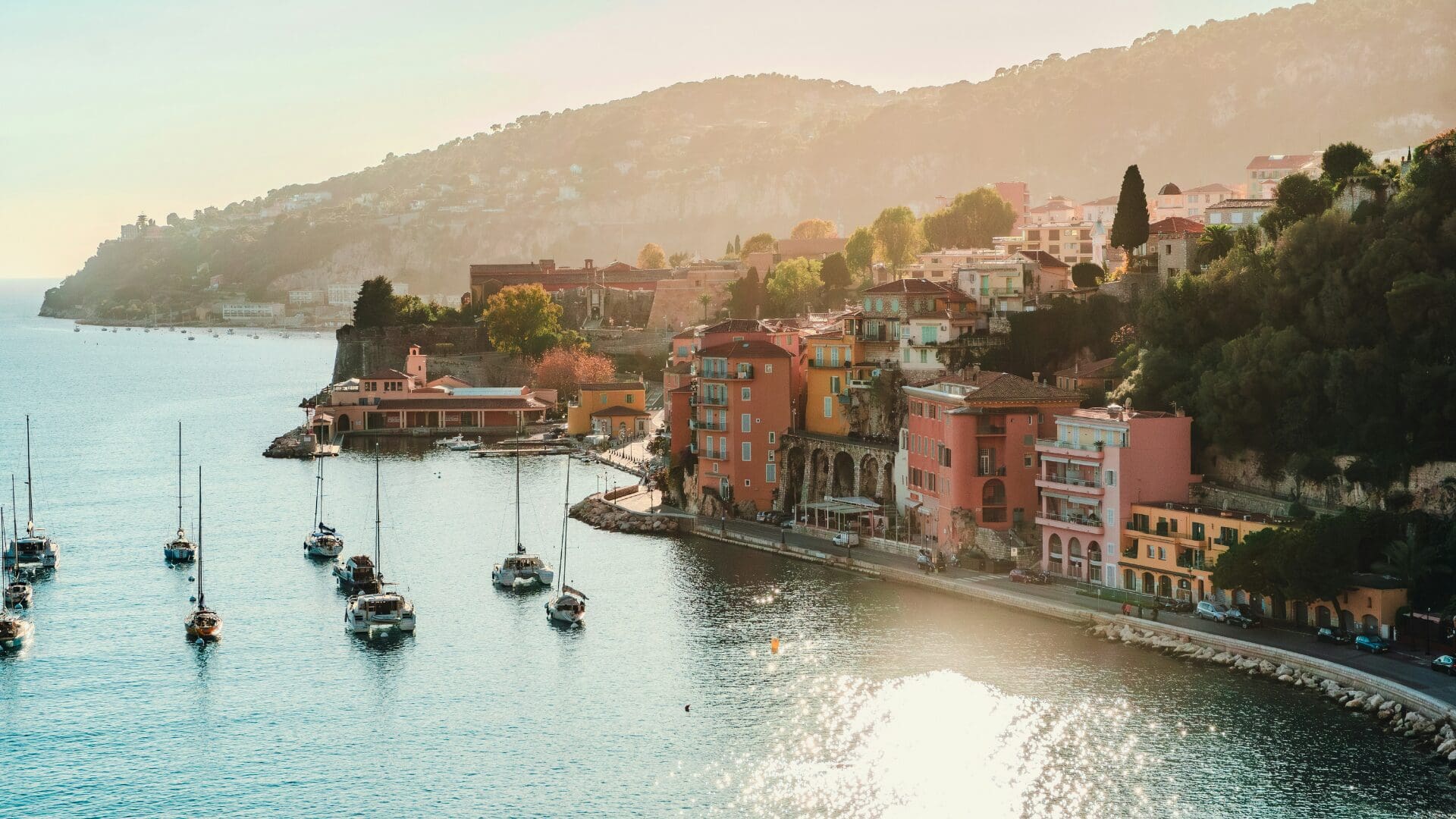
May is when our attention well and truly turns to travel again.
The Easter break has come and gone, routines settle back into place, and there’s that familiar shift towards what’s next – early summer plans, long weekends carved out around the bank holidays, or simply the first trip that feels like a real change of scene after a slower start to the year.
It’s also one of those months that always overdelivers.
Across Europe, beach hotels begin to reopen along the Mediterranean, cities warm up without becoming hard work, and coastlines feel alive again after winter. A few hours further afield, conditions sharpen in places that only really offer it for a short stretch – whether that’s clearer skies in the Andes or the early stages of safari season as landscapes begin to dry out.
And then there’s the practical side of it, which tends to matter more than people admit. Flights are still relatively straightforward, the right hotels haven’t quite filled out, and you’re not yet moving at the pace that defines June onwards.
All of which makes May a surprisingly good time to go almost anywhere – with a bit of direction.
Here are a few places that stand out this month, whether you’re thinking about a last-minute escape or getting ahead of the next one.
Kyoto, Japan
Late May in Kyoto lands just after Golden Week, when domestic travel drops off and the city resets. The peak cherry blossom crowds are gone, leaving a version of Kyoto that feels far more measured.
This is when the gardens shift – moss at Saiho-ji is at its most vivid after spring rains, and the greenery begins to take over from the earlier blossom season. It’s less spectacle, more depth.
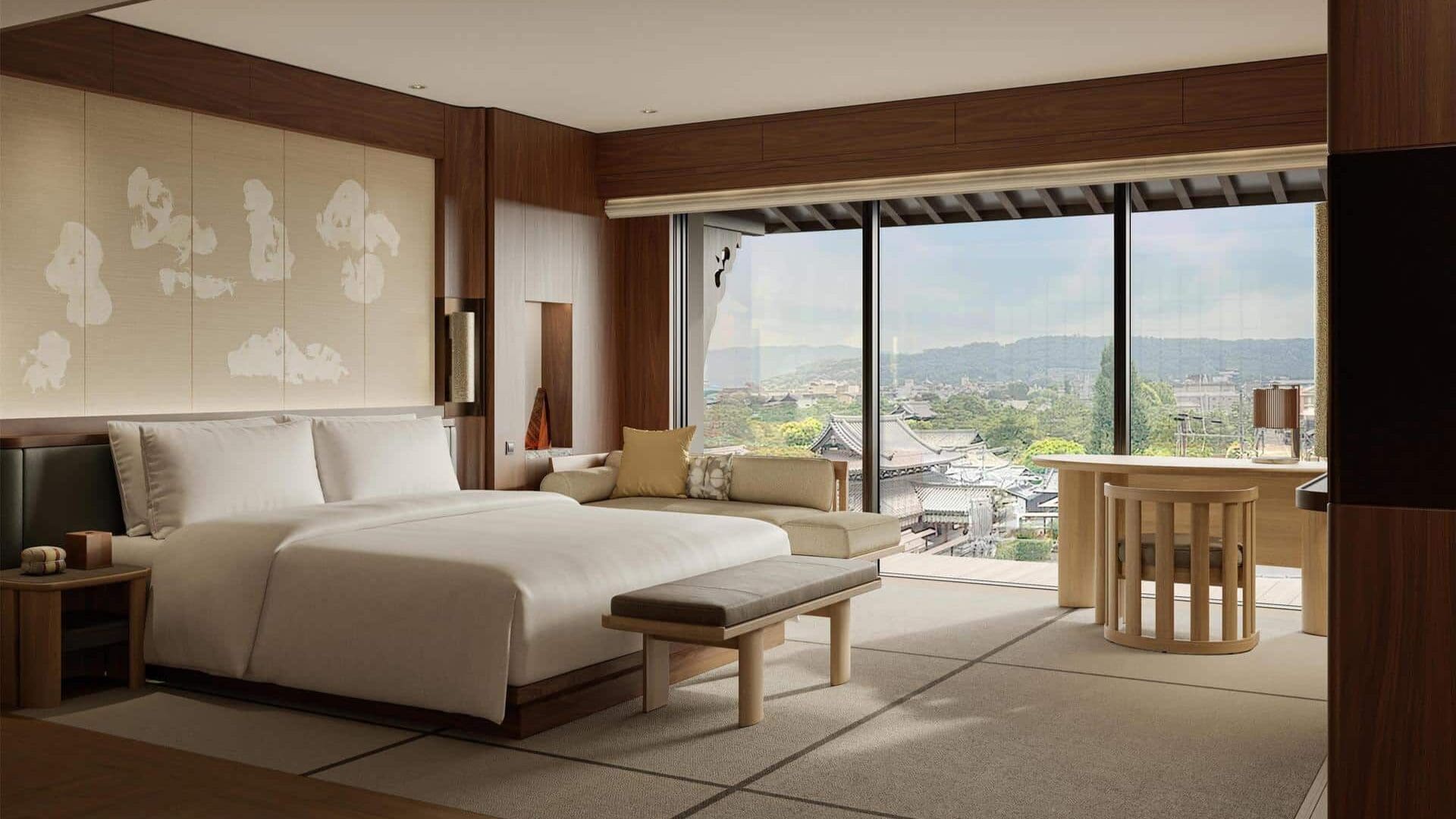
We recently sent a lovely couple to Capella Kyoto, which has just opened in the Higashiyama district. It’s a thoughtful addition – low-slung, quietly detailed, and very much in step with its surroundings – and makes an excellent base for exploring this side of the city on foot.
Temperatures sit comfortably in the low to mid-20s, making longer days on foot far more manageable than the humidity that builds into June.
Puglia, Italy
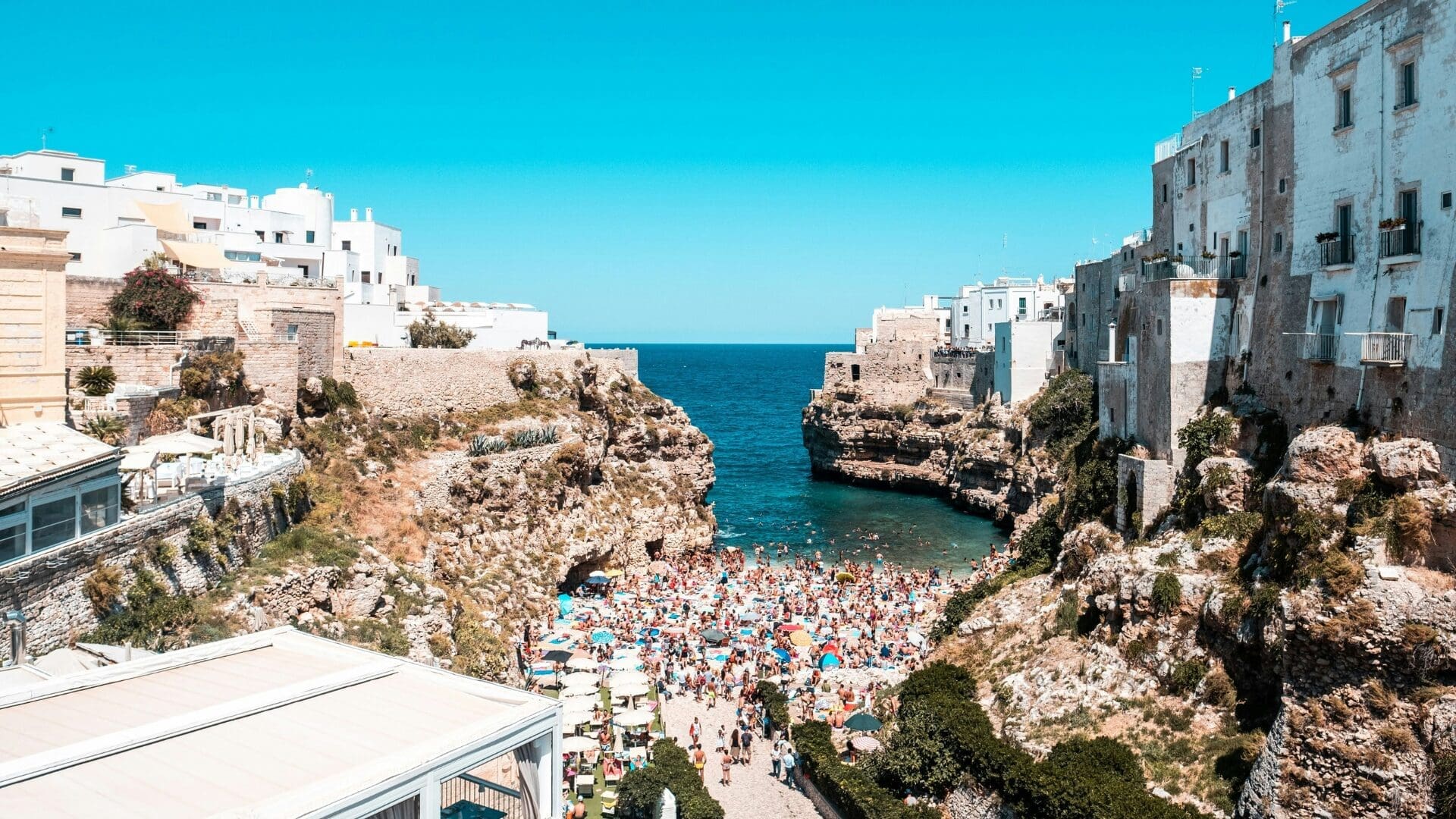
Before southern Italy tips into July and August, May is when Puglia is at its most workable. Days sit in the low to mid-20s, evenings cool off slightly, and the landscape still has colour – wildflowers running through the olive groves, citrus trees in season, and none of the dry, bleached look that comes later.
Ostuni and Lecce both feel active without being overrun. In Lecce, you can move between baroque churches and small wine bars without queues forming behind you, and in Ostuni, the old town still feels like somewhere people live, rather than just pass through. Along the coast, places like Polignano a Mare and Monopoli start to come back to life – boats out, restaurants open – but without the summer density.
Where you stay really shapes the trip. Masseria Moroseta is one of the more considered options – minimalist, just a handful of rooms, with a strong focus on food (much of it grown on-site) and a slower pace that suits this time of year. At the other end, Borgo Egnazia has scale – multiple restaurants, beach access, a proper spa, and a real sense of ‘village’ life.
Food is a big part of why Puglia works so well in May. This is when menus lean into what’s local – fava beans, asparagus, early tomatoes – and long lunches outside still feel comfortable.
The sea is still on the cooler side, so it’s not really about full beach days. It’s more about moving around – Lecce in the morning, a long lunch inland, then the coast later in the day – without having to book every stop ahead of time. That freedom doesn’t last long once June arrives.
Namibia, Africa
May marks the start of Namibia’s dry season, and the shift is immediate. Vegetation thins out, water sources become more important, and wildlife starts to concentrate – particularly in areas like Etosha, where sightings become far more consistent.
But Namibia isn’t only about game drives. A large part of its appeal is the scale and contrast – dunes, salt pans, dry riverbeds – and how different each region feels as you move through it.
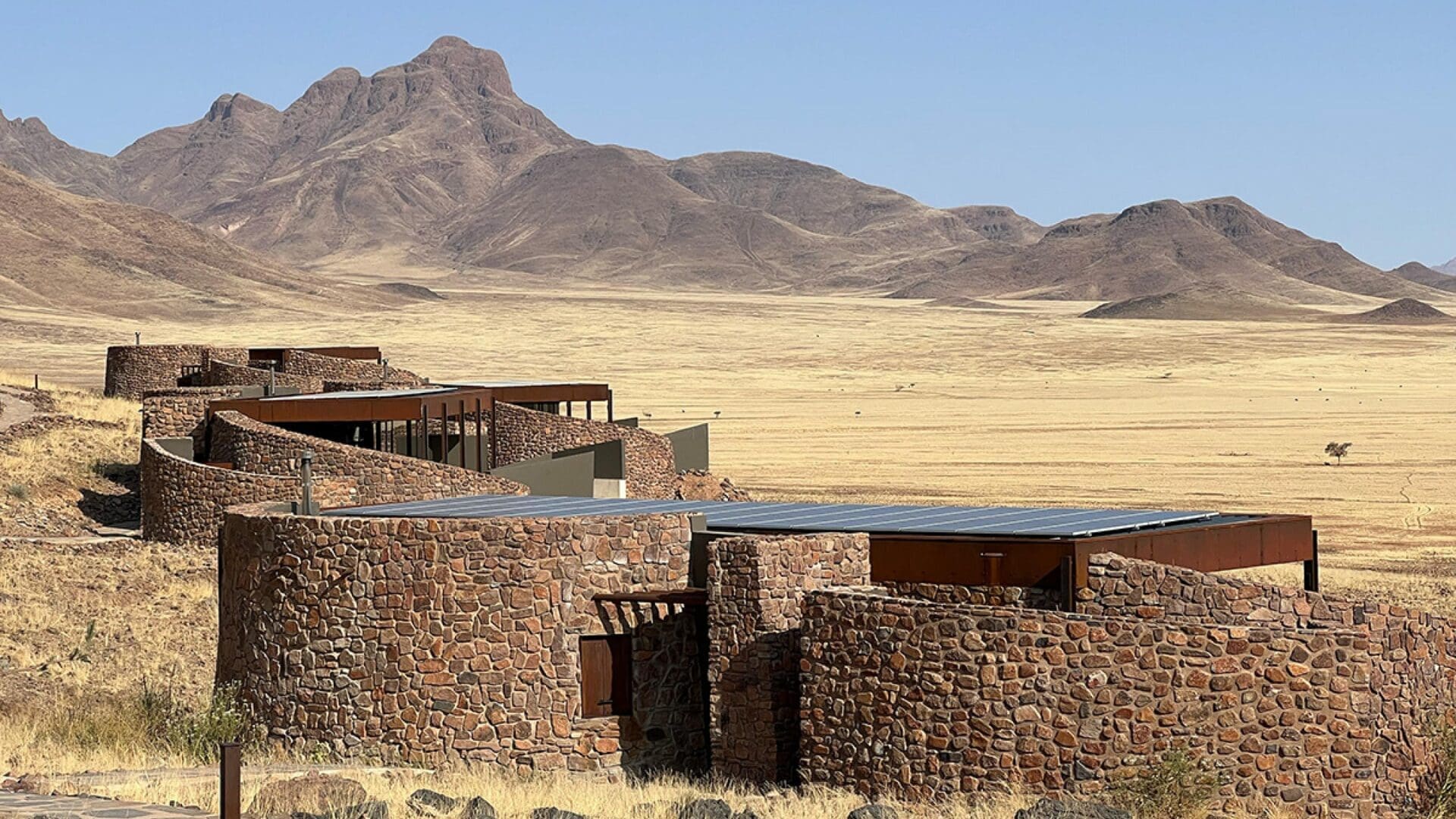
One of our favourites here is andBeyond Sossusvlei Desert Lodge, set deep within a vast private reserve in the Namib Desert. It’s a very specific experience: just ten villas, all glass and stone, positioned to face out over the desert, with skylights above the beds for stargazing. Days start early – out into the dunes or towards Deadvlei – then slow right down through the middle of the day before picking up again in the late afternoon. Evenings are spent outside, or at the observatory, where the night skies are some of the clearest you’ll see anywhere.
Looking ahead, Namibia is also one of the more interesting places for new openings. We’re keeping a close eye on Vestige Collection Namibia, launching in autumn 2026, which will introduce a small circuit of lodges across very different landscapes – from Etosha-adjacent private reserves to more remote desert and Kalahari settings.
If it lands as expected, it should add something quite different to the current offering – more design-led and spread across regions that aren’t always easy to access at this level.
The French Riviera
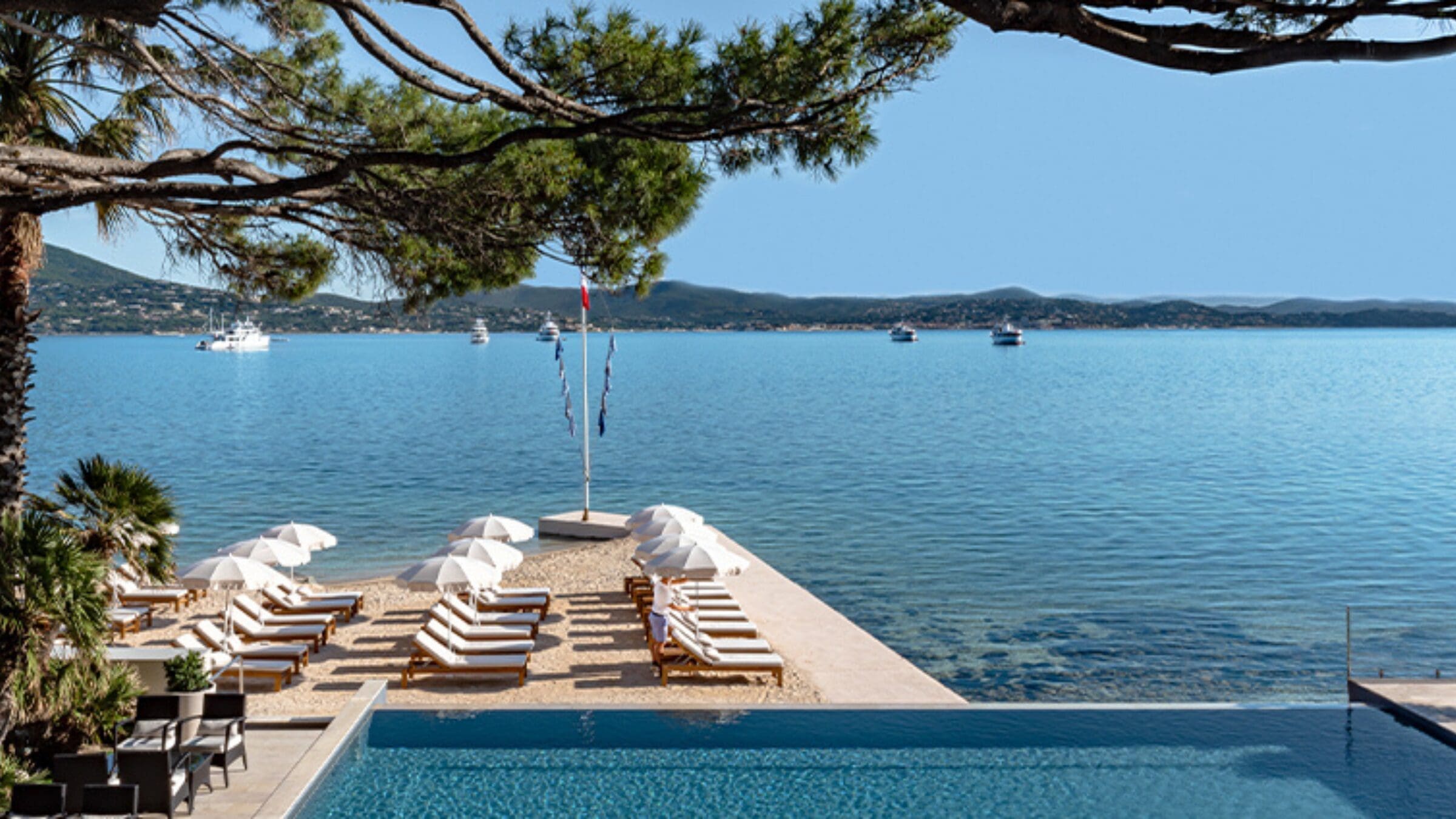
The Riviera in May sits in a very specific window, shaped loosely around the Cannes Film Festival. There’s a noticeable lift across the coast – restaurants open, beach clubs set up, hotels fully running – but it hasn’t tipped into the pace of high summer.
Cannes itself is busy during the festival, but you don’t need to stay there to feel it. Bases like Cap d’Antibes or Saint-Tropez make more sense – close enough to dip in, but far easier to navigate day to day.
Hôtel du Cap-Eden-Roc from Oetker Hotels is a good example of why May works so well. You have full access to the property – the gardens, the rock-carved saltwater pool overlooking the Mediterranean, the restaurants – but without the pressure that comes later in the season, when everything needs to be booked well in advance.
Further along the coast, Cheval Blanc St-Tropez is one of the more polished options in town – right on the water at Plage de la Bouillabaisse, with its private beach, jetty lined with sun loungers, and La Vague d’Or restaurant giving it a bit more substance than many of the beachfront hotels nearby.
For something more wellness-led, Lily of the Valley is a strong contrast. Set back in the hills above Gigaro Beach, it’s centred around structured wellness programmes – nutrition, sport, weight management – with a large outdoor pool, open terraces, and direct access down to one of the quieter stretches of coastline. It’s less about the Riviera scene and more about switching off for a few days.
Peru (Cusco & The Sacred Valley)
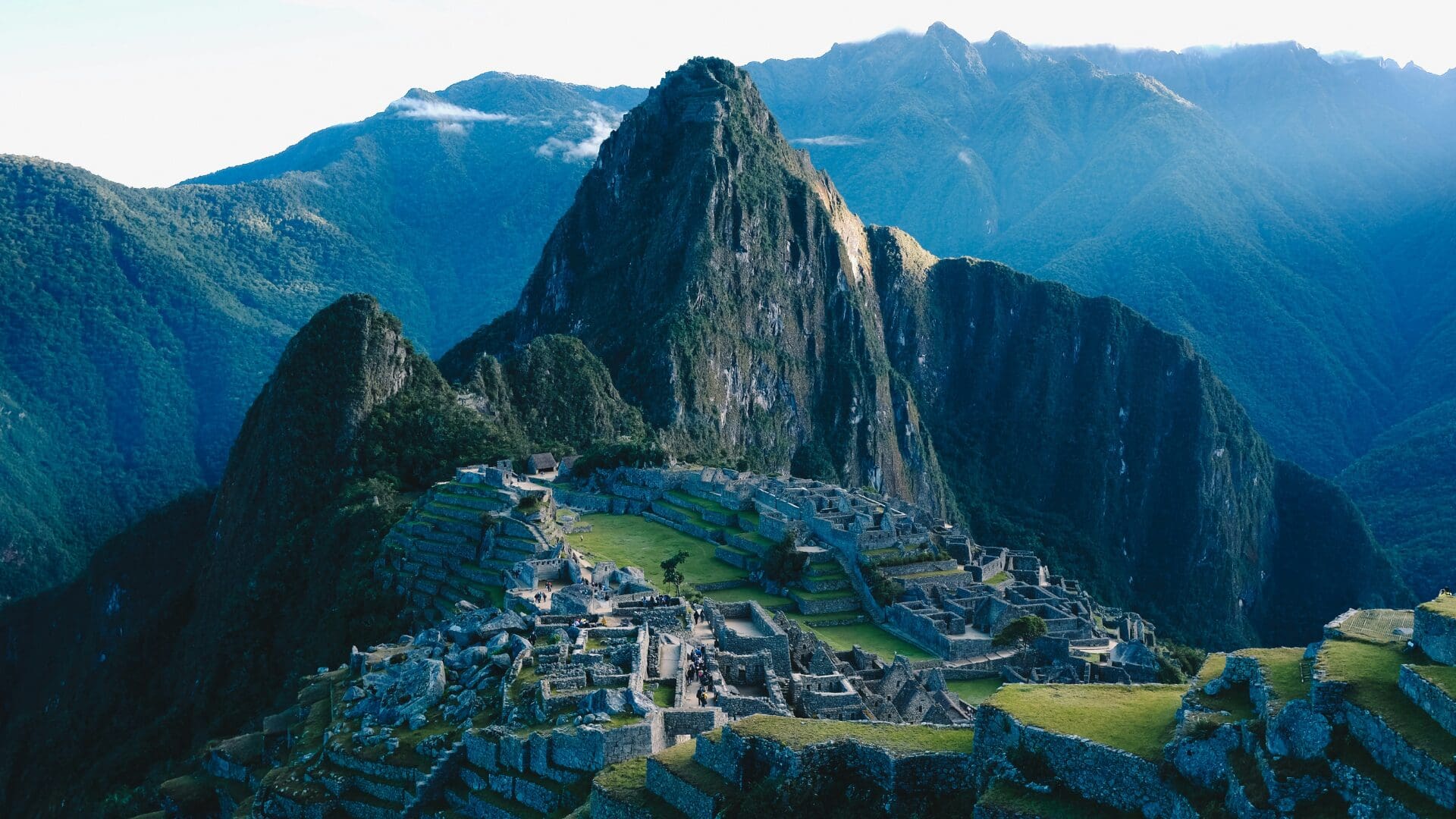
May is a very good time to be in Peru. The air is clear, the light is sharp in the mornings, and you can see the Andes properly – not half-hidden behind clouds.
The trip itself has a natural rhythm to it. You start in the Sacred Valley, about an hour from Cusco but noticeably lower in altitude, which makes those first few days far easier. It’s greener, more open, and gives you time to adjust while getting out into the valley – the terraces at Moray, the salt pans at Maras, smaller villages where life still runs at its own pace – then back to your hotel in the afternoon when the light softens.
Jonas has done the journey to Machu Picchu on the Belmond Hiram Bingham, which is an otherworldly way of getting there. It runs through the valley with open-air carriages, lunch on board, and a pace that lets you take in the landscape as it shifts around you. It truly is superb, and we’d urge anyone to experience a Belmond train journey at least once.
At Machu Picchu, Belmond Sanctuary Lodge sits right at the entrance. You can walk straight up early in the morning, before the buses arrive, and go back again later in the day when things quieten down. It gives you time at the site that most people don’t get.
Cusco comes at the end. It’s a short drive back from the valley, but feels very different – higher, denser, more architectural. A couple of nights here is usually enough, once you’ve adjusted, for the food, the history, and the shift in pace before heading home.
Ibiza, Spain
May is when Ibiza starts again. Everything is open, but the island still feels like itself.
It’s one of the best times to see the quieter side of it. Early swims, long lunches that turn into the afternoon, and beaches that aren’t lined with rows of sunbeds yet. You can still drive between coves without traffic building, and get a table at places you’d struggle with later on.
We’ve always preferred the north and the west of the island – it’s where Ibiza feels more grounded. Cala Gracioneta is a go-to for lunch, El Chiringuito up in Es Cavallet for something longer, or a simple afternoon around Santa Gertrudis when you want to stay inland.
Six Senses Ibiza works particularly well in May. It’s spread out, right on the water, and set up for slower days – mornings outside, good food, and incredible wellness experiences that Six Senses is renowned for. It’s also one of the few places on the island that works just as well for families as it does for couples.
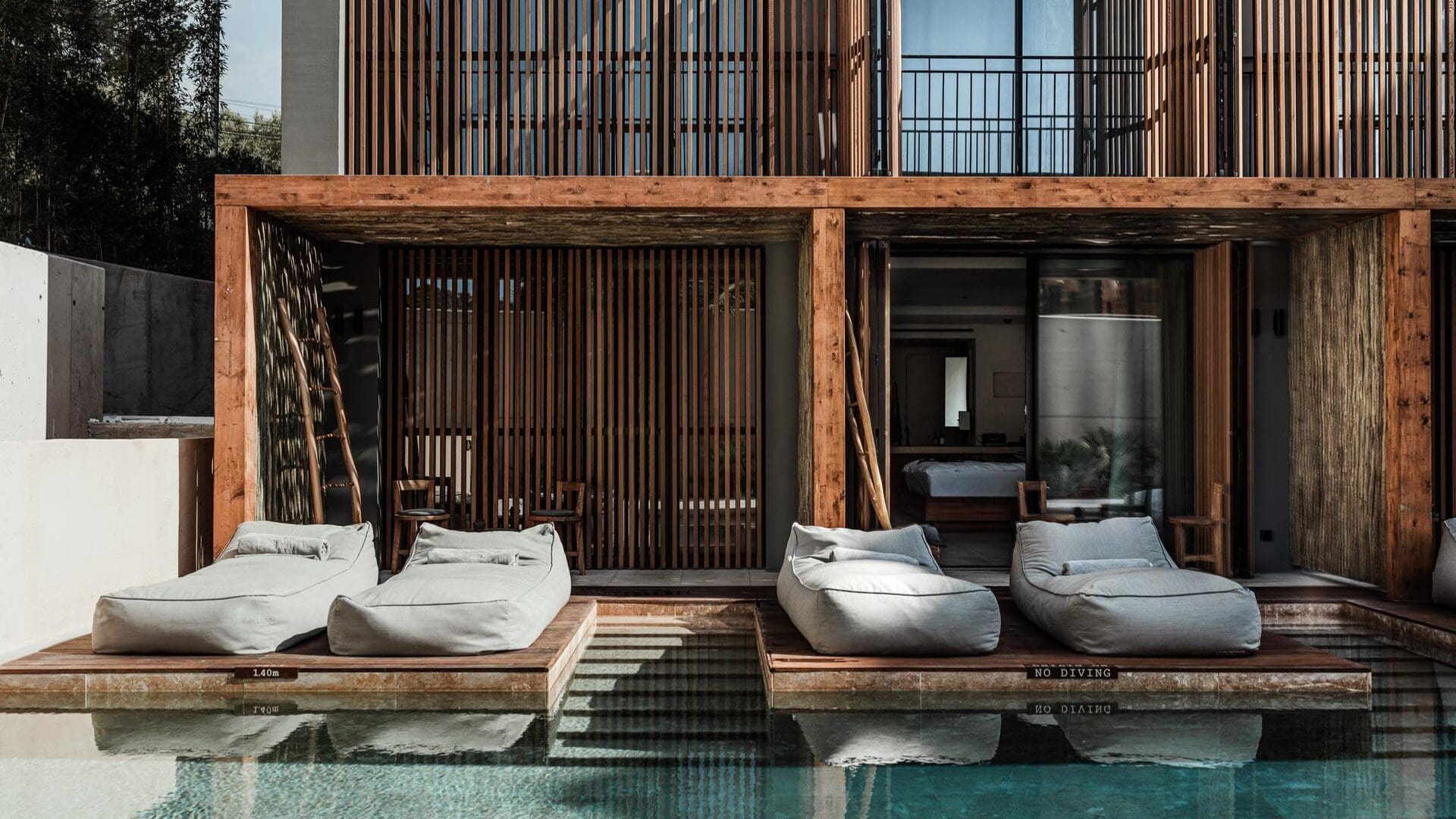
OKU Ibiza, on the other hand, is more contained and design-led, with a strong pool scene and a very good restaurant at its centre. It’s an easy base on the West Coast, especially if you’re planning to move around. You also cannot go wrong with one of the swim-up suites (pictured).
Ibiza builds quickly from here. May still gives you the version of the island people come back for – not just the nightlife, but the pace, the food, and the sense that you don’t need to over-plan it.
Provence, South of France
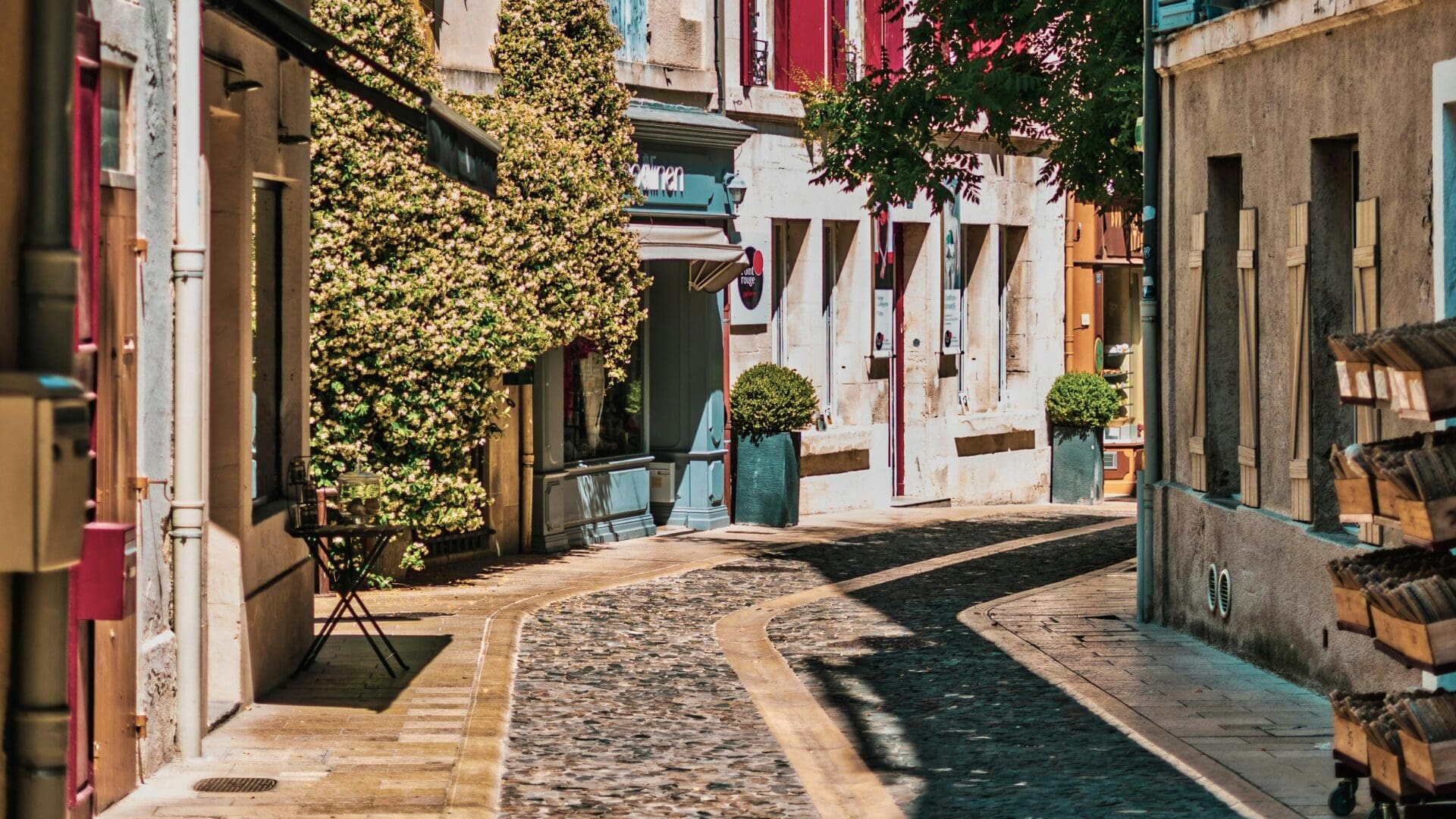
May in Provence still feels close to how the region actually lives. The landscape is green, not yet burnt through by summer, and the villages move at their own pace. Markets are a big part of it at this time of year. You’ll see asparagus, strawberries, fresh tomatoes – the kind of produce that shapes how people eat day to day. It’s worth building mornings around them, then letting the rest of the day follow.
Days are best spent moving between places – Gordes, Bonnieux, Saint-Rémy. You can stop for lunch where you like, park without it turning into a process, and carry on without everything needing to be mapped out in advance.
Crillon le Brave is a beautiful base. It’s set across a small hilltop village, with rooms spread between old stone houses and views out over Mont Ventoux. La Bastide de Gordes offers something more polished, right on the edge of one of the region’s most recognisable villages. In peak summer it can feel overexposed, but in May, it holds onto a bit more calm.
Naxos or Paros, Greece
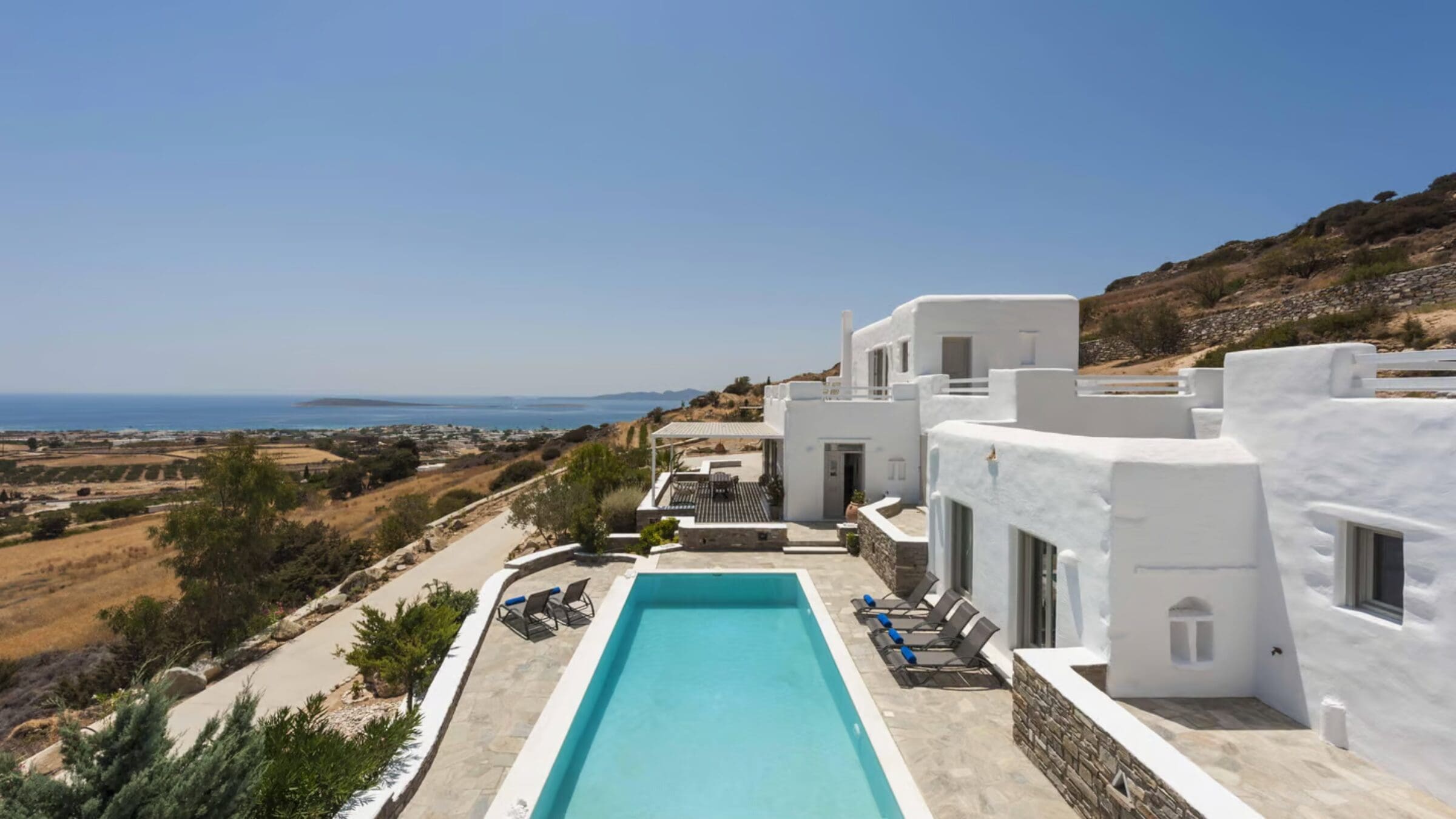
May is one of the best times to see the Cyclades before everything locks into summer, and Naxos or Paros are both wonderful options if you want something less full-on than Santorini or Mykonos.
On Paros, Naoussa is where most of the livelihood happens. Dinner at places like Siparos or Barbarossa, boats out during the day to Kolymbithres or across to Antiparos – and it’s amazing how much more of the coastline you see once you’re on the water. Evenings back in the harbour still have a buzz, but without the crush you get later in the season. Santa Maria works well for beach days.
On Naxos, it’s a bit more spread out. The west coast, Agios Prokopios and Agia Anna, gives you long sandy beaches that are seemingly endless, and then you have Naxos Town, with a mix of simple tavernas and a few stronger restaurant spots. Inland, heading up into the villages gives you a completely different feel to the island – older, quieter, and much less touched by the summer pace.
We have access to some excellent villas across both islands, from smaller, well-designed houses for couples or young families through to larger villas set back from the coast with sprawling outdoor space, infinity pools, and open views across the Aegean.
It’s also still a very straightforward trip from the UK. Despite the wider rollout of EU biometric entry systems, Greece remains one of the easier entry points.
Big Sur, California
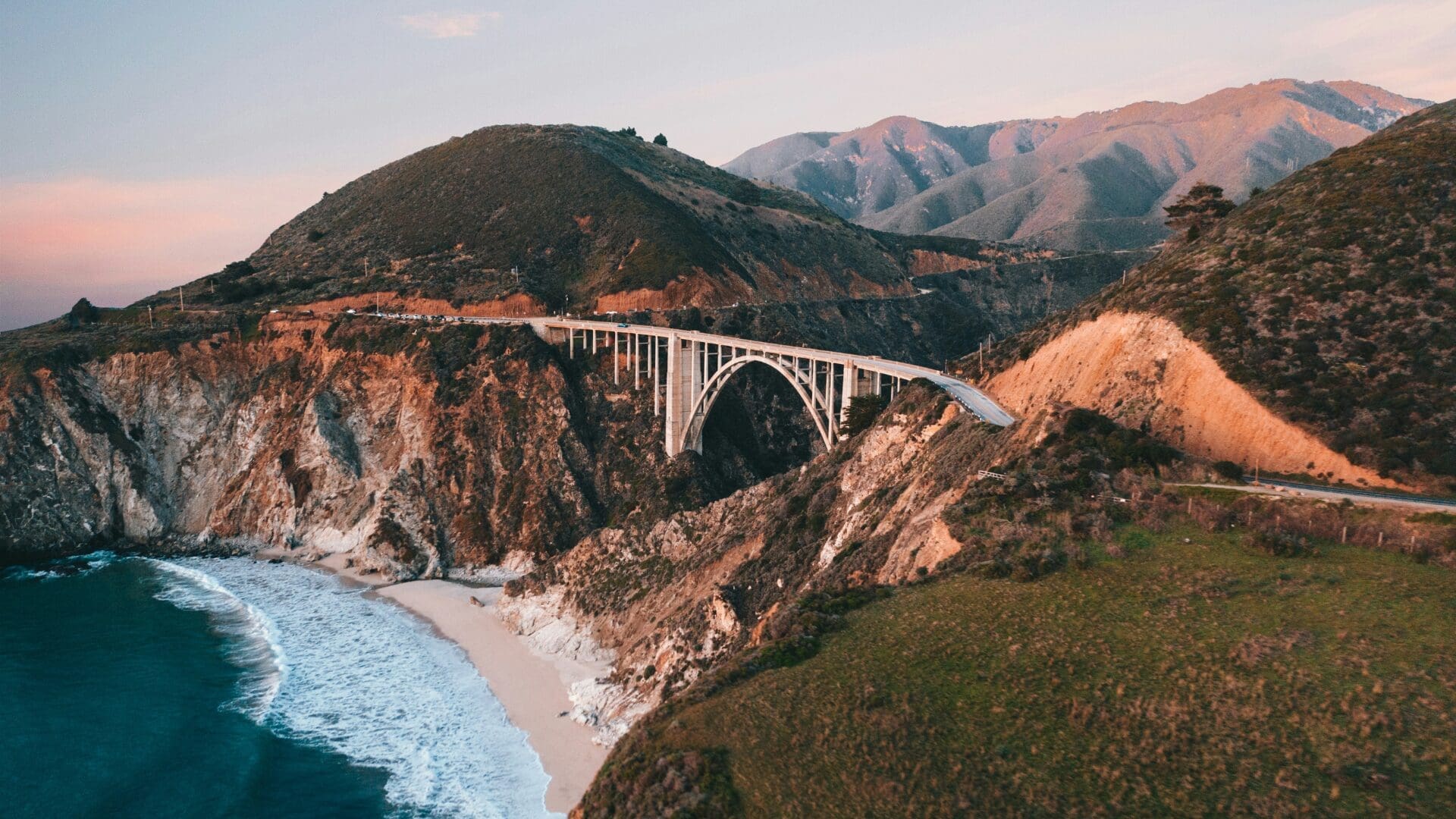
Big Sur sits along the central California coast, about a two to three hour drive south of San Francisco, and it’s one of those stretches of road that’s as much the trip as the destination. May is a particularly good time to do it. The winter rains have passed, the hills are still green, and the coastline is clear – long views out over the Pacific without the fog that tends to roll in later.
You experience it by driving. Highway 1 winds along the cliffs, and you stop when it feels right – McWay Falls, quiet pull-ins along the coast, short walks that open up the landscape. It’s not about covering distance, more about letting the road set the pace.
Where you stay shapes the whole experience here. Post Ranch Inn is set high on the cliffs, and the rooms are designed around that – glass walls facing the Pacific, freestanding tubs looking straight out to sea, and no TVs anywhere in the rooms, which forces you to actually switch off. Even the infinity pools are positioned right on the edge, so you’re looking straight down the coastline.
Alila Ventana Big Sur sits further back in the redwoods and feels completely different. Cabins are tucked into the forest, there are walking trails running through the property, and outdoor spaces are built around firepits and decks. There’s also a glamping section, which sounds gimmicky but is extremely well done – proper beds, proper bathrooms, just set deeper into the trees.
May gives you a clearer version of Big Sur – open roads, good visibility, and a sense of space that becomes harder to find once the summer season builds.
The case for May
May has to be one of our favourite months for travel. It’s one of the few points in the year where conditions, access, and pace all line up properly.
Across Europe, places are open and running as they should, but without the pressure that builds into June and July. Further afield, you catch destinations at very specific moments – clearer skies, better visibility, and a pace that hasn’t tightened yet.
If any of these have caught your attention, we can help shape it properly – whether that’s something last-minute or a trip further ahead. Fill out our contact form, and we’ll be in touch.


