
A refined edit of hotels where sustainability is built in
Sustainable and eco-conscious hotels have become a bigger part of the conversation in recent years – and for good reason. Where you stay has an impact, and more properties are starting to think carefully about how they operate.
What’s interesting is how that’s showing up. Not in obvious or over-explained ways, but in the details – how places are built, how they run day to day, and how they sit within their surroundings.
From remote desert lodges to coastal retreats, there’s a growing number of hotels getting that balance right – places that are thoughtfully designed, well run, and properly connected to where they are.
It doesn’t take away from the experience. If anything, it sharpens it. Settings feel more intact, design more purposeful, the whole stay just that bit more resolved.
With Earth Day as a timely nudge, we’ve pulled together ten that stand out – including one Charlie experienced recently and still brings up whenever a good hotel conversation starts…
Mashpi Lodge, Ecuador
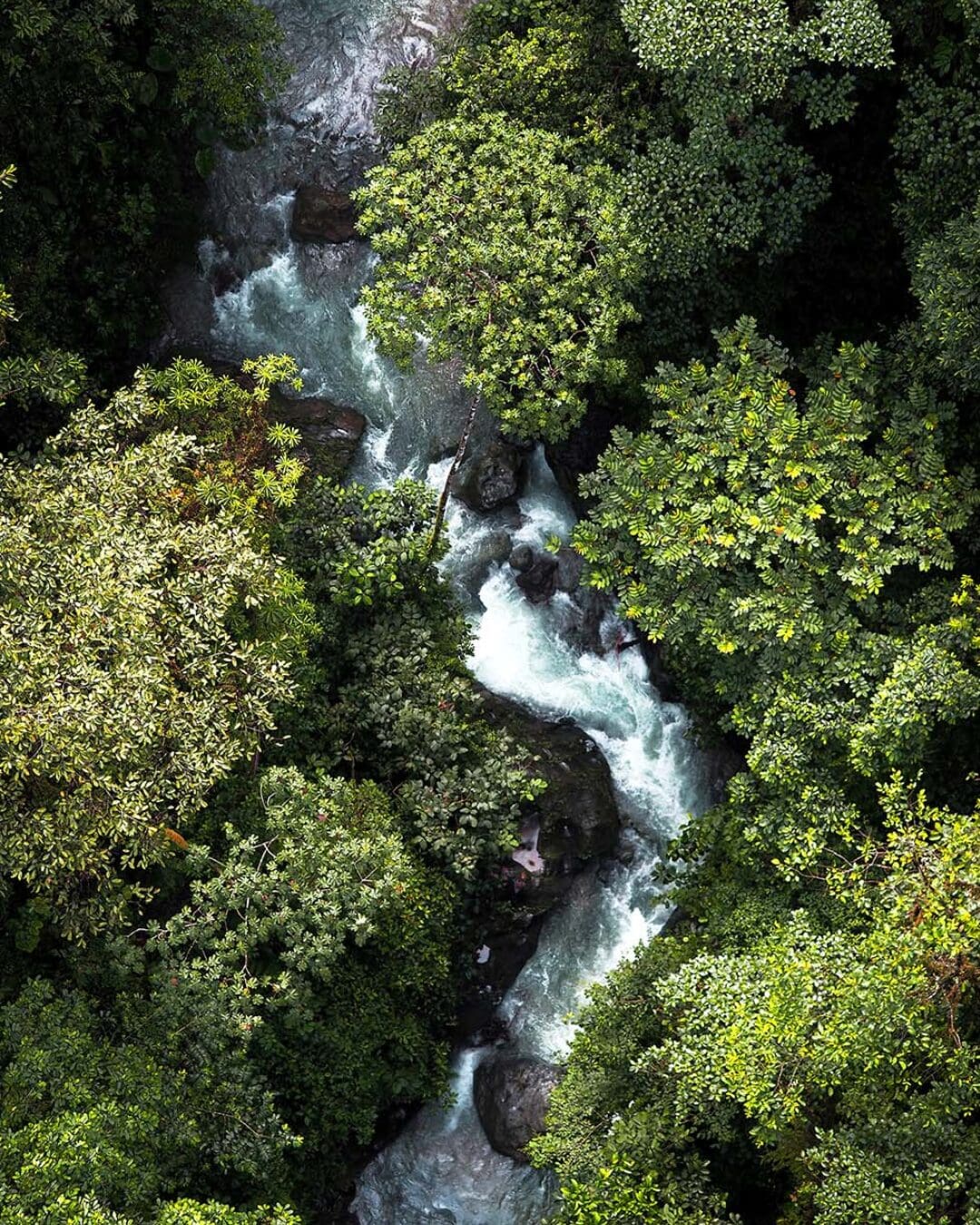
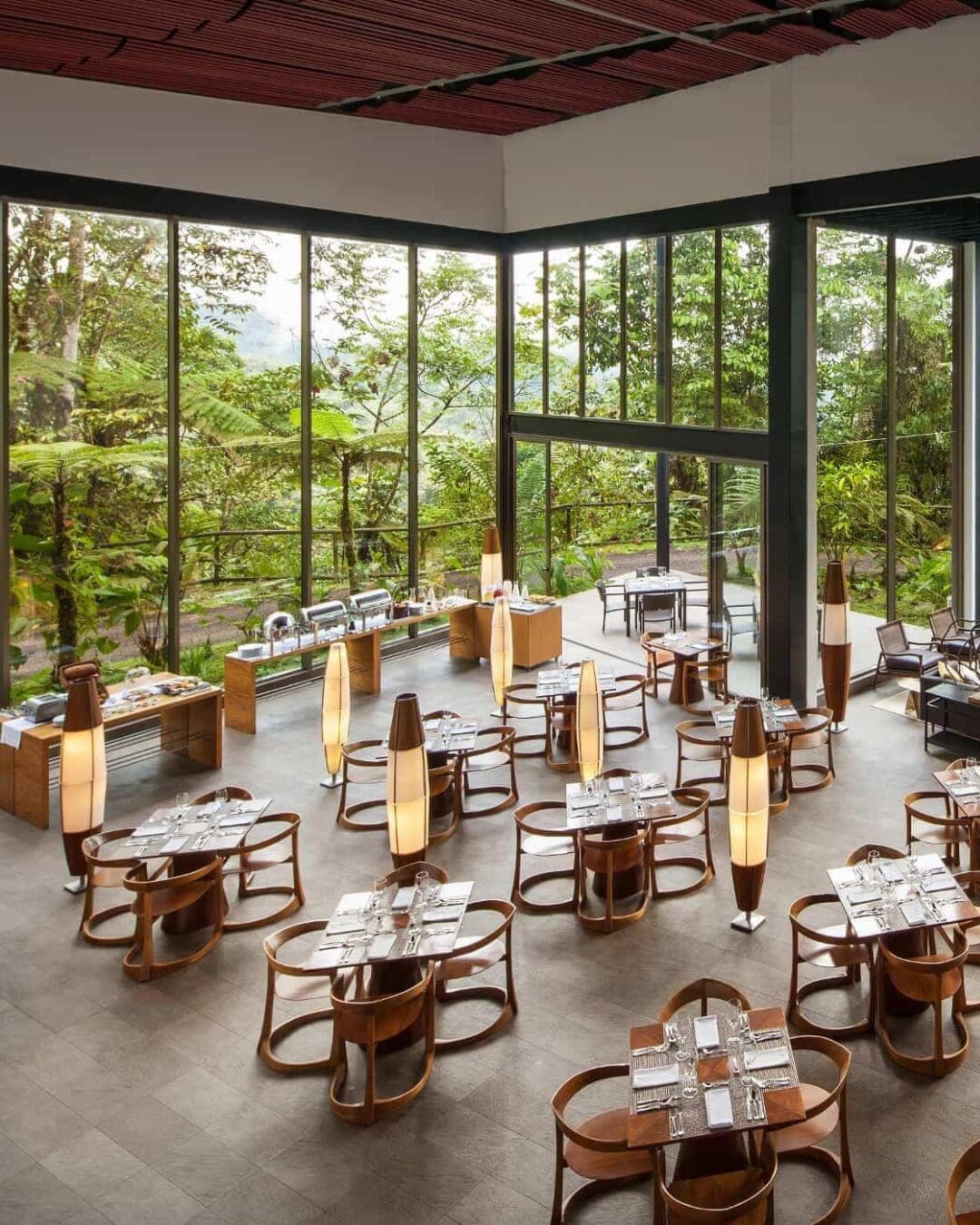
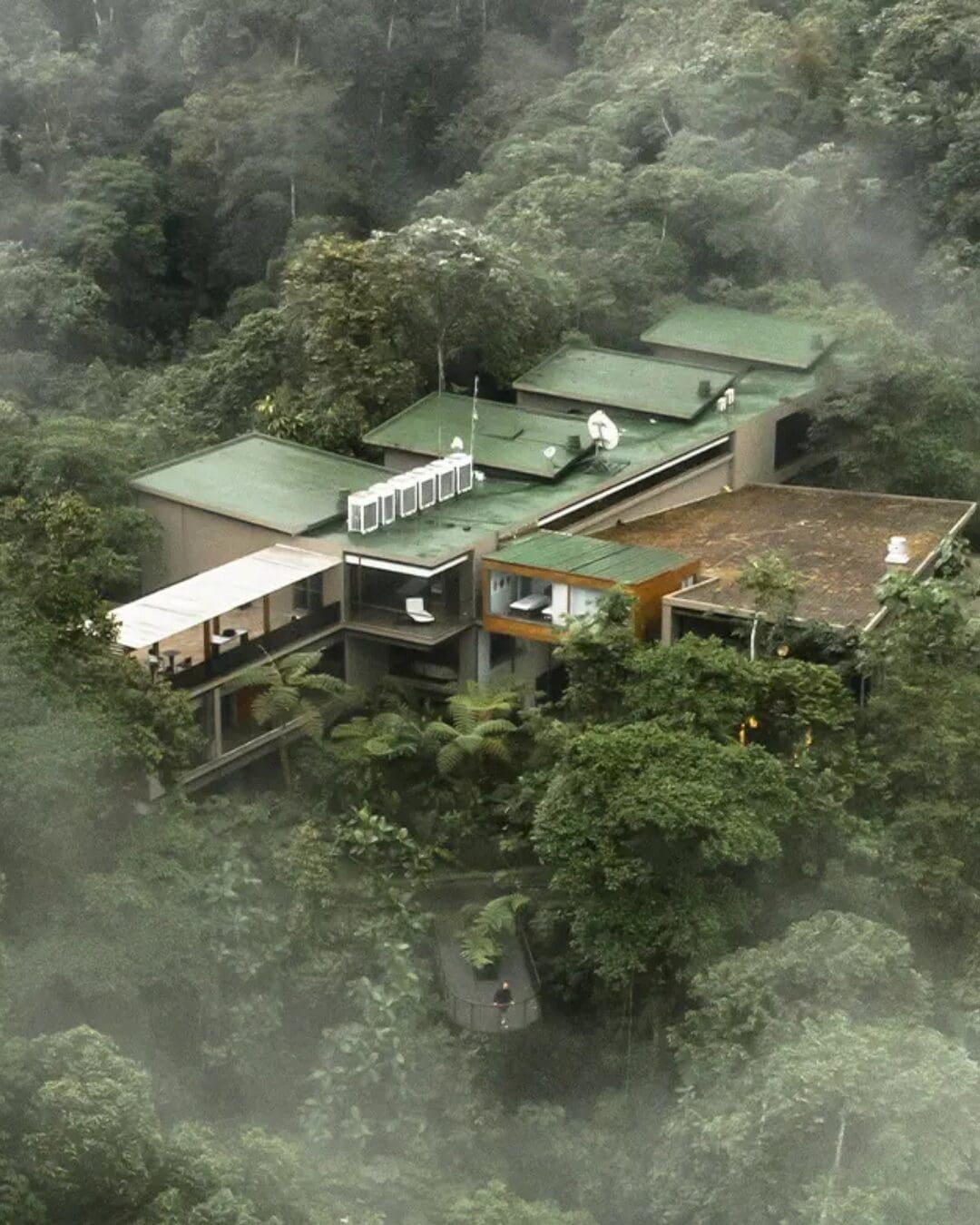
Lying deep within Ecuador’s Chocó rainforest, Mashpi isn’t the kind of place that gestures at sustainability – it’s built around it. The lodge sits within a 2,500-acre private reserve, protecting one of the most biodiverse and threatened ecosystems on earth, and its presence feels deliberate rather than extractive.
What stands out is the level of scientific involvement. This isn’t simply a protected stretch of forest with a hotel attached. Mashpi runs its own research programmes, with resident biologists documenting species – many newly discovered. Guests are drawn into that world in a natural way, whether through guided walks, time in the research centre, or simply moving through the forest with someone who knows it properly.
There’s also a more exploratory side to the experience. The canopy gondola lifts you above the treeline, giving a sense of the scale and density of the forest that you don’t quite grasp from the ground, while the Sky Bike – a suspended cycling trail – adds something unexpectedly playful. Trails weave out from the lodge in all directions, with waterfalls, viewpoints, and wildlife encounters shaping the days without ever feeling structured. It’s the kind of place that works just as well for families as it does for those wanting something more immersive.
Architecturally, the lodge is contemporary but restrained, designed to sit lightly within the forest. Energy use is managed carefully, waste is minimised, and the surrounding ecosystem is left undisturbed.
Tourism here plays a clear role in conservation. It’s a model that feels considered – where the stay itself helps sustain what surrounds it.
Saltus, Italy
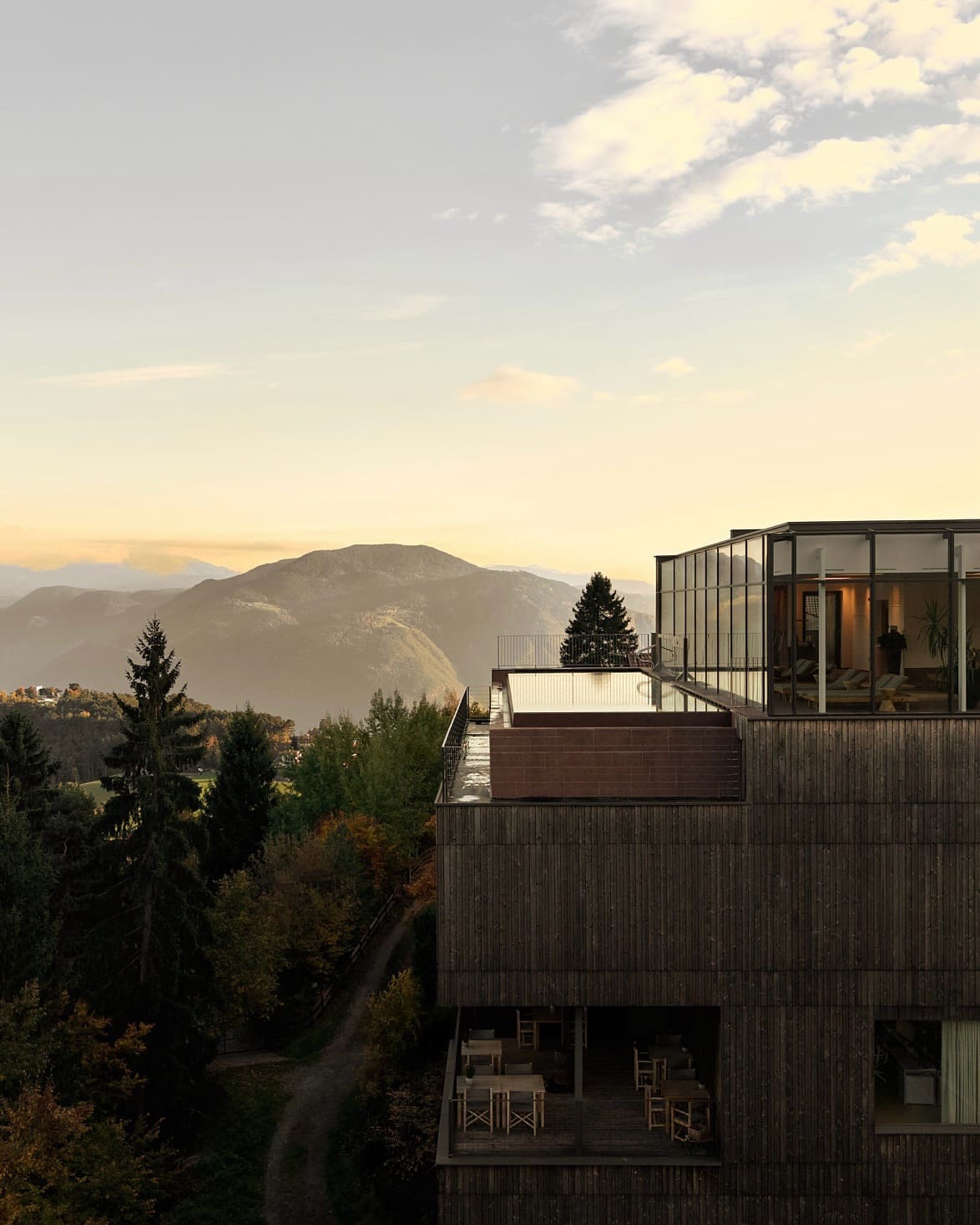
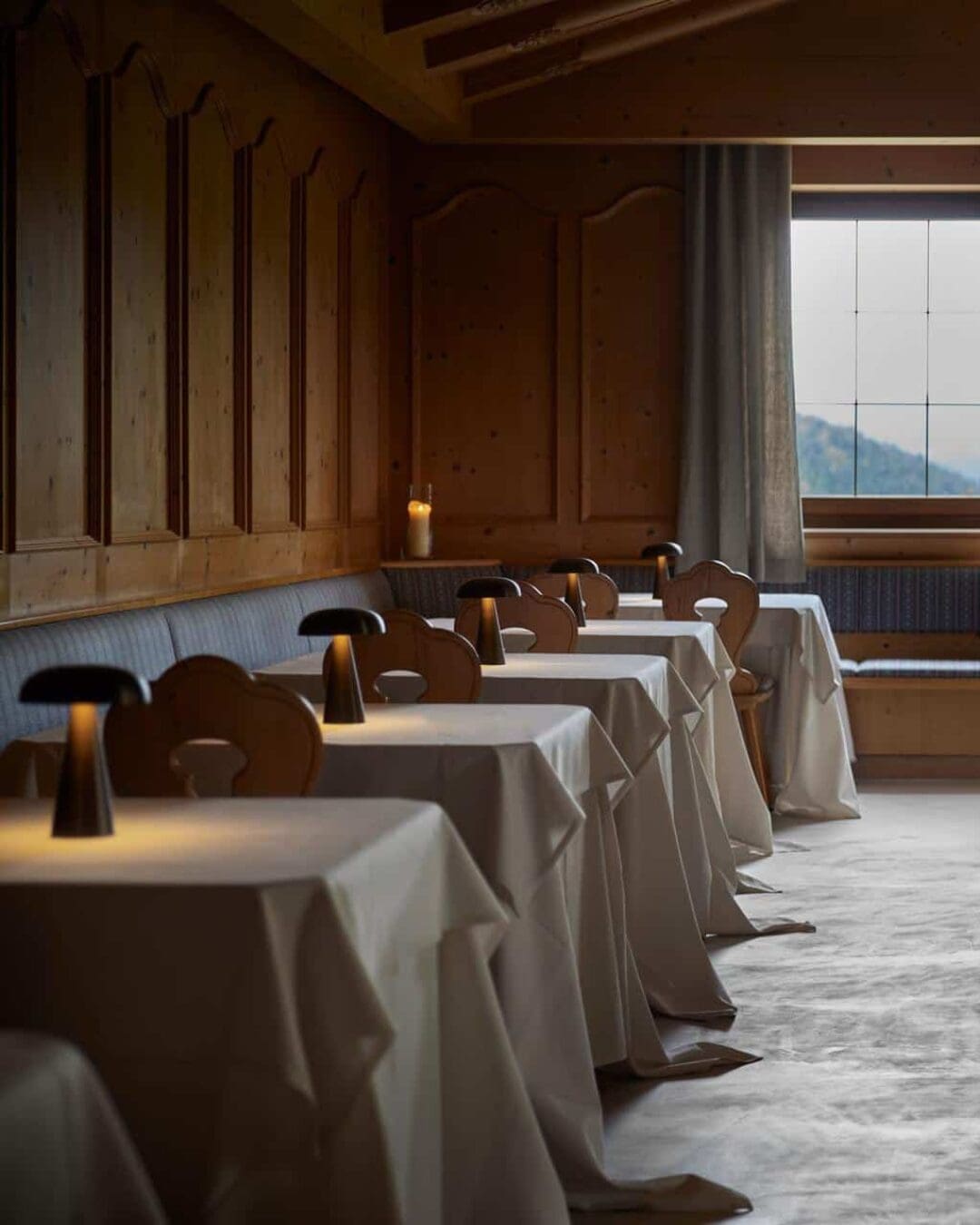
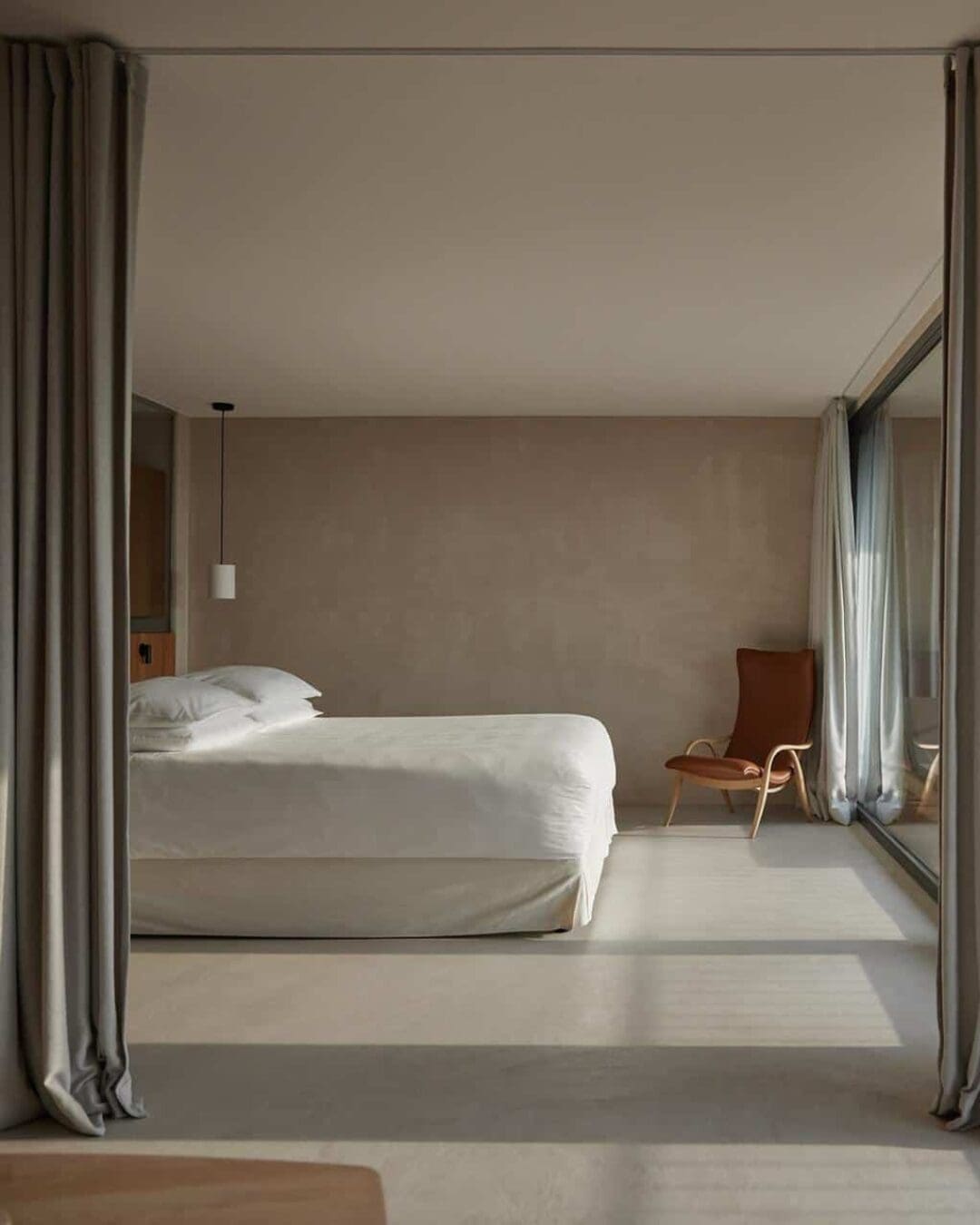
Set above the forests of South Tyrol, Saltus takes a quieter approach to sustainability. Part of the Small Luxury Hotels collection – and one of our partner properties – it’s less about big statements, more about how the place is actually built and run. The hotel sits lightly within its alpine setting, using timber construction and natural materials that feel consistent with the landscape rather than imposed on it.
What stands out is the sense of restraint. Interiors are pared back, almost monastic in places, with an emphasis on space, light, and locally sourced materials. It’s a kind of luxury that doesn’t need excess. Energy use is carefully considered, with a focus on efficiency and regional sourcing, while the surrounding forest remains largely untouched.
There’s also a strong connection to place. South Tyrol’s culture, food, and slower pace shape the experience in a way that feels genuine rather than curated for effect. It doesn’t position itself as a traditional destination resort, which is part of its appeal.
Six Senses La Sagesse, Grenada
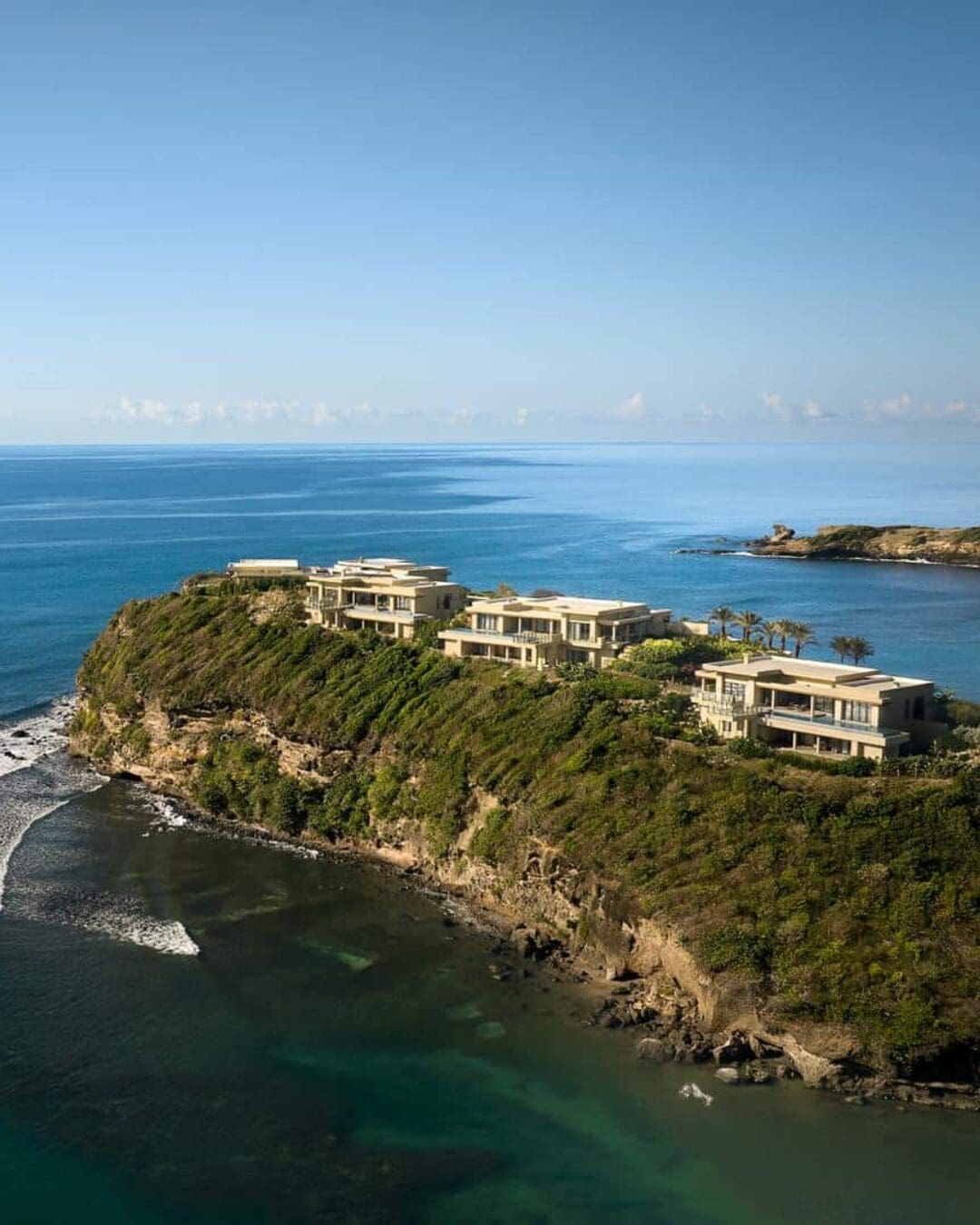
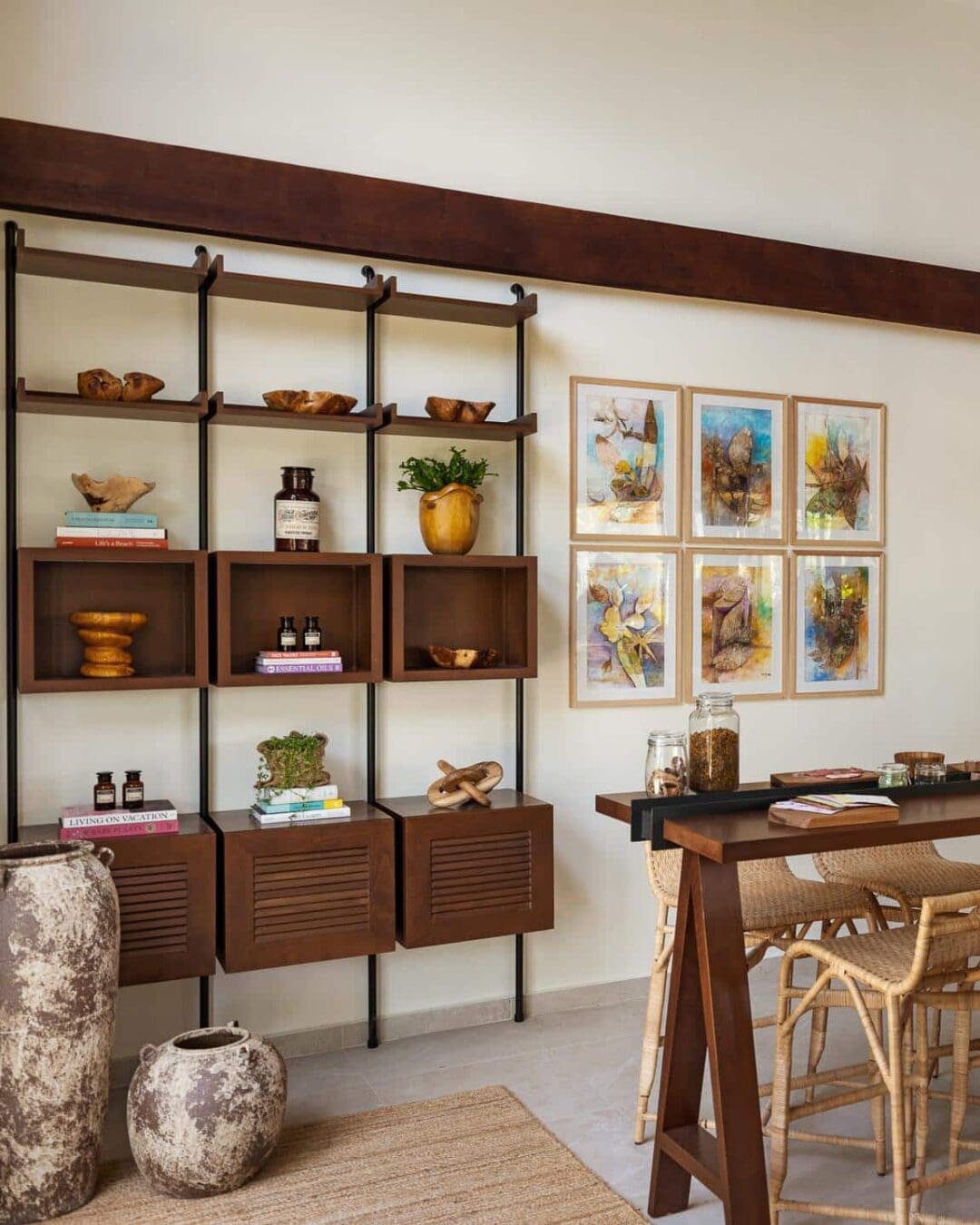
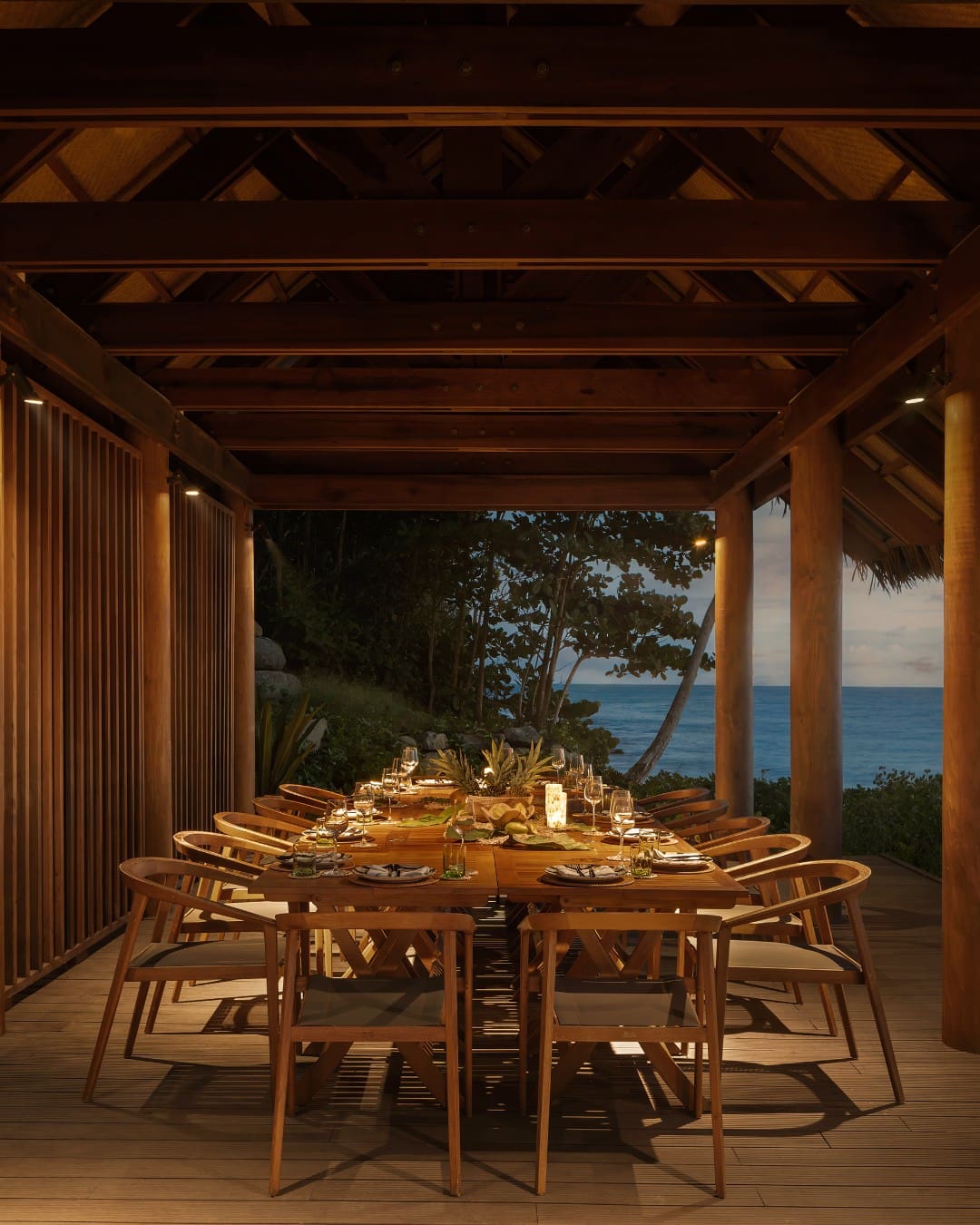
Along Grenada’s quieter south-east coast, Six Senses La Sagesse feels deliberately low-key for a resort of its scale. It stretches across lagoon, mangroves, and beachfront, with a layout that follows the natural contours rather than reshaping them. The result is spacious, but not overbuilt.
What matters here is the substance behind the brand’s sustainability claims. Much of it sits in the operational detail – solar panels supporting hot water across the villas, water bottled on site to reduce plastic, and a more considered approach to waste and resource use throughout. There’s also a clear emphasis on working with local suppliers and materials, which helps ground the resort in its setting.
Some of it is more visible. The Earth Lab acts as a kind of hub for guests, with workshops around everything from natural product making to glass upcycling, using bottles from the resort itself. Landscaping follows a permaculture approach, with herbs and produce grown on site and fed back into the kitchens.
The setting itself does a lot of the work. Mangroves are left intact, the lagoon feels undisturbed, and there’s a sense that the landscape leads, not the architecture.
It’s still a full-service luxury resort, and it doesn’t pretend otherwise. But it’s a more thoughtful version of that model – one where sustainability is built into how the place functions, rather than added on.
Jicaro Private Island, Nicaragua
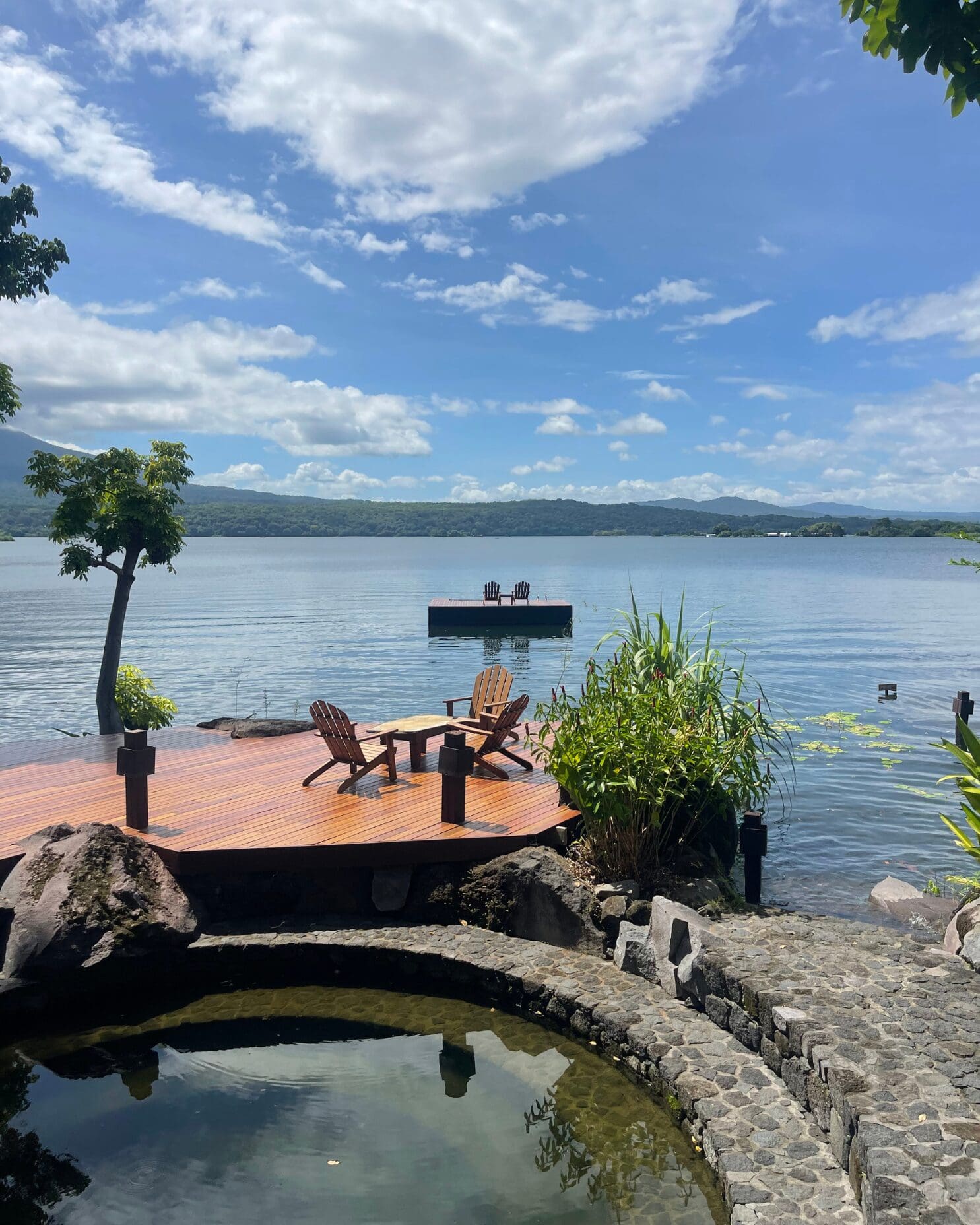
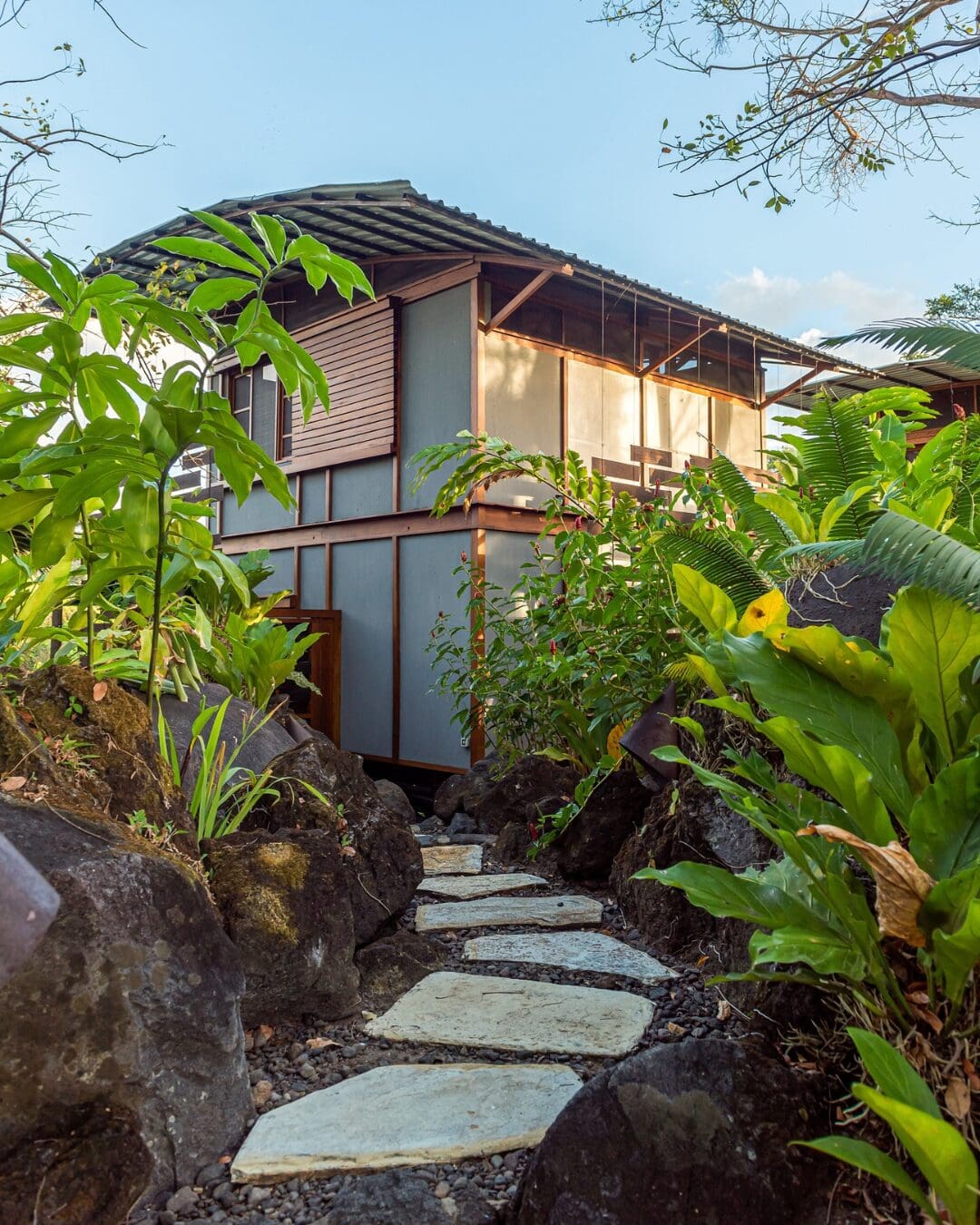
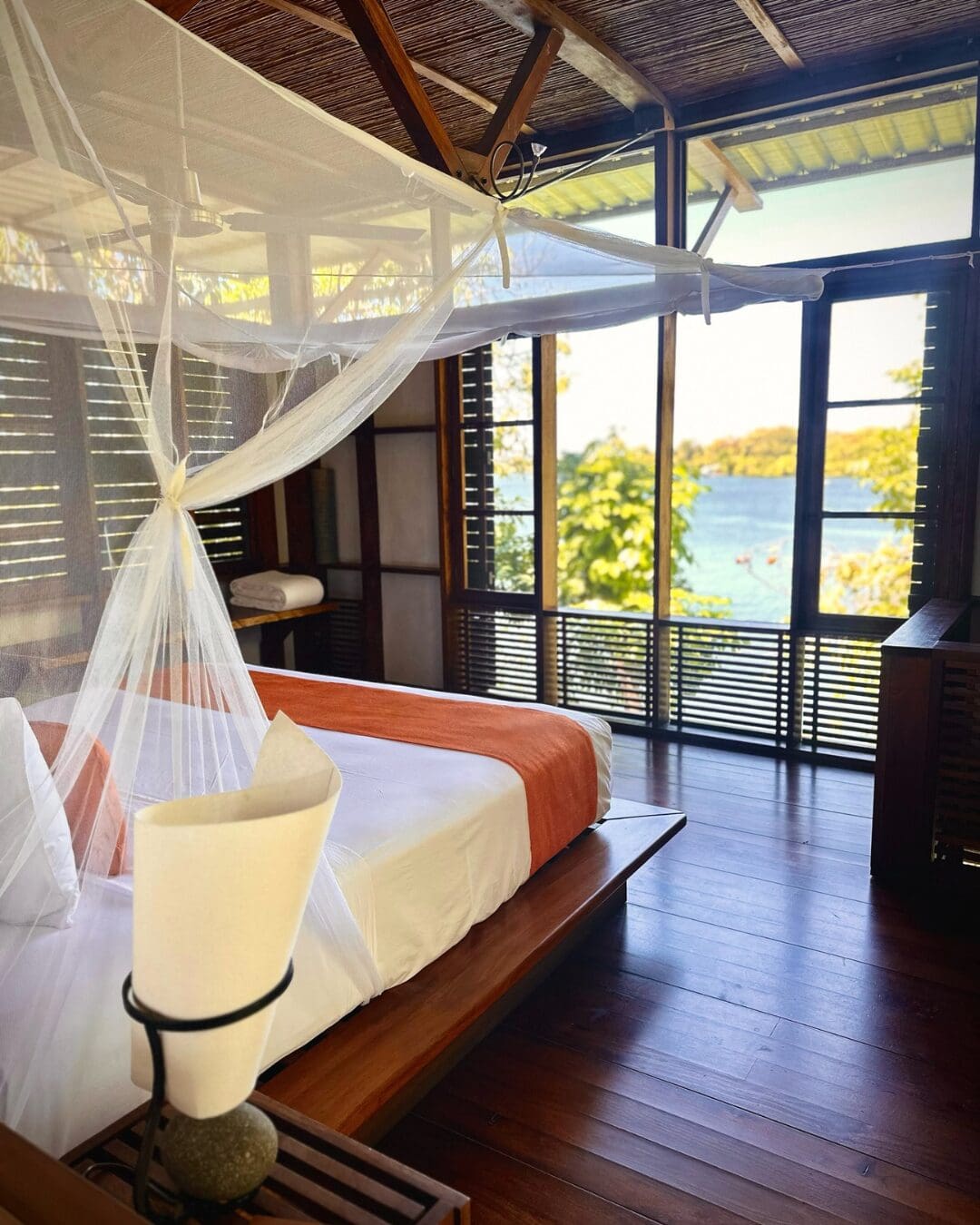
On a small, forested island in Lake Nicaragua, Jicaro takes a deliberately scaled-back approach. With just a handful of casitas, it avoids the sense of overdevelopment that often comes with private island stays. Instead, it feels contained, considered, and closely tied to its surroundings.
What stands out is how lightly it operates. The lodge runs largely on renewable energy, with solar power supporting much of its day-to-day function, and a clear focus on reducing waste and resource use. Materials are locally sourced, and there’s an effort to keep construction and maintenance in line with the environment rather than working against it.
There’s also a strong connection to the local community. Staff are drawn from nearby areas, and the experience leans into Nicaraguan culture rather than insulating guests from it. It gives the stay a sense of place that feels genuine. Our very own Charlie stayed at this hotel last year – you can read her blog here for a closer look.
Jicaro works because it doesn’t try to do too much. It’s small, intentional, and quietly effective – a reminder that sustainability in luxury travel often comes down to scale, and knowing where to stop.
Heckfield Place, UK

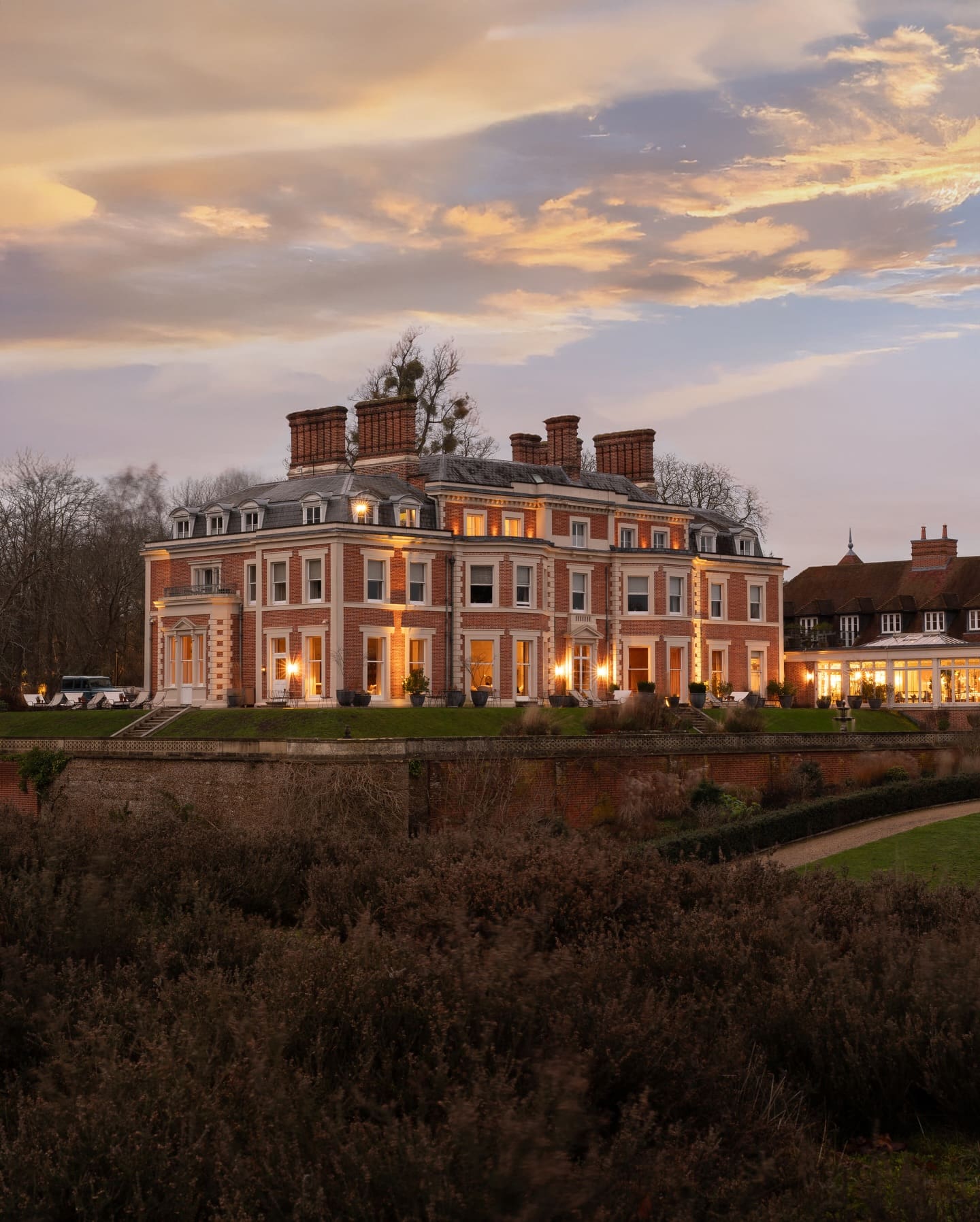
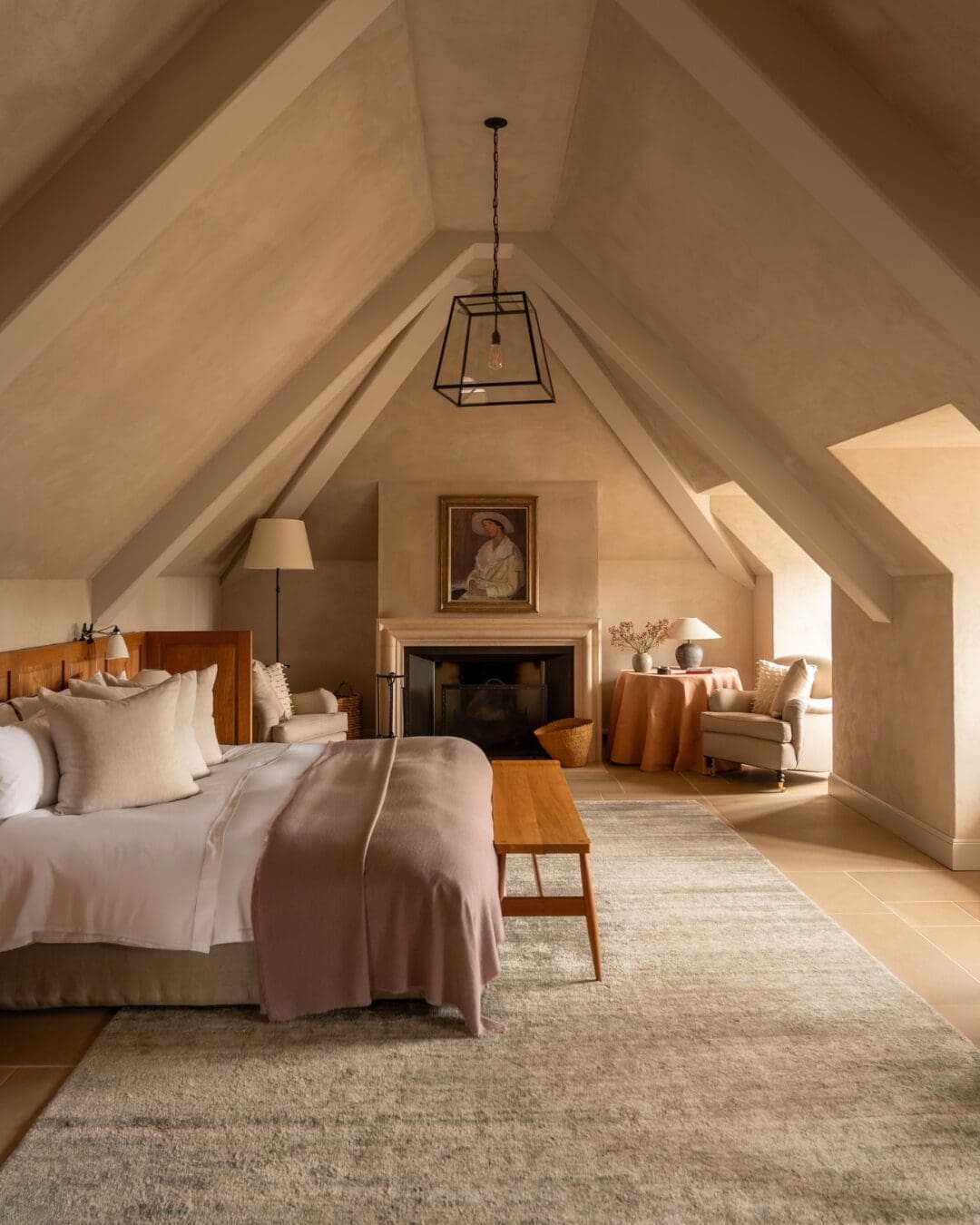
Set within a restored Georgian estate in Hampshire, Heckfield Place takes a long-term view of sustainability. It’s less about visible eco features, more about how the land itself is managed and understood. Across 400 acres, the estate is run on regenerative principles, with its biodynamic Market Garden and Home Farm shaping everything from what’s grown to how it’s used.
That connection is most obvious in the food. At Marle, ingredients come directly from the estate where possible – vegetables, herbs, dairy, even honey – all dictated by seasonality rather than demand. There’s a clear respect for the rhythm of things, with menus shifting accordingly and a quiet focus on using what’s already there, including repurposing surplus and by-products behind the scenes.
The house itself has been restored with care, using natural materials and traditional methods where possible. Rooms are free from single-use plastics, energy is supported by biomass and renewable systems, and the wider estate – woodlands, orchards, and gardens – is actively managed to support biodiversity long-term.
Heckfield works because everything connects back to the same idea. The land shapes the experience, not the other way around. It’s a more grounded kind of luxury – one that feels considered, consistent, and entirely at ease in its setting.
Cempedak Island, Indonesia
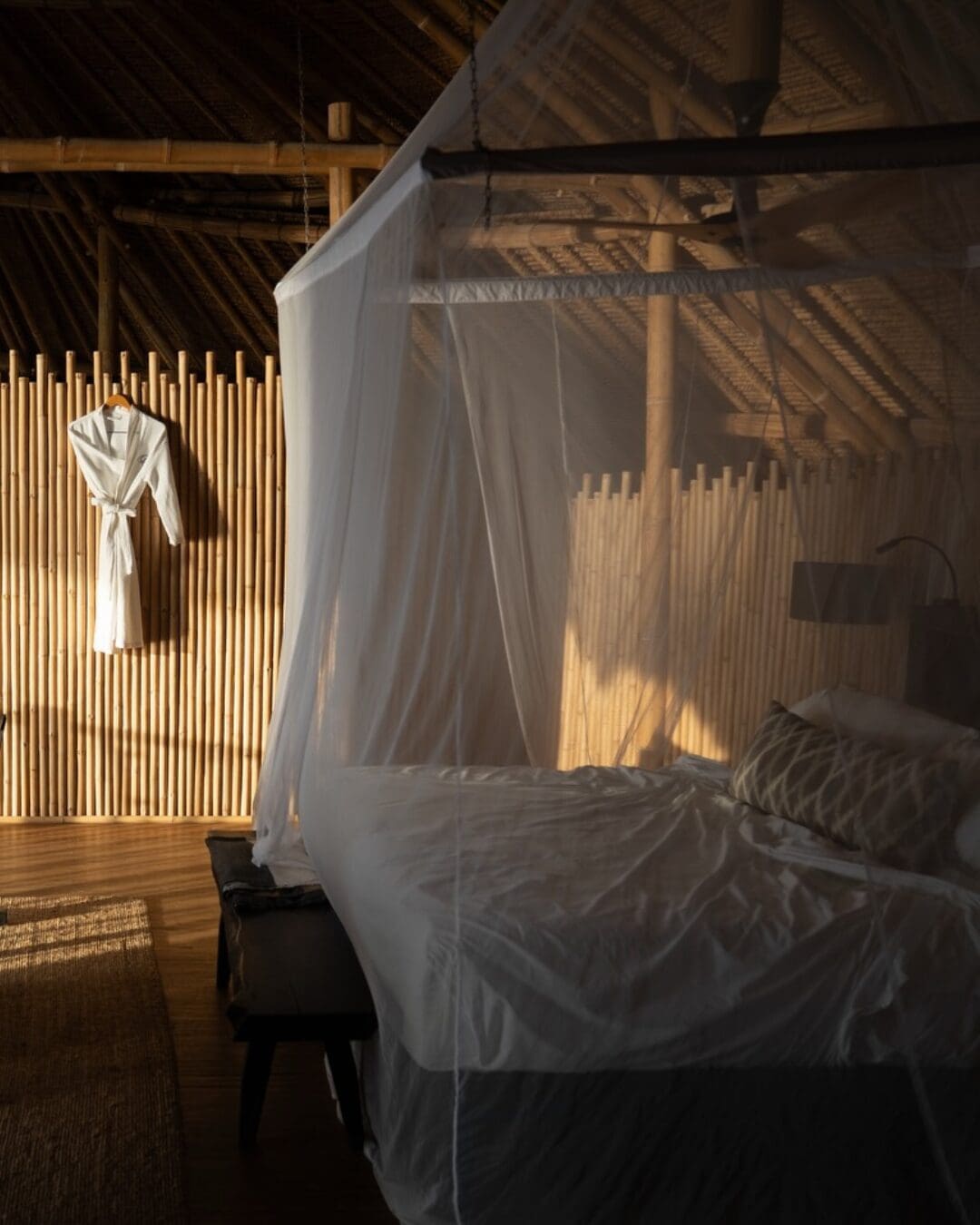
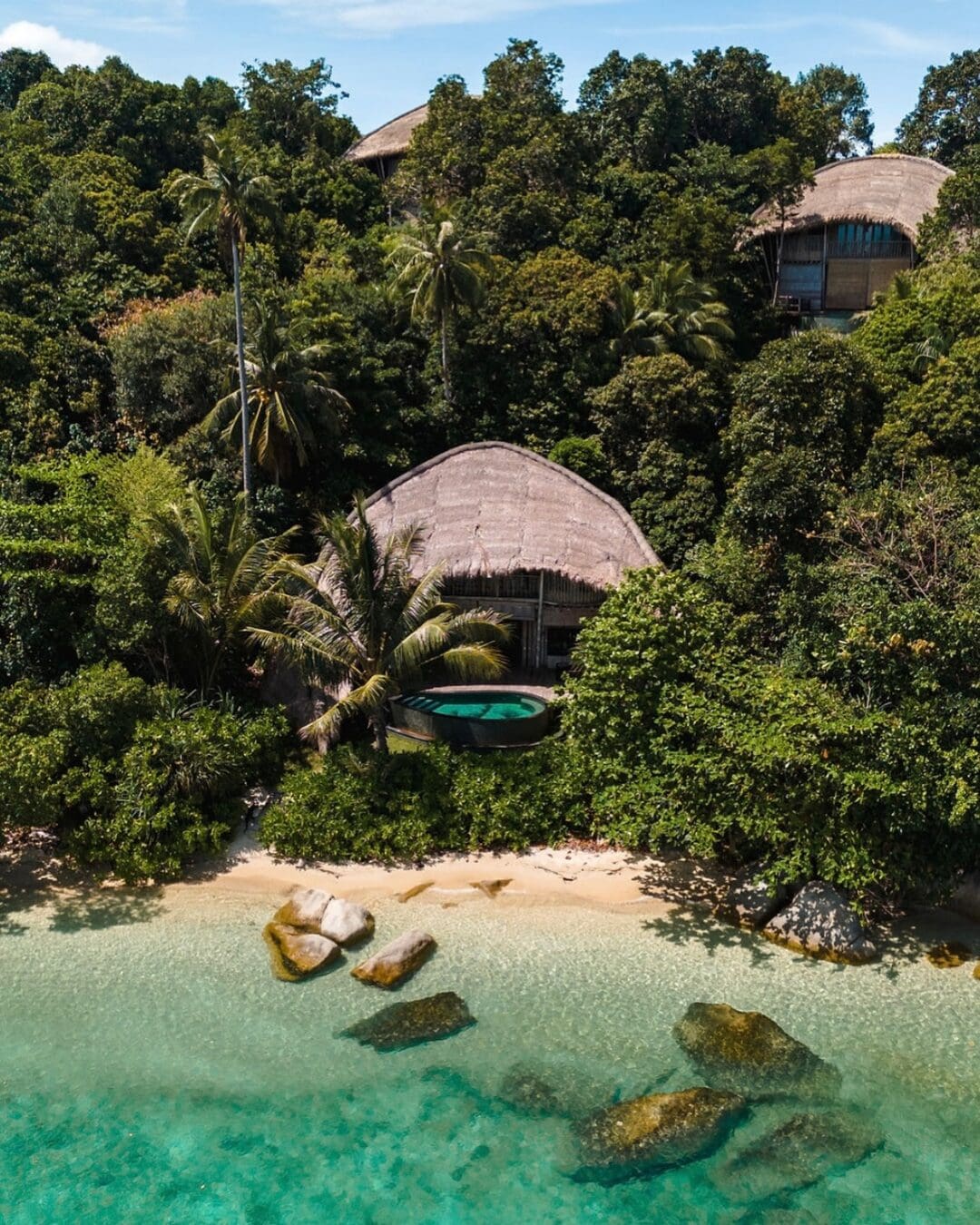
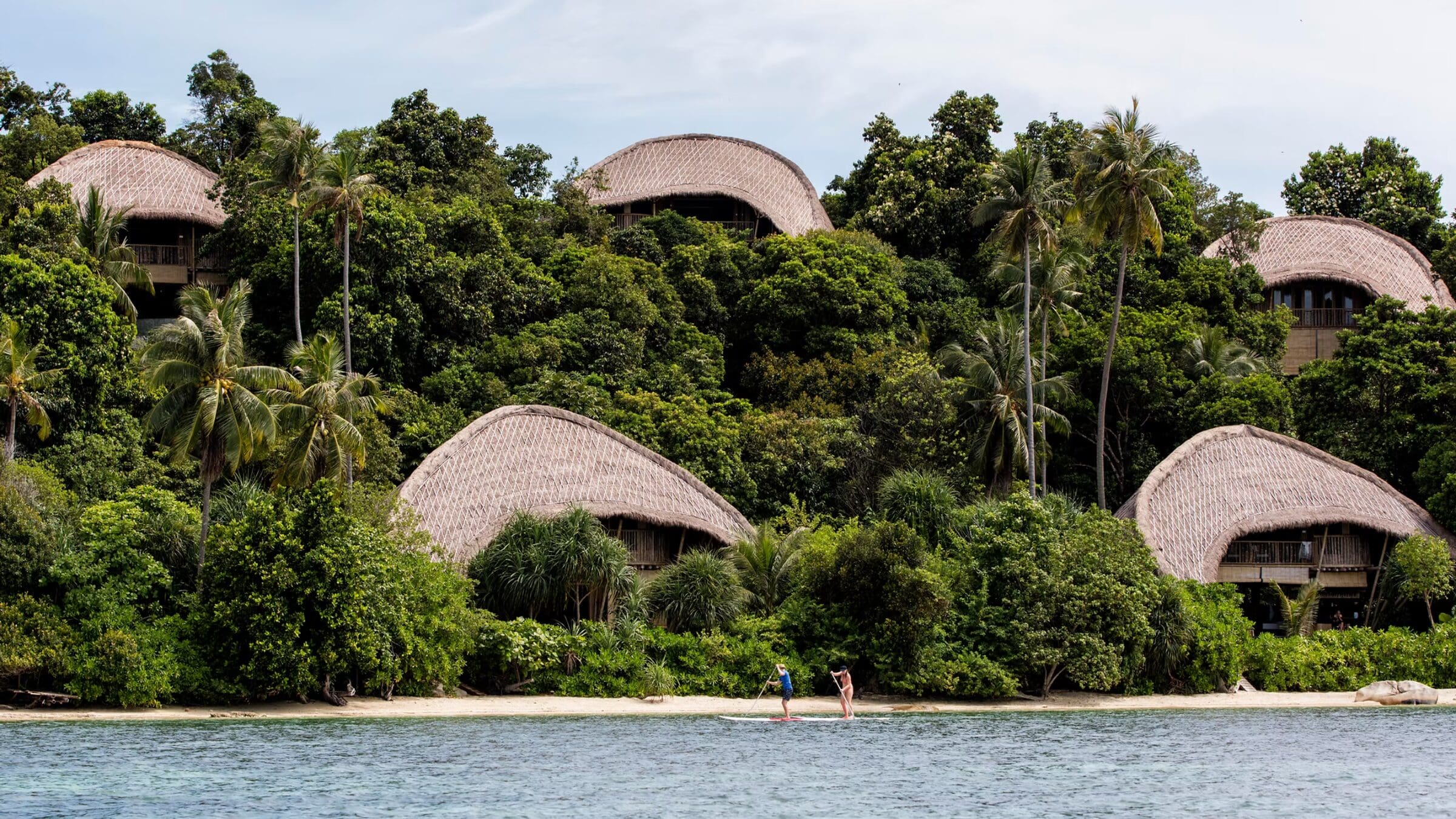
Just off the coast of Bintan, Cempedak Island takes a deliberately low-impact approach to island living. It’s small, adults-only, and carefully managed, with a focus on preserving as much of the natural environment as possible. There’s no sense of overdevelopment here, just a handful of bamboo villas set within dense tropical forest.
What stands out is the use of materials. The villas are built almost entirely from bamboo, shaped by hand and designed to work with the climate rather than against it. Open-air living, natural ventilation, and minimal reliance on mechanical cooling all play a role in keeping energy use low without compromising comfort.
The island itself is left largely untouched. Beaches feel wild rather than curated, and wildlife is part of the experience, not something pushed to the edges. There’s a clear effort to protect the surrounding ecosystem, both on land and in the water.
It doesn’t try to compete with larger resorts, instead offering something more considered – a slower, lighter kind of luxury that feels in step with its setting.
Cape Weligama, Sri Lanka
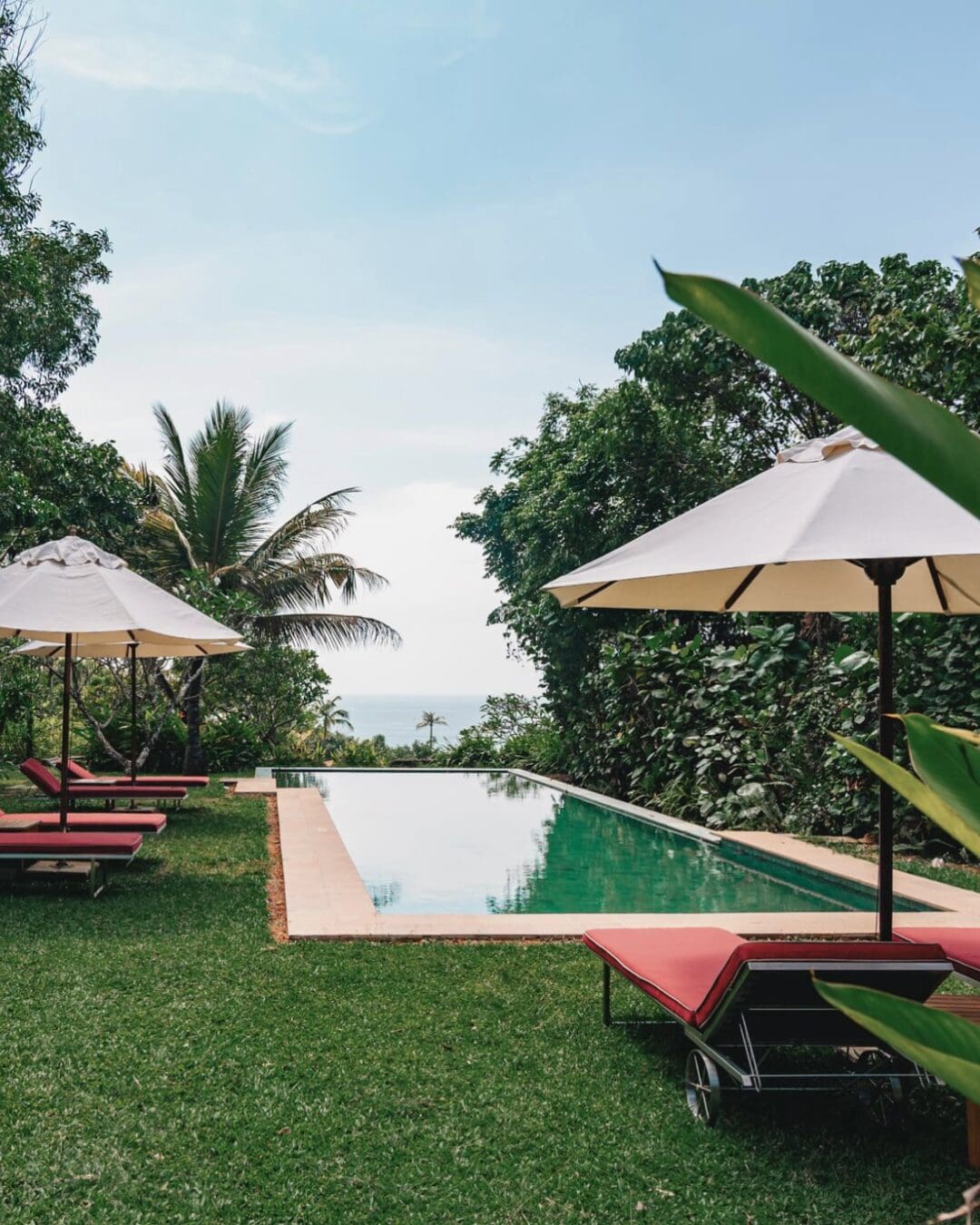
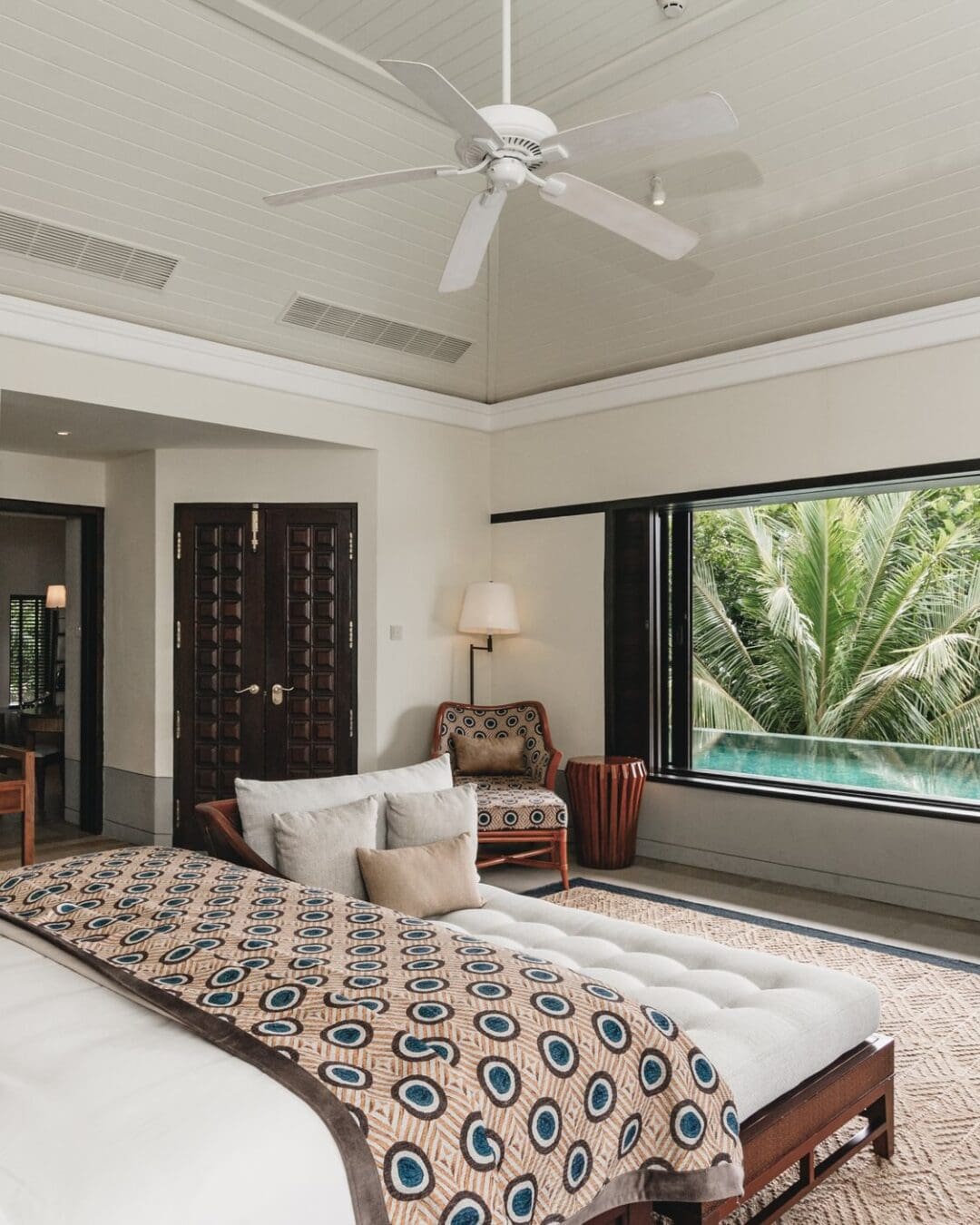
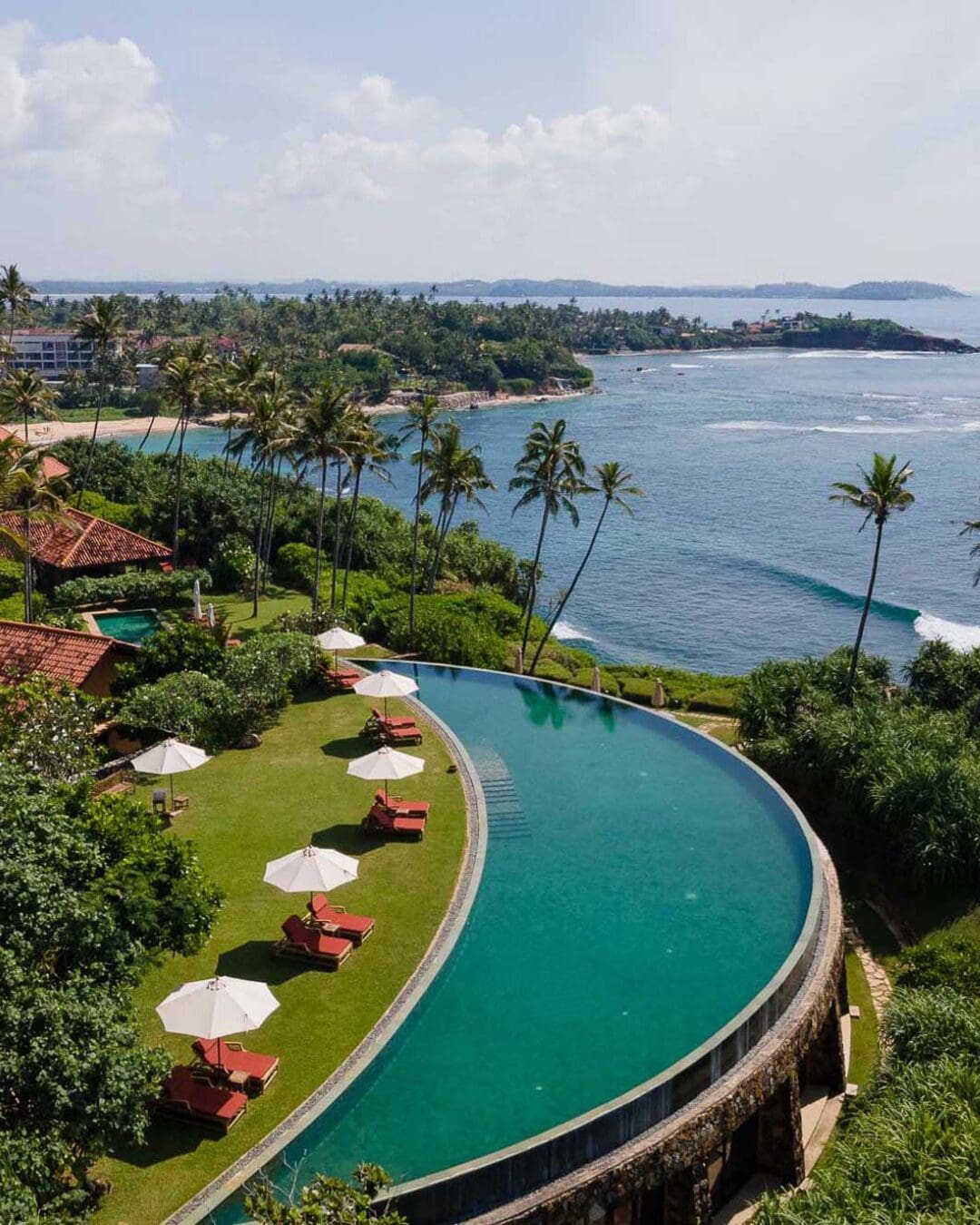
High above Sri Lanka’s southern coastline, Cape Weligama is defined by its position. The resort follows the natural curve of the headland, with villas and shared spaces spread out rather than concentrated, allowing the landscape to remain the focal point.
Sustainability here is less overt, but still present in the way the property is designed and operated. Buildings are positioned to maximise airflow and light, reducing reliance on artificial cooling, while local materials and craftsmanship play a consistent role throughout. There’s also a clear connection to the surrounding community, particularly through sourcing and employment, which helps anchor the experience in its setting.
What we like is the sense of balance. It delivers the comfort and scale expected of a resort like this, but without feeling overly imposed on the land. The coastline still feels raw in places, and the views are left largely uninterrupted.
Soneva Fushi
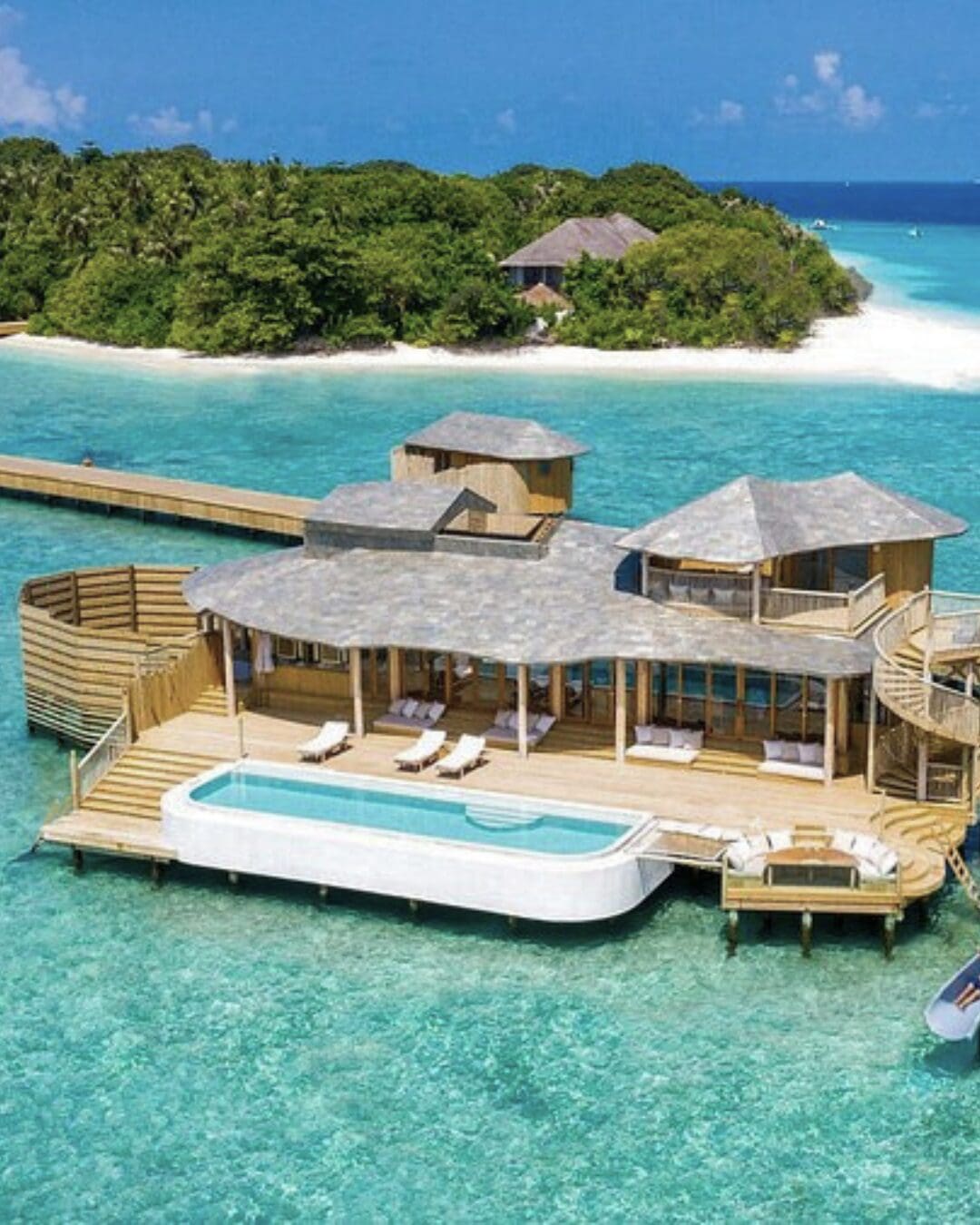
Within the Baa Atoll UNESCO Biosphere Reserve, Soneva Fushi is often held up as a benchmark for sustainable luxury. It’s one of the few places where the environmental effort feels as developed as the guest experience.
What stands out is the level of infrastructure behind the scenes. The resort operates its own waste-to-wealth centre, managing recycling and repurposing on site, alongside water bottling, energy systems, and a broader push to reduce reliance on imports.
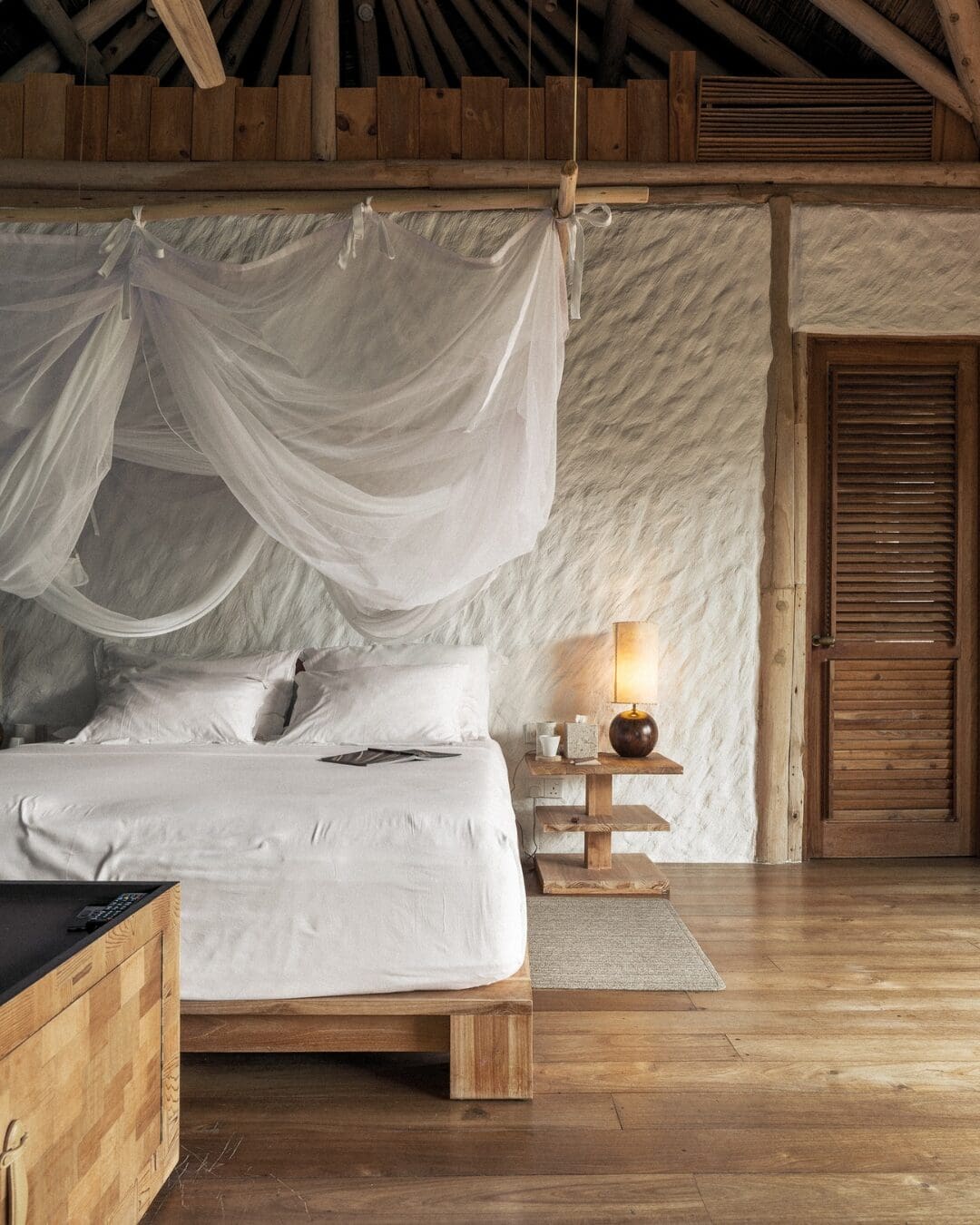
The villas are designed with that same mindset. Built from natural and reclaimed materials, they’re intentionally low-rise and tucked into dense vegetation, keeping the island’s character intact. Nothing feels overly polished, which is part of the point.
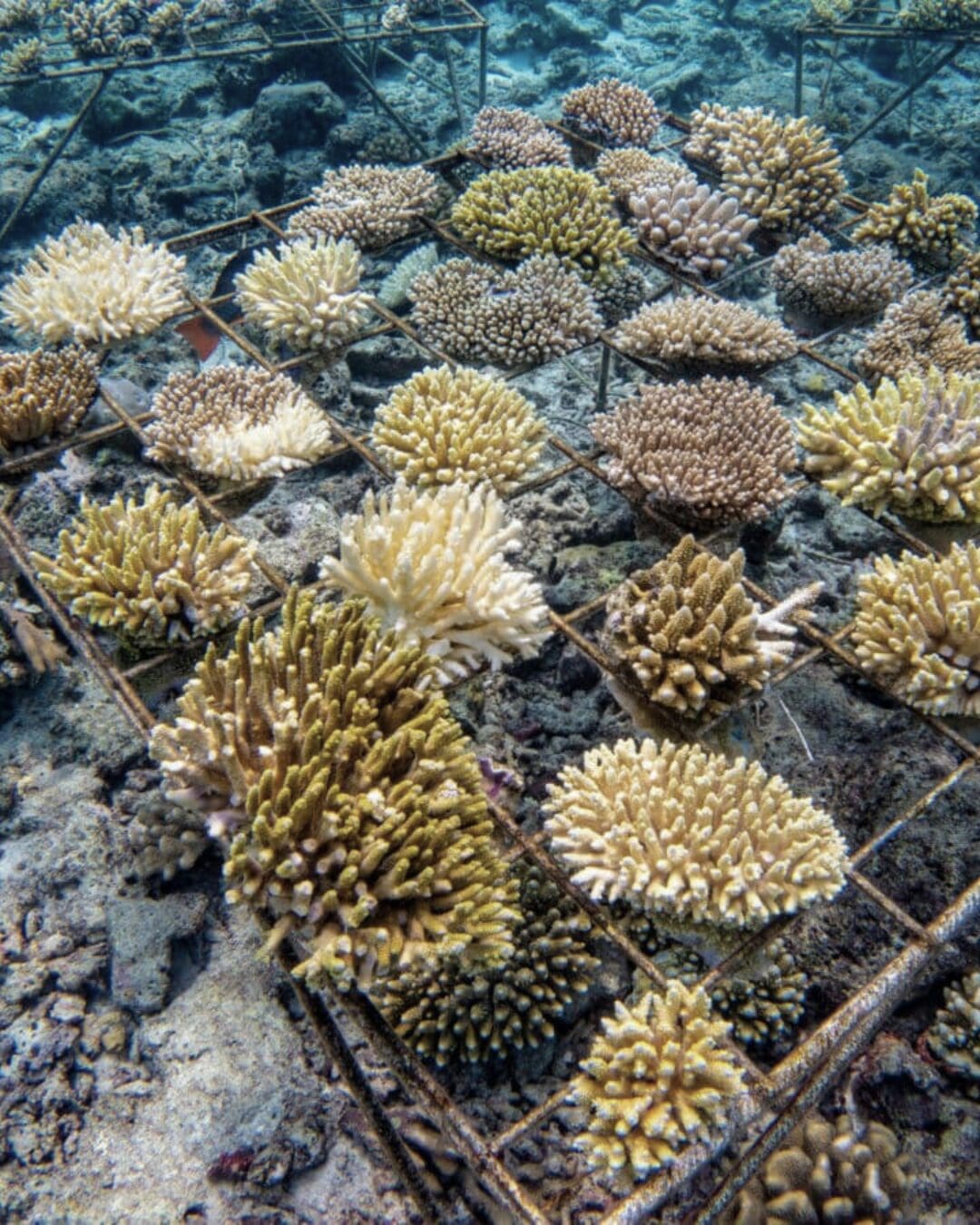
There’s also a strong emphasis on marine conservation, with ongoing work to protect the surrounding reef and wider ecosystem. Days here tend to revolve around the water – snorkelling with manta rays in the biosphere reserve, diving further out into deeper channels, or heading out at dusk with the resort’s marine team. Back on land, it’s just as considered, from open-air cinemas and observatory sessions to slower moments spent cycling through the island’s forest paths.
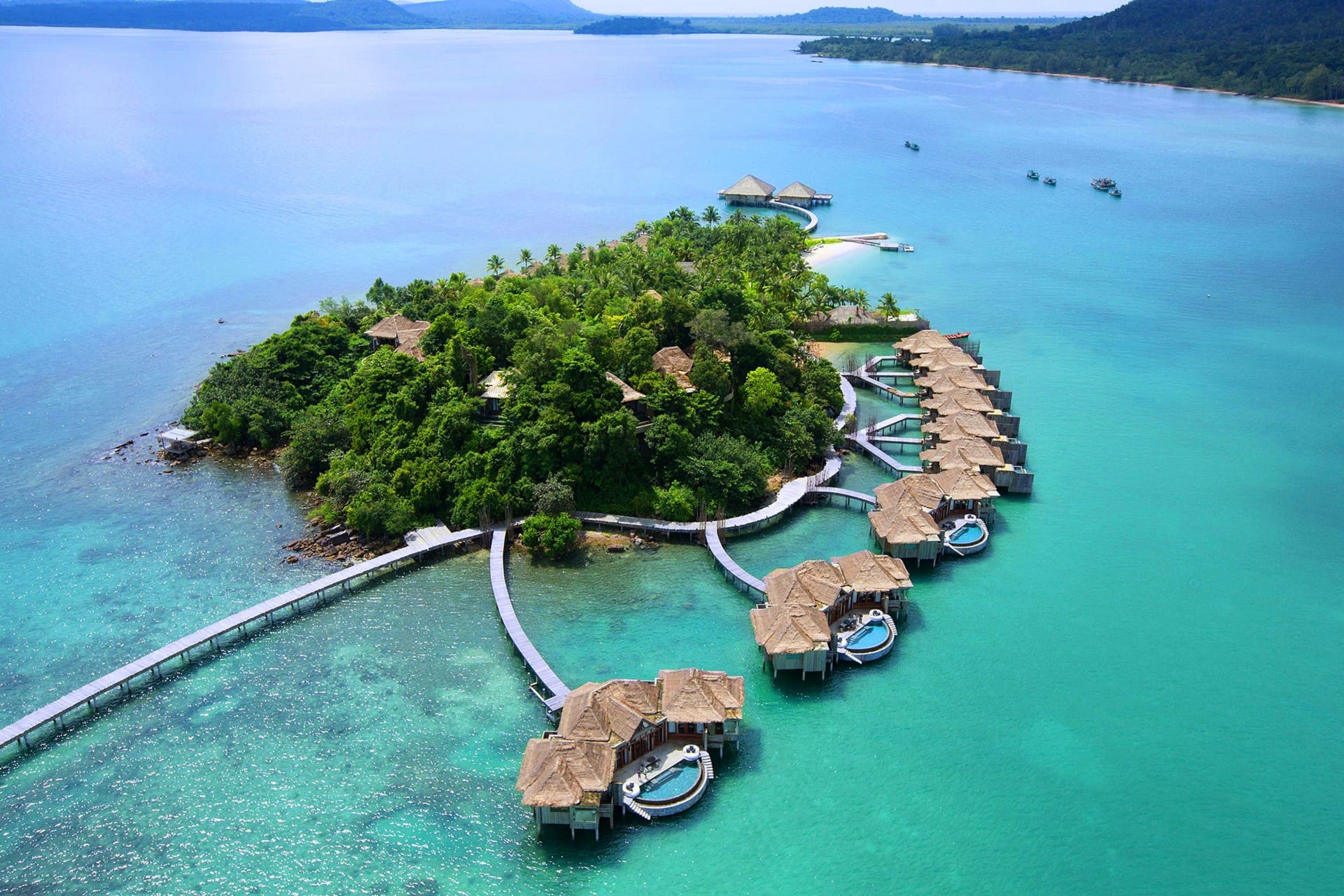
Song Saa Private Island, Cambodia
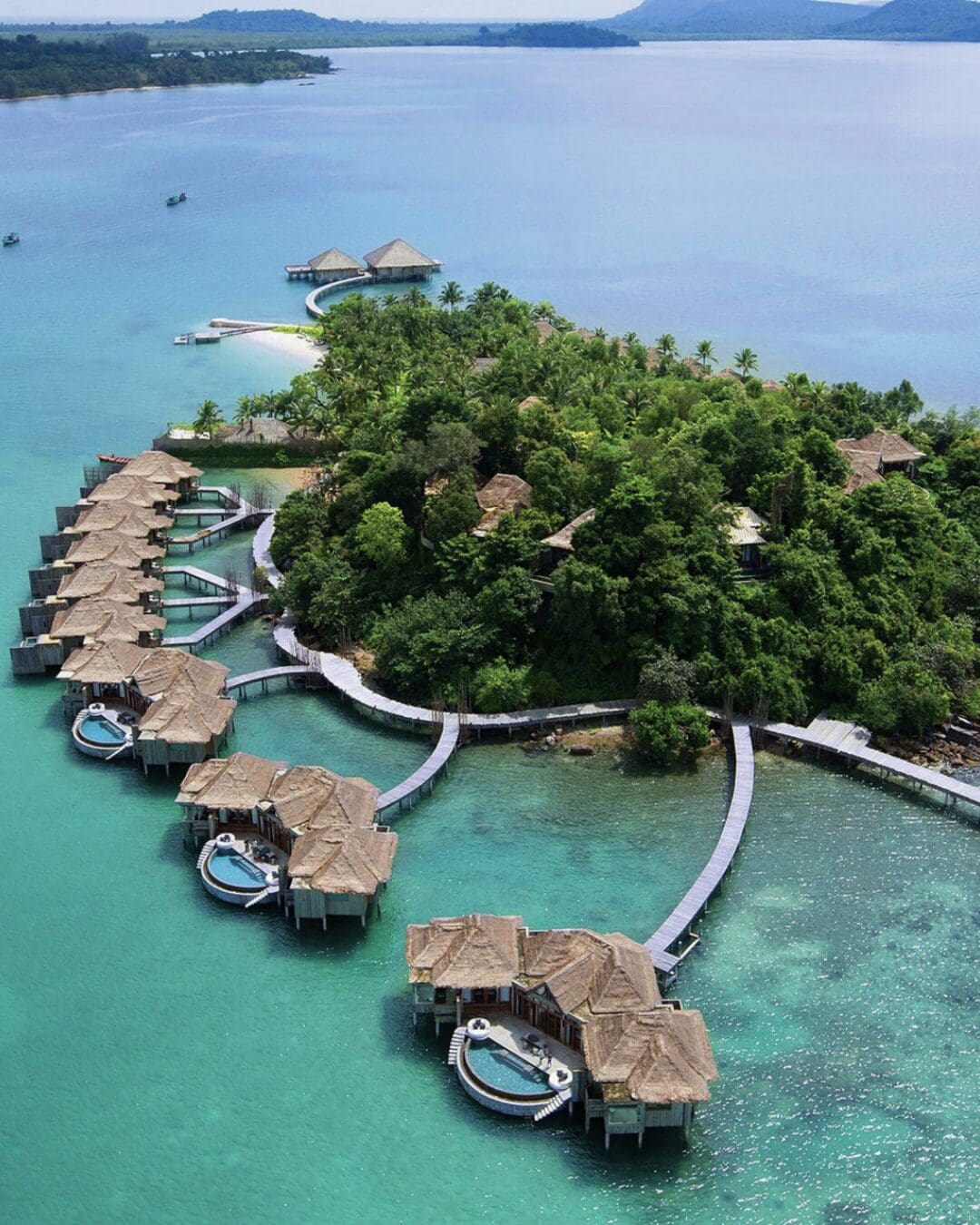
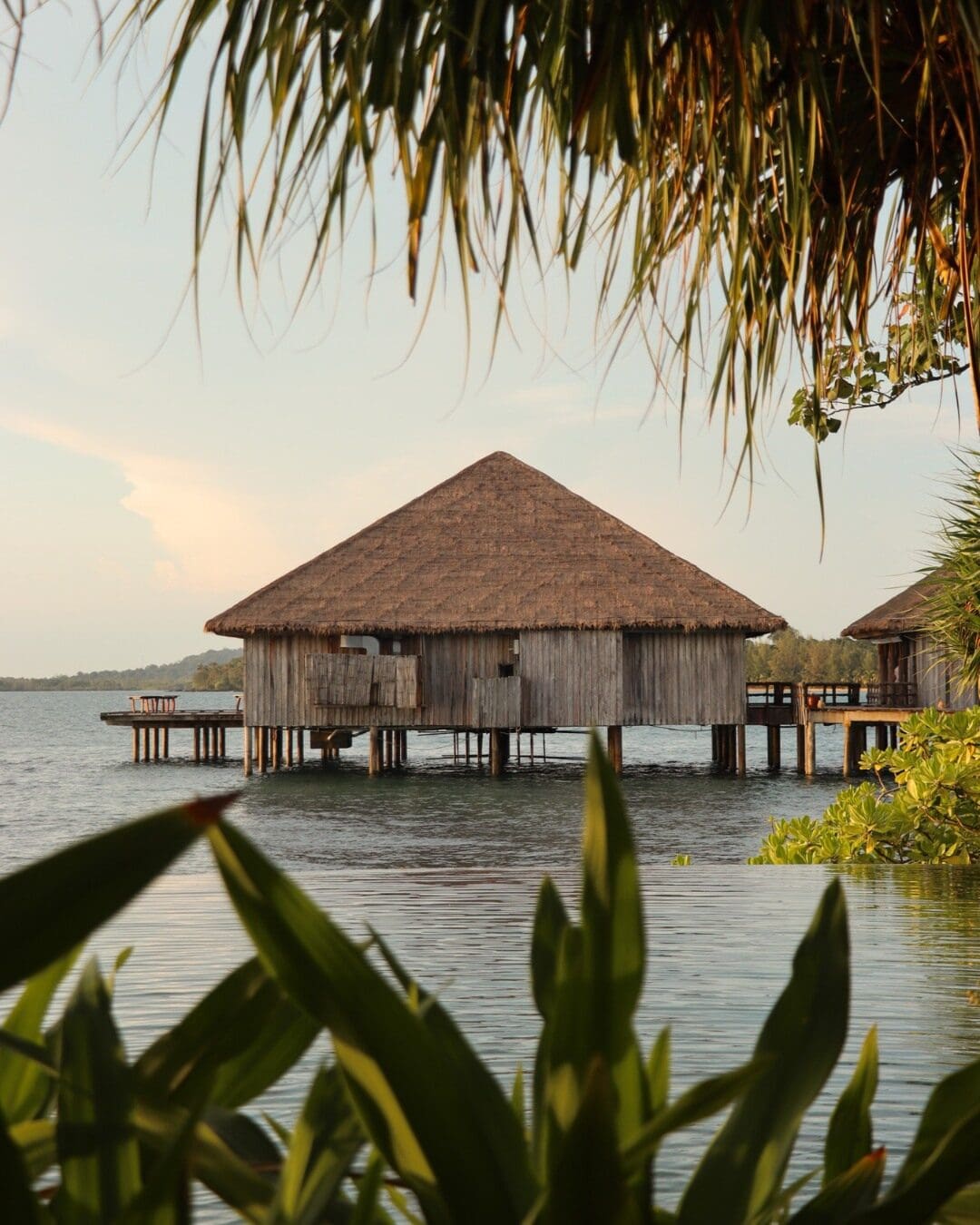
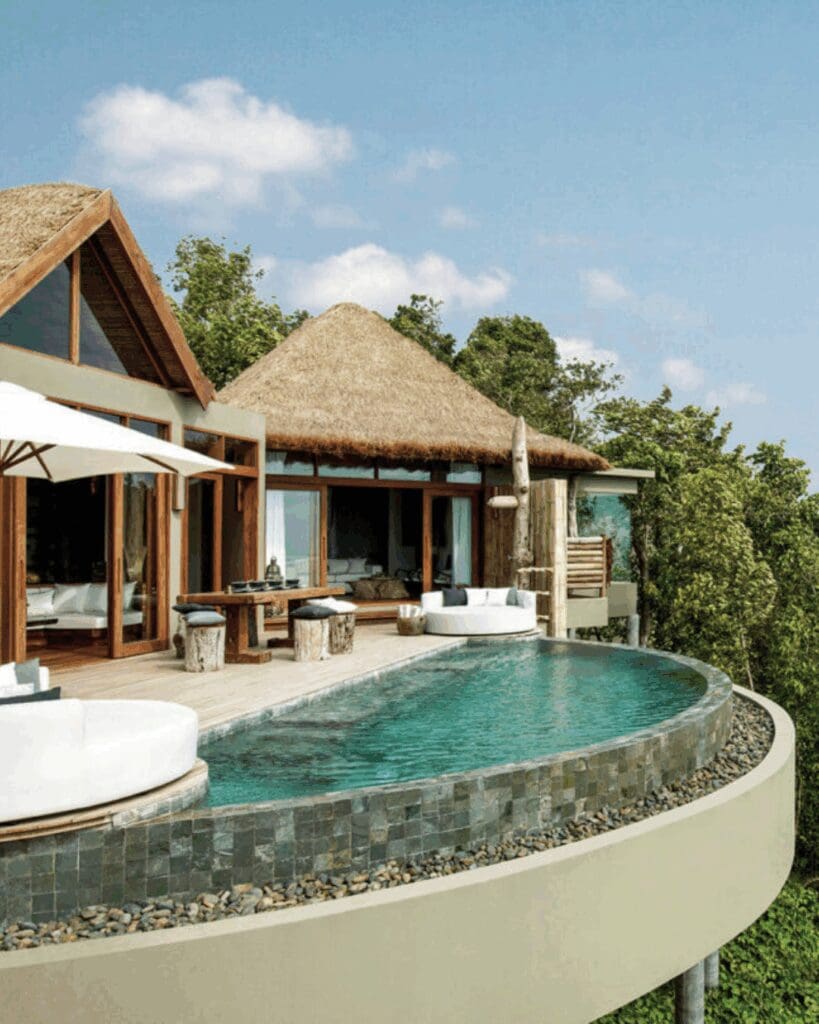
Set across two islands in Cambodia’s Koh Rong Archipelago, Song Saa feels quietly removed from everything else. Villas sit either over the water or tucked into the jungle, built from reclaimed timber and natural materials, with open decks, private pools, and a constant backdrop of sea and forest.
What sits behind it is more considered than most. The resort played a role in establishing the area’s first marine protected zone, and conservation work continues through its foundation – from reef restoration and mangrove protection to supporting local fishing communities and reducing plastic waste across the surrounding islands. It’s not something that’s pushed while you’re there, but it shapes how the place operates.
There’s also a strong connection to the local community. Around 95% of the team is Cambodian, with ongoing investment in education, training, and local initiatives. That extends well beyond the resort itself, with staff contributing thousands of hours each year to projects across the archipelago.
Days are naturally unstructured. Snorkelling straight from your villa, boat trips between nearby islands, or heading out with the marine team to explore the reef. Back on land, it’s slower – long lunches over the water, time at the spa, or just settling into the rhythm of the place.
Islas Secas, Panama
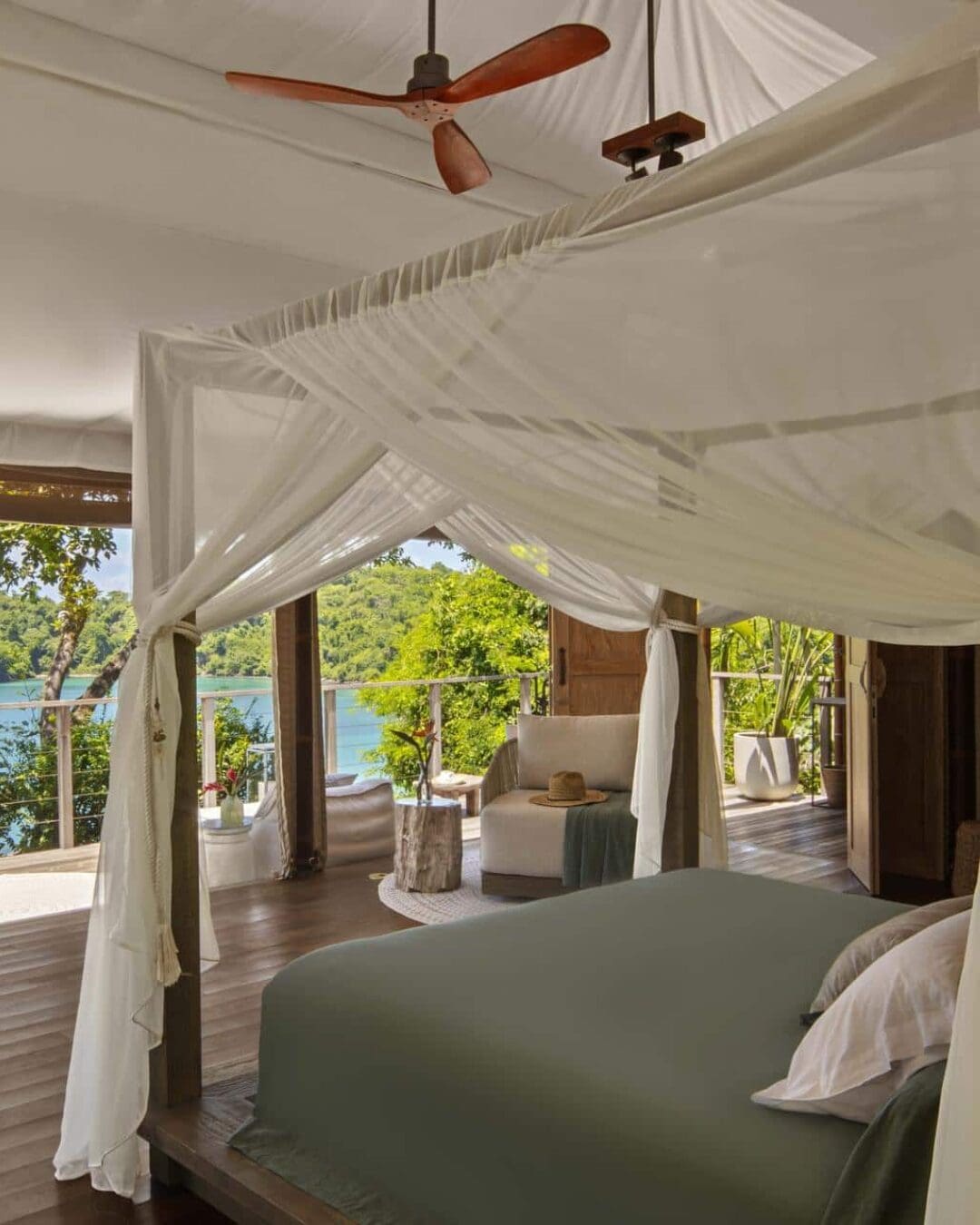
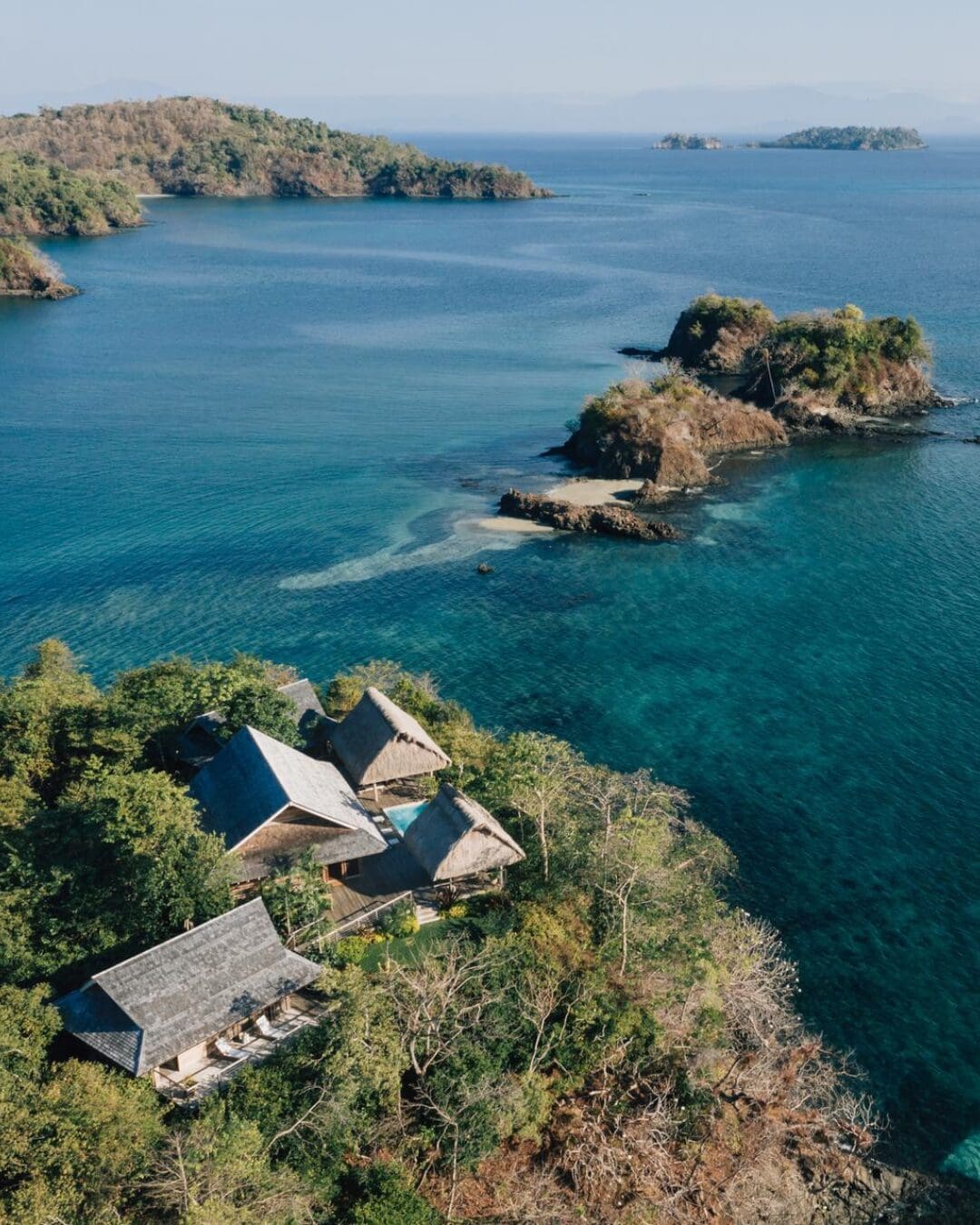
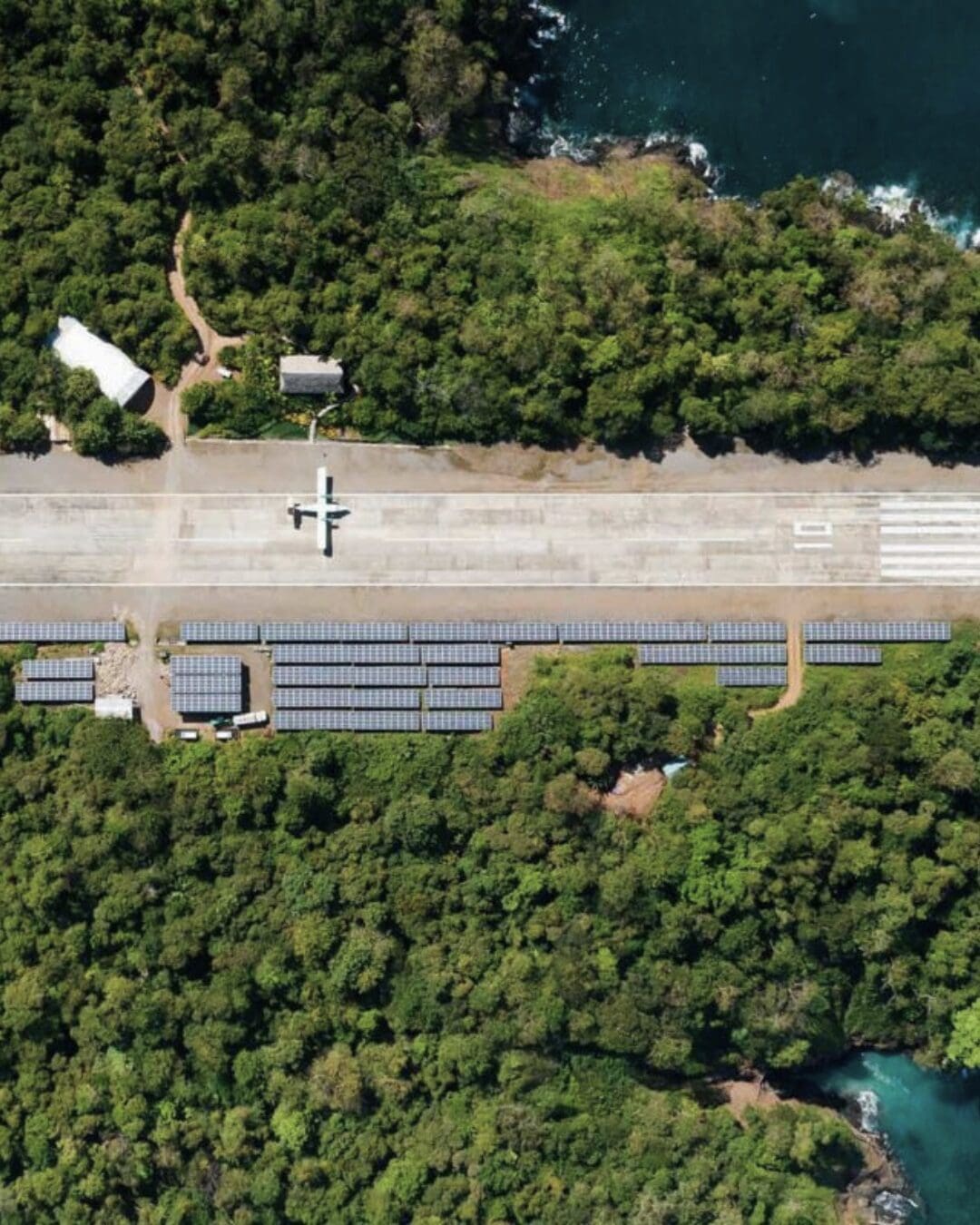
Scattered across a private archipelago off Panama’s Pacific coast, Islas Secas is the kind of place that feels genuinely off-grid. Fourteen islands, mostly untouched, with just a handful of villas carefully positioned within the landscape – and its own private airstrip, which gives a sense of how remote it really is.
Sustainability is built into how the place runs. The entire resort is powered by solar energy, freshwater is harvested and reused on site, and the surrounding marine reserve is actively protected. It’s something you notice quickly once you’re in the water – dolphins passing through, manta rays gliding beneath, and fishing limited to strict catch-and-release.
Days are shaped by that setting. Snorkelling straight from the beach, boat trips between islands, or exploring the wider reserve with guides who know it well. Back on land, it’s slower – villas open to the elements, natural materials throughout, and wide terraces designed for doing very little at all.
It’s remote in the best sense – somewhere to properly switch off, with a clear sense that what surrounds it is being carefully preserved.
Earth Day is a good prompt, but for us this is really about knowing which places are doing things properly, and being able to point you in the right direction.
We spend a lot of time understanding these hotels and the destinations around them – how they’re run, what actually makes them worth the journey, and which ones genuinely deliver once you’re there.
If you’re looking to experience this kind of travel, we can help shape it in a way that feels considered from start to finish – whether that’s building a wider itinerary around one of these eco-friendly hotels, or narrowing down options for a special occasion.
For enquiries, fill out our contact form, and we’ll be in touch to arrange a consultation.


